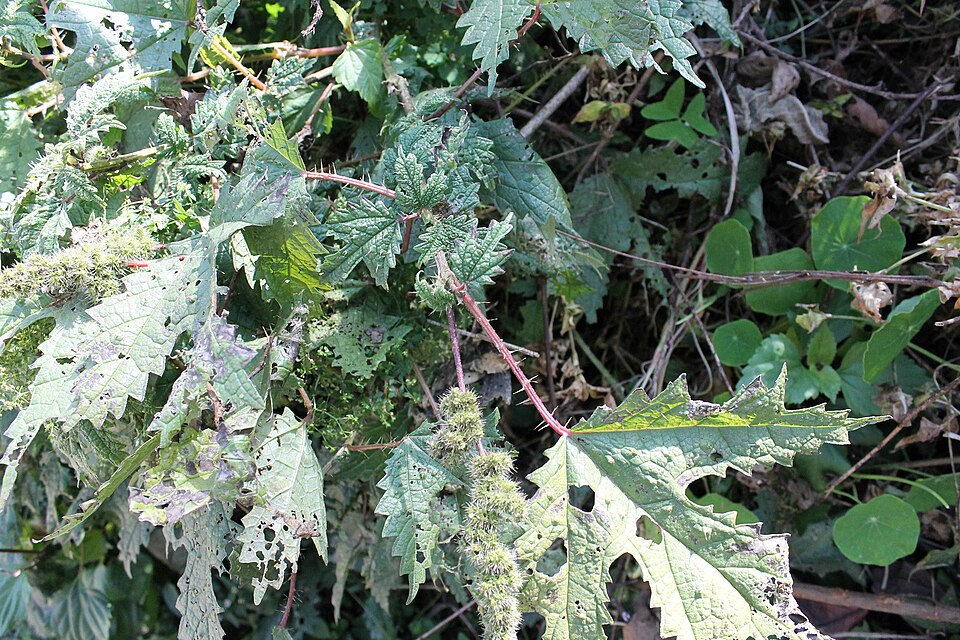
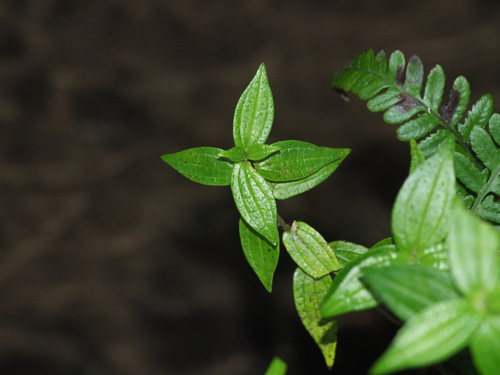
Urera cameroonensis
Wedd.
Urticaceae Edible: Leaves, Stem - water
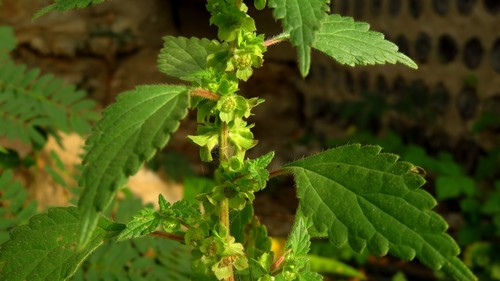
iNaturalist· cc-by-nc
(c) Sharon Louw, some rights reserved (CC BY-NC)
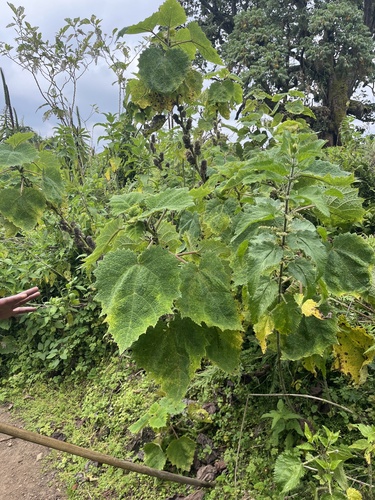
iNaturalist· cc-by-nc
(c) altagray, some rights reserved (CC BY-NC)
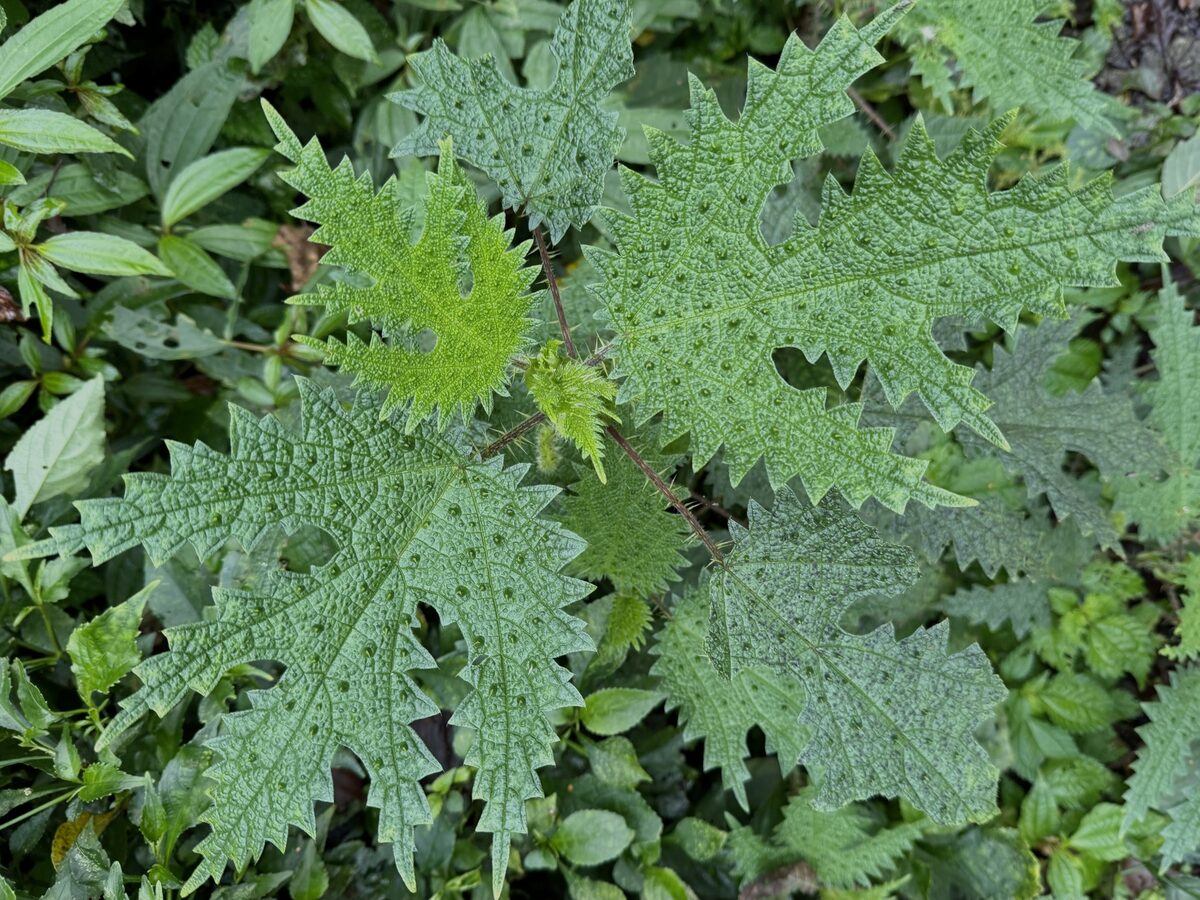
iNaturalist· cc-by-nc
(c) graham_g, some rights reserved (CC BY-NC)
Description
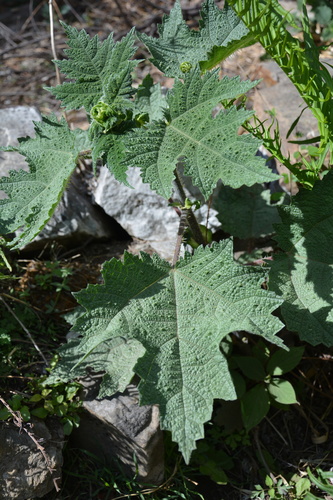
A woody climber. The leaves are alternate and narrowly oval. They are 17 cm long by 8 cm wide. The leaf stalks are 6 cm long.
This description is brief — help expand it
Edible Uses
The leaves and stem water are eaten; traditionally the leaves are cooked together with Indian spinach (Basella alba).
Traditional Uses
It is cooked with Indian spinach (Basella alba).
This uses section is brief — help expand it
Distribution
It is a tropical plant.
Where It Grows
Africa, Central Africa, Congo DR, East Africa,
Synonyms
Urera woodii N. E. Br.
Also Known As
Musamba, Musambasamba, Rusa, Teka
References (4)
- Terashima, H., et al, 1991, Ethnobotany of the Lega in the tropical rainforest of eastern Zaire: part 1, Zone de Mwenga. African Study Monographs. Suppl. 15:1-61
- Terashima, H., et al, 1992, Ethnobotany of the Lega in the Tropical Rainforest of Eastern Zaire (Congo): Part Two, Zone de Walikale, African Study Monographs, Suppl. 19:1-60
- Terashima, H., & Ichikawa, M., 2003, A comparative ethnobotany of the Mbuti and Efe hunter-gatherers in the Ituri Forest, Democratic Republic of Congo. African Study Monographs, 24 (1, 2): 1-168, March 2003
- von Katja Rembold, 2011, Conservation status of the vascular plants in East African rain forests. Dissertation Universitat Koblenz-Landau p 185