Hirtella hebeclada
Moric. ex DC.
Guapuata
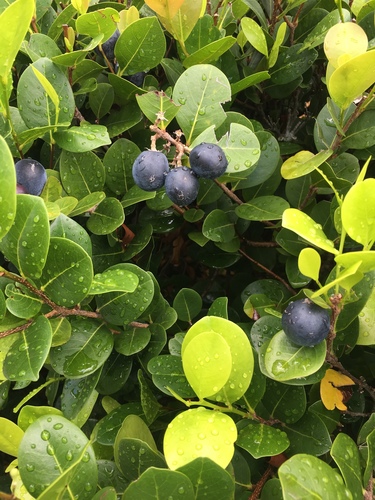
iNaturalist· cc-by-nc
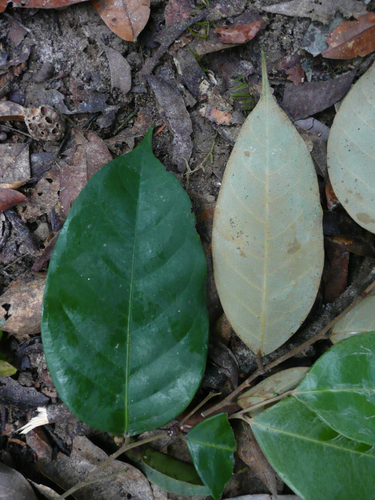
(c) Pedro Cavalcante, some rights reserved (CC BY-NC), uploaded by Pedro Cavalcante
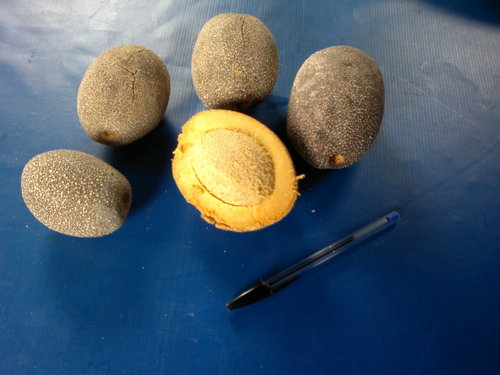
iNaturalist· cc-by-nc
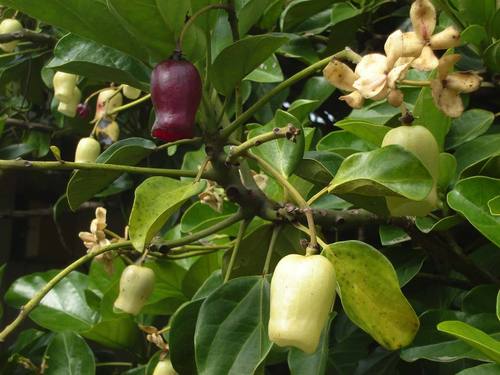
(c) Guilherme Willrich, some rights reserved (CC BY-NC), uploaded by Guilherme Willrich
iNaturalist· cc-by
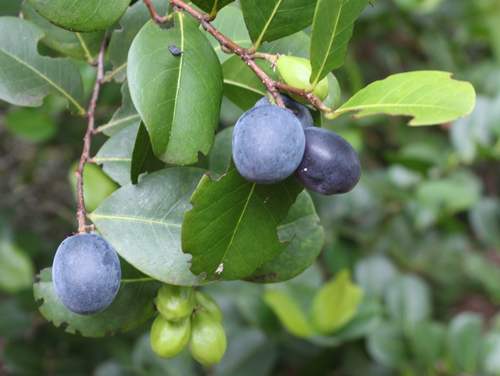
(c) Fabrício Mil Homens Riella, some rights reserved (CC BY), uploaded by Fabrício Mil Homens Riella
Description
A tropical tree in the Chrysobalanaceae family that grows 5–15 m tall.
This description is brief — help expand it
Edible Uses
The fruit is edible.
Distribution
It is a tropical plant.
Where It Grows
Brazil*, South America,
Cultivation
Succeeds in full sun and in dappled shade, preferring a well-drained soil. Plants can flower throughout the year.
Propagation
Seed - best sown as soon as it is ripe in a partially shaded position in individual containers. A low germination rate can be expected, with the seed sprouting within 20 - 30 days. The seed has a viability of less than 6 months.
Other Uses
The sapwood and heartwood are not clearly demarcated. The wood is medium to thick textured; moderately heavy; hard; of low resistance to wood eating organisms. It has a good resistance to the attacks of marine borers and is used for purposes such as marine stakes and in general and naval construction. The plant is grown in nurseries and widely planted in reforestation projects and is also planted to aid in the recovery of degraded areas.
Synonyms
Also Known As
Cinzeiro, Guapuata
References (2)
- Brack, P., et al, 2020, Frutas nativas do Rio Grande do Sul, Brasil: riqueza e potencial alimentício. Native fruits of Rio Grande do Sul, Brazil: richness and potential as food. Rodriguésia 71: e03102018.
- www.colecionandofrutas.org