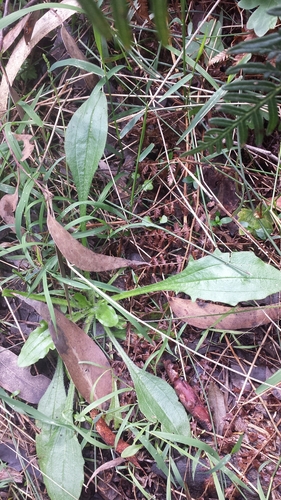
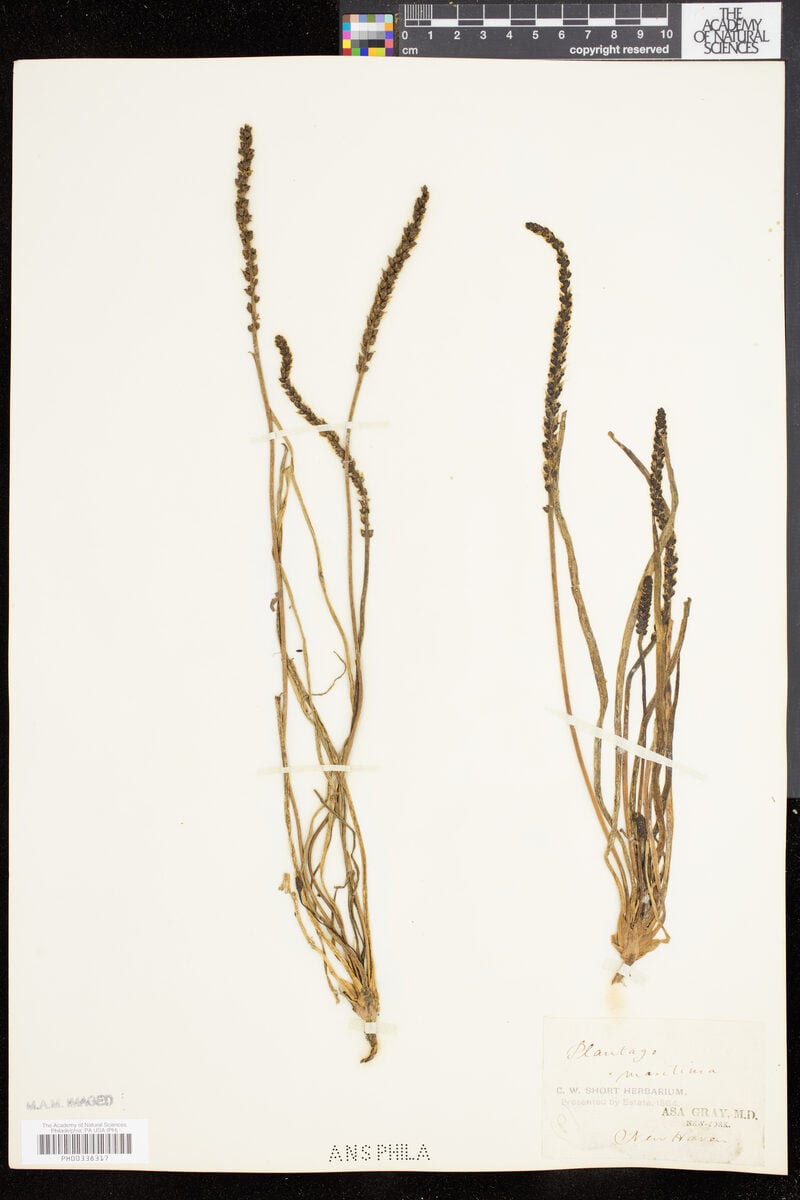
Veronica polita
Fr.
iNaturalist· cc-by-nc
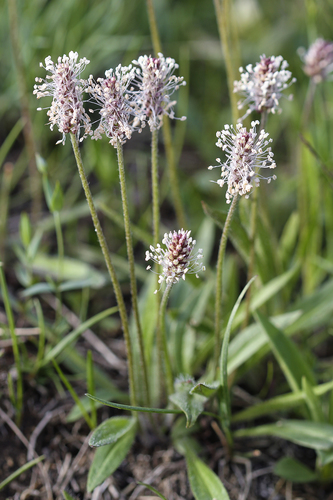
(c) Matthieu Gauvain, some rights reserved (CC BY-NC), uploaded by Matthieu Gauvain
iNaturalist· cc-by-nc
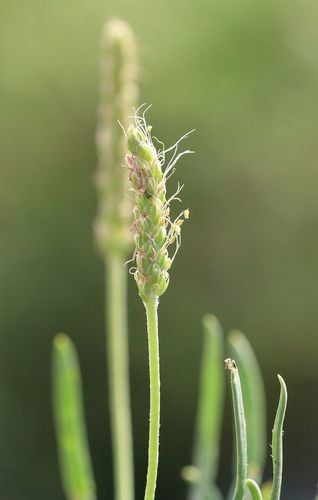
(c) Matthieu Gauvain, some rights reserved (CC BY-NC), uploaded by Matthieu Gauvain
iNaturalist· cc-by
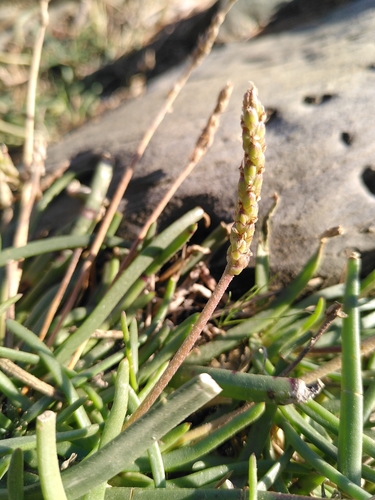
(c) Robert Flogaus-Faust, some rights reserved (CC BY)
Summary
Source: WikipediaVeronica polita, the grey field-speedwell is a species of flowering plant in the Plantaginaceae (Plantain) family. It is native to Europe, southwestern Asia, North Africa, the Arabian Peninsula and a few nearby countries, and has been introduced to many countries worldwide particularly as a weed of cultivation.
Description
An annual herb growing to 0.3 m tall, flowering March to October. Hermaphroditic and insect-pollinated, self-fertile. Tolerates light sandy, medium loamy, and heavy clay soils with good drainage. Grows in mildly acidic to mildly alkaline soil. Requires full sun and prefers moist soil.
Edible Uses
Young leaves and stems can be eaten raw or cooked. They have a sweet flavour.
Medicinal Uses
A decoction of the plant is used in the treatment of dysmenorrhoea and metrorrhagia.
Distribution
It is a temperate plant.
Where It Grows
Asia, Central Asia, Europe, Korea, Luxembourg, Pakistan, Tajikistan, Turkey, Türkiye,
Cultivation
We have very little information on this species and do not know how hardy it is in Britain, but judging by its native range it should be possible to grow it as a half-hardy annual, and could perhaps also be autumn sown to overwinter. The following notes are based on the general needs of the genus. Easily grown in a moderately fertile moisture retentive well drained soil. Prefers cool summers.
Propagation
Sow seed in spring directly in situ. An autumn sowing may also succeed.
Other Uses
None known.
Notes
Also put in the family Scrophulariaceae.
Synonyms
Also Known As
Mavisot
References (2)
- Ertug, F, Yenen Bitkiler. Resimli Türkiye Florası -I- Flora of Turkey - Ethnobotany supplement
- Hanif, U., et al, 2013, Ethnobotanical studies on some wild plants of head Qadirabad and adjoining areas, Pakistan. International Journal of Phytomedicine 5:373-377