Paspalum distichum
L.
iNaturalist· cc-by-nc
(c) Sadie Hickey, some rights reserved (CC BY-NC), uploaded by Sadie Hickey
iNaturalist· cc-by-nc
(c) Věra Kafková, some rights reserved (CC BY-NC)
Summary
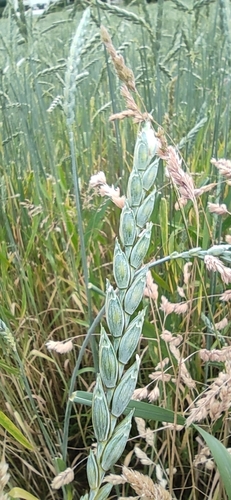
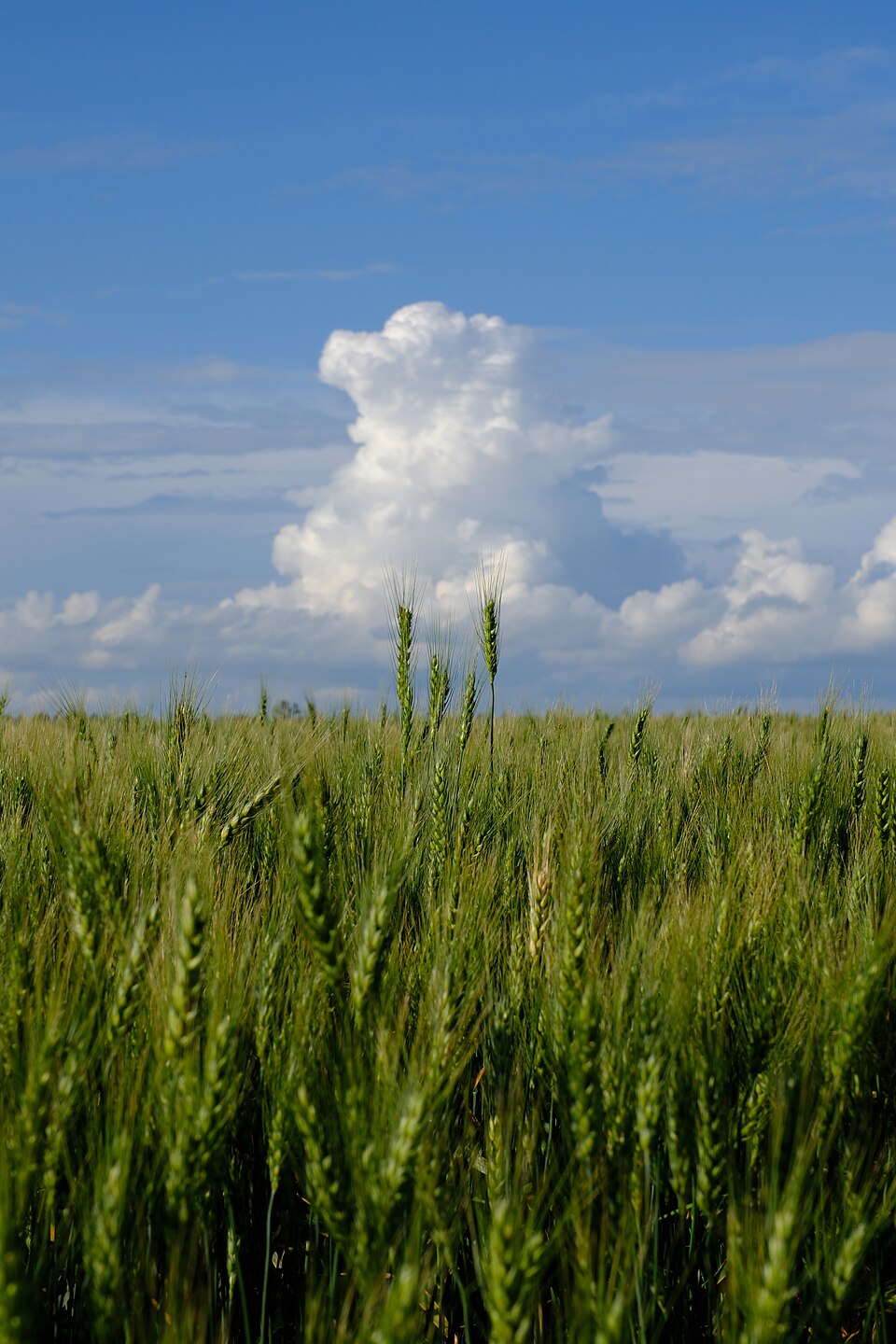
Source: WikipediaPaspalum distichum is a species of grass. Common names include knotgrass, water finger-grass, couch paspalum, eternity grass, gingergrass, and Thompson grass. Its native range is obscure because it has long been present on most continents, and in most areas it is certainly an introduced species. Its native range probably includes parts of the tropical Americas. This is a perennial grass forming clumps and spreading via rhizomes and stolons. It grows decumbent or erect to a maximum height near 60 centimeters. The inflorescence is usually divided into two branches lined with spikelets. Paspalum distichum is a food source for several avian species, including the long-tailed widowbird.
Description
A grass. It keeps growing from year to year. It has underground stems or rhizomes and also runners.
This description is brief — help expand it
Distribution
It is a tropical plant.
Where It Grows
Africa, Asia, Brazil, Central America, Central Asia, Chile, China, Costa Rica, Nicaragua, South Africa, Tajikistan,
Cultivation
A plant of the temperate zone to the tropics. It grows best in areas where annual daytime temperatures are within the range 20 - 30°c, but can tolerate 1 - 36°c. When dormant, the plant can survive temperatures down to about °c, but young growth can be severely damaged at °c. It prefers a mean annual rainfall in the range 600 - 750mm, but tolerates 400 - 1,200mm. Grows best in a sunny position, tolerating light shade. Succeeds in most fertile soils, tolerating high levels of salt in the soil. Succeeds in waterlogged soils and tolerates inundation by salt water. Prefers a pH in the range 5.5 - 6, tolerating 5 - 7. A common weed from the warm temperate zone to the tropics. In direct-seeded rice it is a serious weed that grows vigorously under favourable conditions. It may become a serious weed in irrigation channels.
Propagation
Seed - it shows some dormancy, which seems to require cold to break. It germinates best at 20 - 30°c.
Other Uses
Useful in erosion control on salted lands and areas reclaimed from tidal influences. A useful soil binder along stream banks and on sandy sea shores.
Notes
Probably not edible.
Synonyms
References (2)
- World Checklist of Useful Plant Species 2020. Royal Botanic Gardens, Kew
- Zeven, A. C. & de West, J. M. J., 1982, Dictionary of cultivated plants and their regions of diversity. Wageningen. p 38