Pennisetum alopecuroides
(L.) Spreng.
Chinese fountain grass, Fountain grass, Swamp foxtail
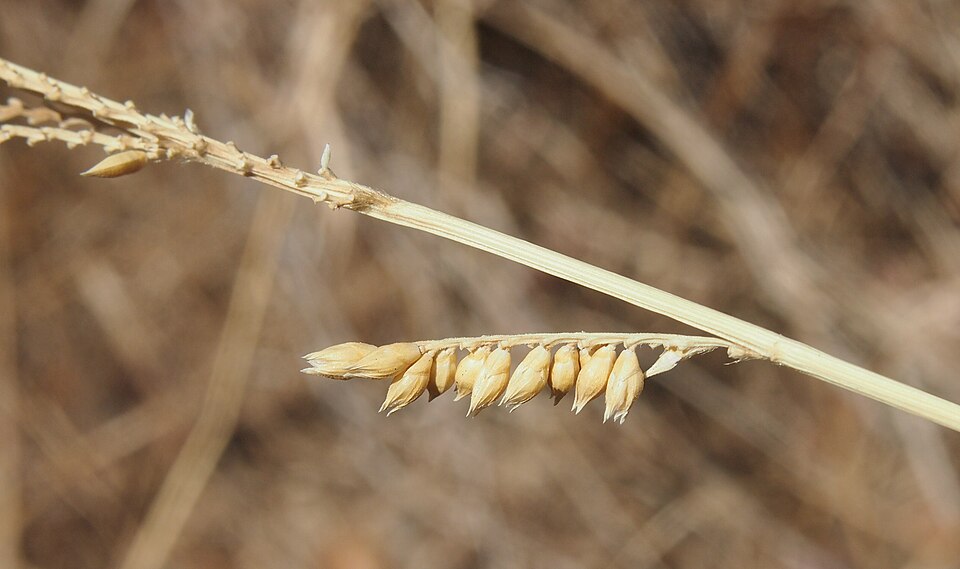
iNaturalist· cc-by-nc
(c) Molnár Ábel Péter, some rights reserved (CC BY-NC)
iNaturalist· cc-by-nc
(c) Molnár Ábel Péter, some rights reserved (CC BY-NC)
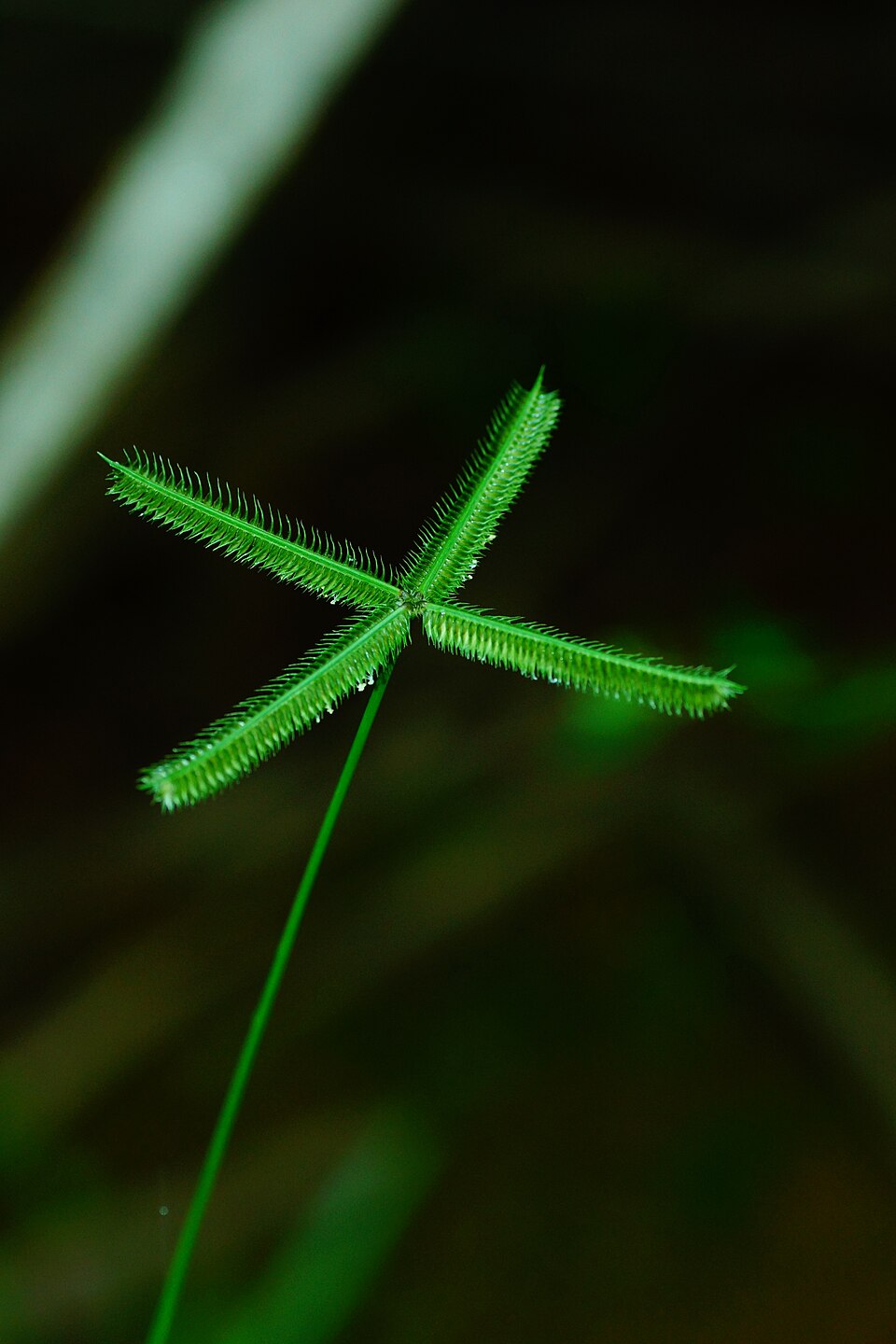
iNaturalist· cc-by-nc
(c) Molnár Ábel Péter, some rights reserved (CC BY-NC)
Summary
Deciduous perennial reaching 1.5 m tall by 0.5 m wide, growing rapidly to hardy UK zone 7. Flowers appear August to September, wind-pollinated hermaphroditic species. Thrives in light sandy or medium loamy, well-drained soils with mildly acidic to basic pH. Requires full sun, tolerates dry to moist conditions and handles drought well.
Description
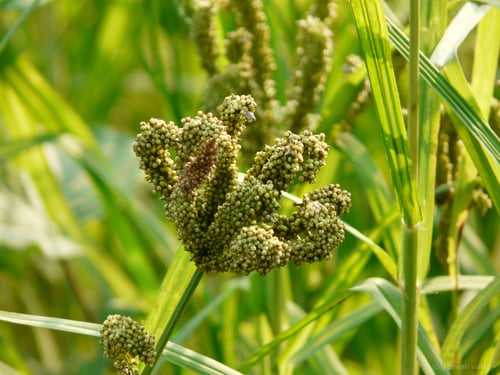
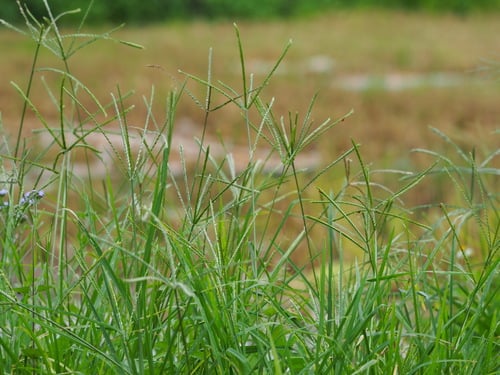
An evergreen grass. It grows 60-120 cm high and wide. It forms a clump or mound. The leaves are narrow and arching. They are 0.6-1 m long and 0.6 cm wide. They are dark green. They are hairy along the edges. The flower heads are fuzzy and purple. They are 7-20 cm long by 2-3 cm wide. They weigh down the stem tips. The flower stems are 1 m long.
Edible Uses
The seed is edible cooked and can be ground into a flour. It is considered an emergency food, used when other options are unavailable.
Traditional Uses
The grains are eaten.
This uses section is brief — help expand it
Medicinal Uses
None known
Distribution
It grows in temperate regions but can also grow in the tropics and subtropics. It needs well drained soil. It can grow in full sun or light shade. It can tolerate light frosts. In China it grows from sea level to 3200 m altitude. It suits hardiness zones 5-9. In Sichuan and Yunnan.
Where It Grows
Asia, Australia, Canada, China, India, Indochina, Indonesia, Japan, Korea, Malaysia, Myanmar, North America, Pacific, Philippines, SE Asia, Taiwan, Tibet,
Cultivation
Plants can be grown from seed or by division of the clump.
Propagation
Seed should be sown in spring in a greenhouse, barely covered. Germination usually takes place within 3 weeks. Prick seedlings out into individual pots when large enough to handle and grow on in the greenhouse through the first winter. Plant out into permanent positions in late spring or early summer, after the last expected frosts. Divide in spring; larger divisions can go directly into permanent positions, while smaller divisions are better potted up and grown on in light shade in a cold frame until well established before planting out in late spring or early summer.
Other Uses
Plants form impenetrably dense clumps and, when planted close together in drifts, make an excellent ground cover. They are best spaced about 45cm apart each way.
Other Information
They are a famine food.
Notes
There are about 100 Pennisetum species. It is used for forage.
Synonyms
Also Known As
Lang wei cao
References (8)
- Ambasta, S.P. (Ed.), 2000, The Useful Plants of India. CSIR India. p 438
- Cundall, P., (ed.), 2004, Gardening Australia: flora: the gardener's bible. ABC Books. p 1005
- Hibbert, M., 2002, The Aussie Plant Finder 2002, Florilegium. p 227
- Joyce, D., 1998, The Garden Plant Selector. Ryland, Peters and Small. p 331
- Molyneux, B. and Forrester, S., 1997, The Austraflora A-Z of Australian Plants. Reed. p 143
Show all 8 references Hide references
- Plants for a Future database, The Field, Penpol, Lostwithiel, Cornwall, PL22 0NG, UK. http://www.scs.leeds.ac.uk/pfaf/
- Slocum, P.D. & Robinson, P., 1999, Water Gardening. Water Lilies and Lotuses. Timber Press. p 129
- Syst. veg. 1:303. 1824