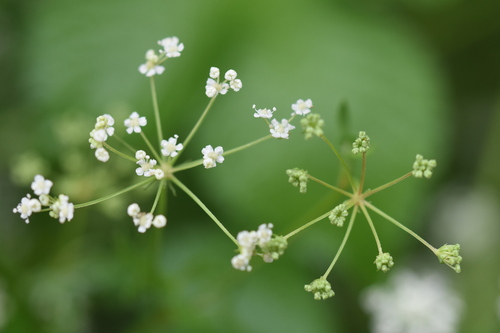
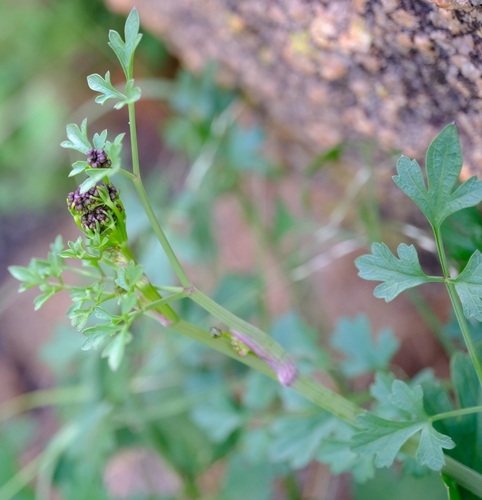
Coelopleurum lucidum
(L.) Fernald.
Bellyache Root
iNaturalist· cc-by-nc
(c) Александр Белов, some rights reserved (CC BY-NC)
iNaturalist· cc-by-nc
(c) Александр Белов, some rights reserved (CC BY-NC)
iNaturalist· cc-by-nc
(c) Александр Белов, some rights reserved (CC BY-NC)
Summary
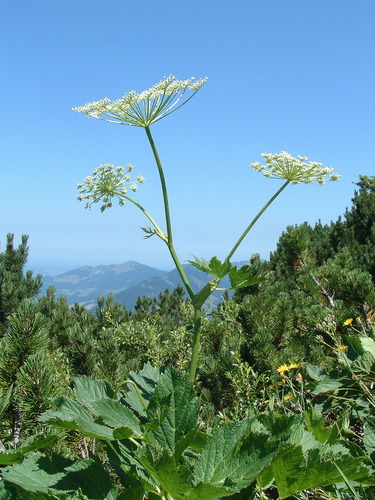
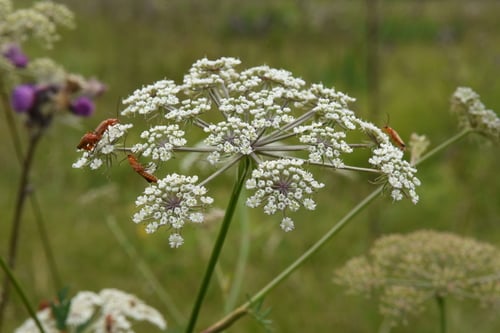
Perennial growing to 1.2 m (4ft) tall. Hermaphroditic flowers pollinated by insects and self-fertile. Grows in light sandy, medium loamy, or heavy clay soils with mildly acid to basic pH. Requires full sun, prefers moist soil, and tolerates maritime exposure.
Description
Perennial growing to 1.2 m (4ft) tall. Hermaphroditic flowers pollinated by insects and self-fertile. Grows in light sandy, medium loamy, or heavy clay soils with mildly acid to basic pH. Requires full sun, prefers moist soil, and tolerates maritime exposure.
Edible Uses
Young stems and leafstalks can be cooked or peeled and eaten raw. The seed is used as a flavouring.
Medicinal Uses
Tonic.
Distribution
It is a temperate plant.
Where It Grows
North America, Siberia, USA,
Propagation
Seed is best sown in a cold frame or in situ as soon as it is ripe, as viability is short. Seed can also be stored and sown in spring, though germination rates will be lower. Light is required for germination. Seedlings raised in pots or a seedbed should be moved to their permanent positions as soon as possible.
Other Uses
None known.
Notes
There are about 15 Coelospermum species.
References (1)
- Plants for a Future database, The Field, Penpol, Lostwithiel, Cornwall, PL22 0NG, UK. http://www.scs.leeds.ac.uk/pfaf/