Cymopterus longipes
S. Watson
Longstalk springparsley
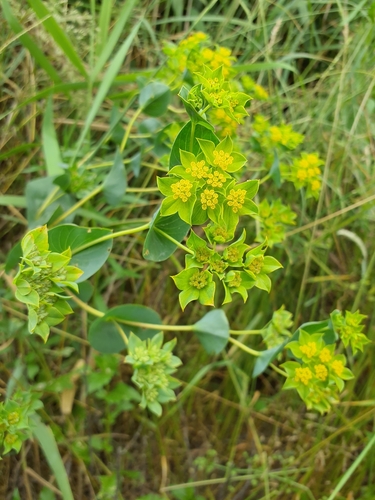
iNaturalist· cc-by
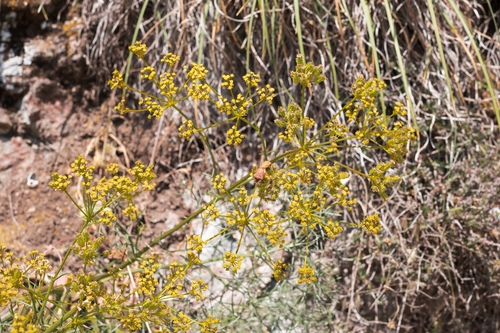
(c) Mitch Van Dyke, some rights reserved (CC BY), uploaded by Mitch Van Dyke
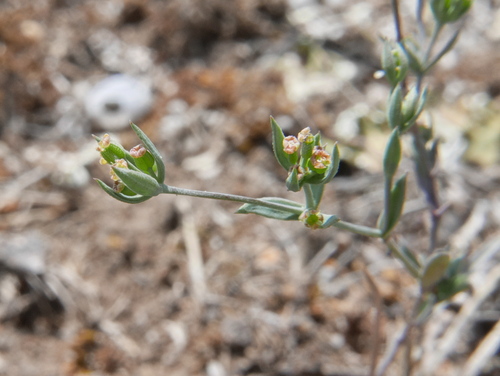
iNaturalist· cc-by-nc
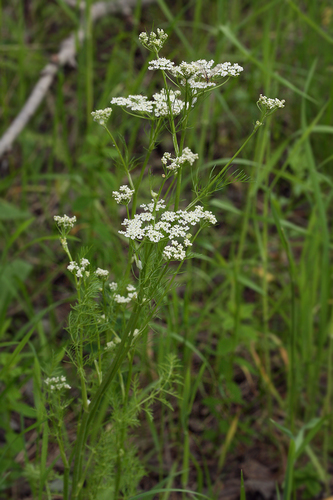
(c) Nikki Hill, some rights reserved (CC BY-NC), uploaded by Nikki Hill
iNaturalist· cc-by-nc
(c) Lane, some rights reserved (CC BY-NC), uploaded by Lane
Summary
Perennial herb growing 0.3 m tall and 0.2 m wide, hardy to UK zone 5. Hermaphrodite flowers attract wildlife. Tolerates light sandy, medium loamy, and heavy clay soils with poor nutrition. Grows in mildly acid to basic soils, in semi-shade or full sun, preferring moist conditions.
Description
Perennial herb growing 0.3 m tall and 0.2 m wide, hardy to UK zone 5. Hermaphrodite flowers attract wildlife. Tolerates light sandy, medium loamy, and heavy clay soils with poor nutrition. Grows in mildly acid to basic soils, in semi-shade or full sun, preferring moist conditions.
Edible Uses
The leaves are eaten cooked, boiled and used as greens. They can carry noticeable acridity, so blanching before further cooking is the practical default. The roots, while not explicitly rated here, follow the genus pattern of a parsnip-like flavour, though they can run chewier than the best species in the group; when mild and sweet they reward simple boiling, steaming, or sautéing. Root flavour varies between populations, so trialling a small piece first is worthwhile. Peeling skins that concentrate bitterness before cooking is recommended. Bloom timing shifts later at higher elevations. Genus-level furanocoumarin cautions apply; water-based processing is preferred if uncertain, and prolonged sun exposure after handling should be avoided by those who are sensitive.
Traditional Uses
The roots, young stems and leaves are eaten raw or cooked.
This uses section is brief — help expand it
Medicinal Uses
Traditional uses recorded for this species include wound care, with the plant used in treating skin diseases and wounds, and it holds cultural significance for Indigenous peoples including the Goshute and Ute nations. The seeds are known to contain furanocoumarins — specifically isoimperatorin and oxypeucedanin — which have shown toxicity to chicks. Some Cymopterus species, particularly C. watsonii, are associated with photosensitization causing severe reactions to sunlight.
Known Hazards
Seeds contain furanocoumarins with toxicity to livestock. Risk of photosensitization in some species. Genus-level phototoxin caution; avoid heavy sun exposure after handling if sensitive. Apiaceae misidentification risk; confirm by winged fruit form.
Distribution
It is a temperate plant.
Where It Grows
North America, USA,
Cultivation
A respectable wavywing where present, best treated as an early root resource rather than a reliable raw green. Growing Conditions. Open, well-drained soils, often sandy to gravelly, with early moisture. Habitat & Range. Centered in northern Utah and adjacent Idaho/Colorado/Wyoming areas, with forms differing in flower color. Size & Landscape Performance. Small base with prominent stalks; visually more apparent during bloom. Cultivation (Horticulture). Rare; would likely require lean soil, drainage, and cold-winter stratification for seed. Pests & Problems. Root chewiness/fiber variability; leaf acridity; grit contamination. Identification & Habit. Small perennial with basal dissected leaves and long-stalked umbels; winged fruits confirm. Pollinators. Umbels attract small bees and flies; typical for Apiaceae. Longstalk Wavywing (Cymopterus longipes). Family: Apiaceae. Genus: Cymopterus. Common names: Longstalk wavywing, longstalk spring-parsley. USDA Hardiness Zones: approximately Zones 4–8. Approximate size: often 10–30 cm tall in flower (long peduncles), typically 10–25 cm spread as a basal plant.
Propagation
Seed requires winter cold exposure; fall sowing most closely mirrors the plant's natural cycle.
Other Uses
The plant provides early-season insect forage; its umbels attract small bees and flies, as is typical of the Apiaceae family. It is a hardy component of spring flora in dry regions. Cultivation is rare and would likely require lean soil, good drainage, and cold-winter stratification for seed.
Synonyms
Also Known As
Longstalk wavywing, longstalk spring-parsley.
References (1)
- Kermath, B. M., et al, 2014, Food Plants in the Americas: A survey of the domesticated, cultivated and wild plants used for Human food in North, Central and South America and the Caribbean. On line draft. p 292