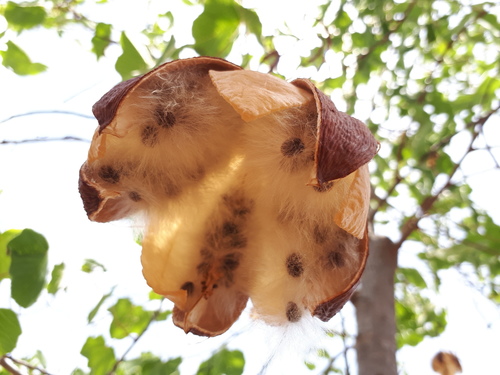
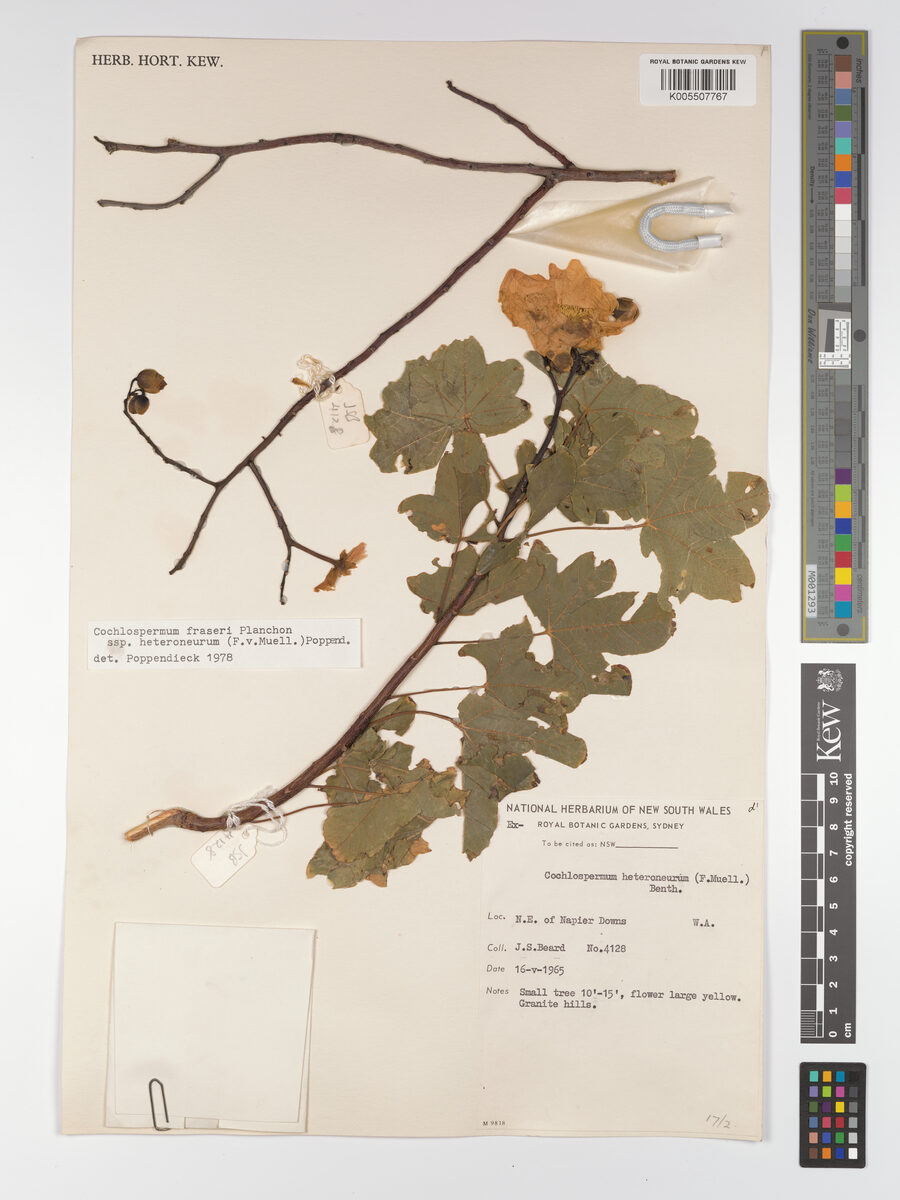
Cochlospermum tinctorium
Perr. ex A. Rich.
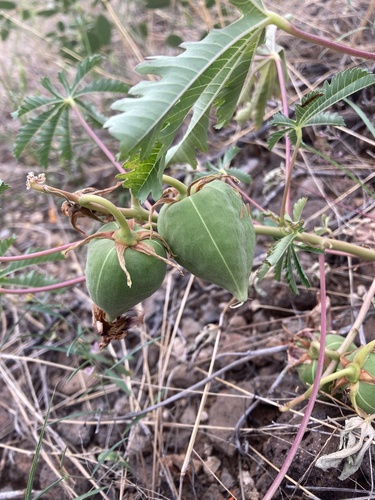
iNaturalist· cc-by-nc
(c) Zein et Carlo, some rights reserved (CC BY-NC), uploaded by Zein et Carlo
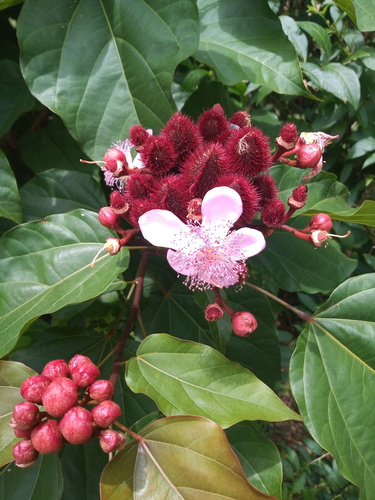
iNaturalist· cc-by-nc
(c) ong_pepiniere_d_afrique, some rights reserved (CC BY-NC)
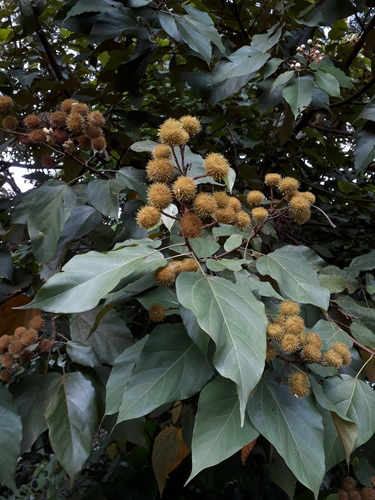
iNaturalist· cc-by-nc
(c) hermannk, some rights reserved (CC BY-NC)
Description
A small shrub. It grows 80 cm high. It has a woody underground rootstock and this produces annual shoots. The leaves are alternate and have lobes arranged like fingers on a hand. The leaves are 2-12 cm long by 2-16 cm wide. The flowers can occur in groups at ground level. They are golden yellow.
Edible Uses
The leaves and roots are eaten, and the entire immature fruit are eaten to quench thirst and are used for sauce.
Traditional Uses
The entire immature fruit are eaten to quench thirst. They are used for sauce.
This uses section is brief — help expand it
Medicinal Uses
Commonly used in traditional medicine.
Known Hazards
The leaves and shoots of Cochlospermum tinctorium are possibly toxic because it is said that cattle will not graze the plant even in times of shortage.
Distribution
A tropical plant. It can grow in arid places. It grows in the dry savannah.
Where It Grows
Africa, Benin, Burkina Faso, Cameroon, Central Africa, East Africa, Gambia, Ghana, Guinea, Guinée, Guinea-Bissau, Mali, Nigeria, Senegal, Sierra Leone, Sudan, Togo, Uganda, West Africa,
Cultivation
A plant of the tropics at low to moderate elevations, in drier areas where there is a distinct dry season.
Other Uses
A brown-yellow dye obtained from the rootstock is used for dyeing cloth (cotton), thread, mats, basketware and ornaments, and rarely also leather. The fresh or dried rootstock may be pulverized and pounded into a paste that is rubbed onto the article to be dyed; it may also be crushed, mixed with ash and boiled with the article to be dyed. Several colours can be obtained by the use of mordants (such as Striga asiatica) or by the addition of indigo. Adding lemon juice to the dye-bath improves the fastness of the dye. In Cameroon, a yellow facial mask is made from the powdered rootstock mixed with water. The floss of the fruit can be used to stuff cushions or can be spun into necklace cords. The young stem bark also yields a useful fibre. The bark makes a good rope.
Notes
There are about 20 Cochlospermum species. It is commonly used in medicine. Also put in the family Cochlospermaceae.
Also Known As
Borba, Bundola, Djandere, Djarundje, Kpadou, Mezinho-grande, N'tilibara, Tirbom
References (13)
- Achigan-Dako, E, et al (Eds), 2009, Catalogue of Traditional Vegetables in Benin. International Foundation for Science.
- Batawila, K., et al, 2007, Diversite et gestion des legumes de cueillete au Togo. African Journal of Food, Agriculture, Nutrition and Development 7( 3& 4): 65
- Bonou, A., et al, 2013, Valeur economique des Produits Forestiers Non Ligneux (PFNL) au Benin. Editions Universitaires Europeennes p 85
- Dalziel, J. M., 1937, The Useful plants of west tropical Africa. Crown Agents for the Colonies London.
- Diarra, N. et al, 2016, Etude ethnobotanique des plantes alimentaires utilisées en période de soudure dans les régions Sud du Mali. Int. J. Biol. Chem. Sci. 10(1): 184-197
Show all 13 references Hide references
- A. Guillemin et al., Fl. Seneg. tent. 1:99, t. 21. 1831
- Heywood, V.H., Brummitt, R.K., Culham, A., and Seberg, O. 2007, Flowering Plant Families of the World. Royal Botanical Gardens, Kew. p 105
- Jardin, C., 1970, List of Foods Used In Africa, FAO Nutrition Information Document Series No 2.p 68
- Martin, F.W. & Ruberte, R.M., 1979, Edible Leaves of the Tropics. Antillian College Press, Mayaguez, Puerto Rico. p 179
- Moksia, F., et al, 2019, Diversity and Socio-Economic Value of Wild Edible Plants in the Mounts Mandara Region, Cameroon. International Journal of Sciences. Vol. 8:10
- Peters, C. R., O'Brien, E. M., and Drummond, R.B., 1992, Edible Wild plants of Sub-saharan Africa. Kew. p 85
- Royal Botanic Gardens, Kew (1999). Survey of Economic Plants for Arid and Semi-Arid Lands (SEPASAL) database. Published on the Internet; http://www.rbgkew.org.uk/ceb/sepasal/internet [Accessed 10th April 2011]
- World Checklist of Useful Plant Species 2020. Royal Botanic Gardens, Kew