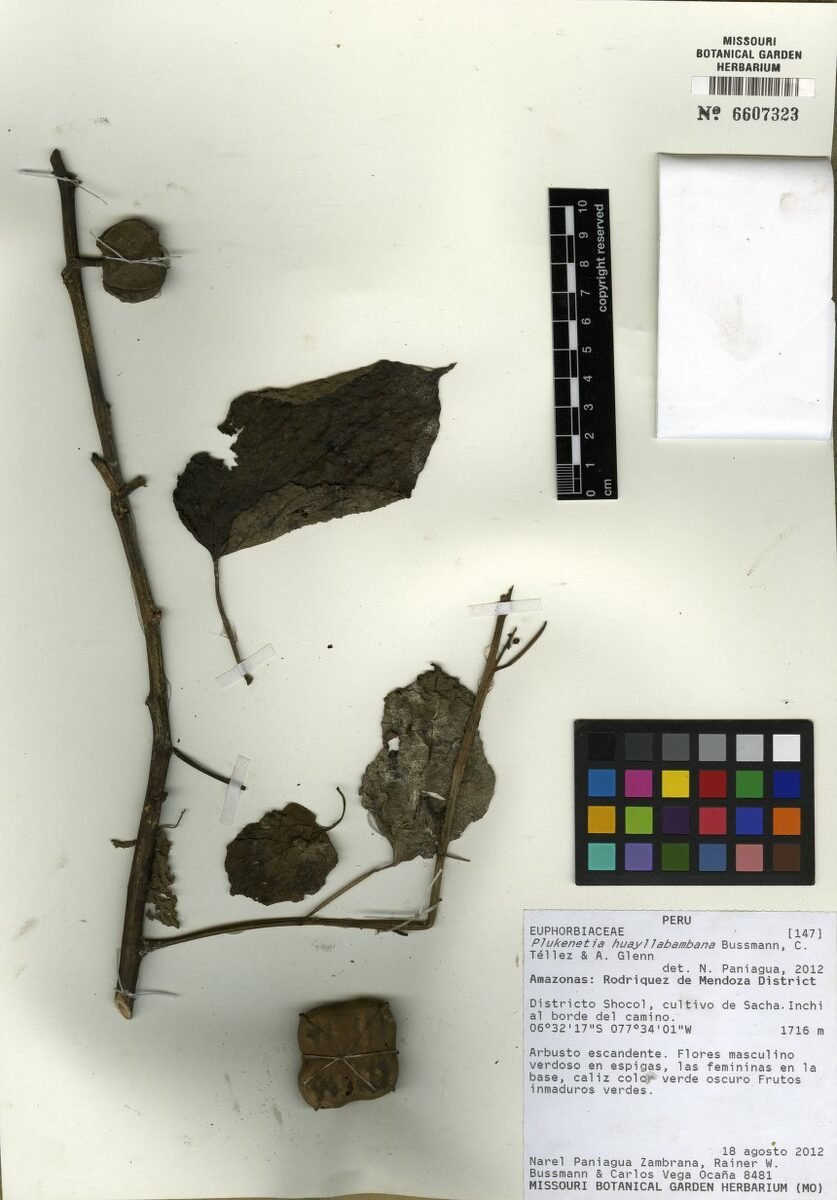
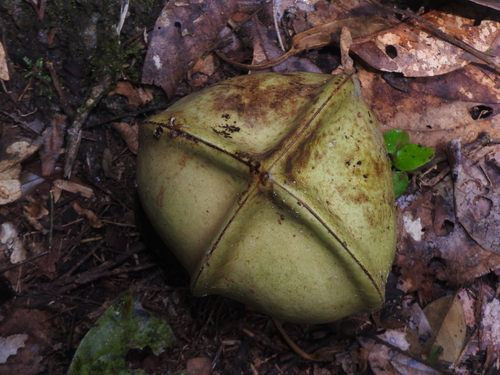
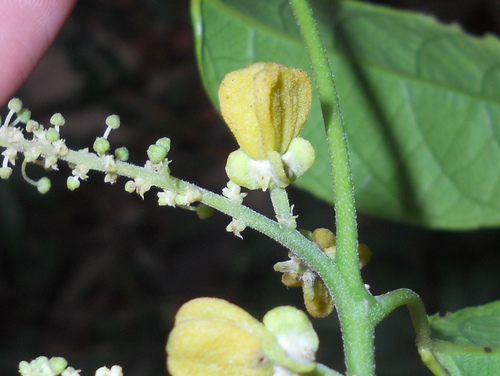
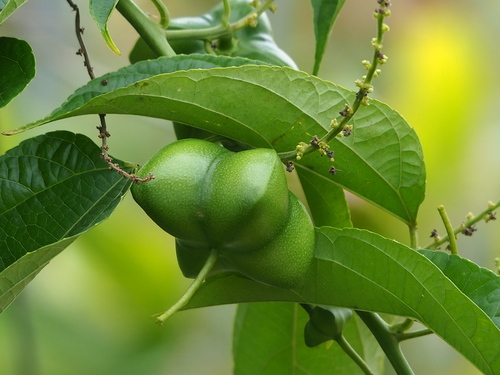
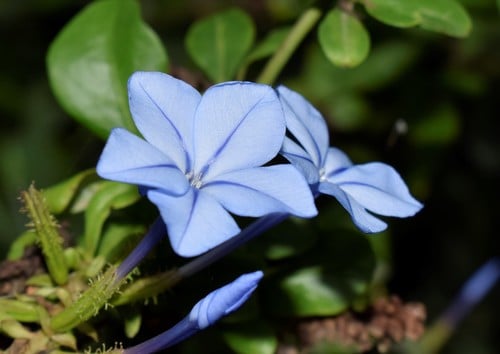
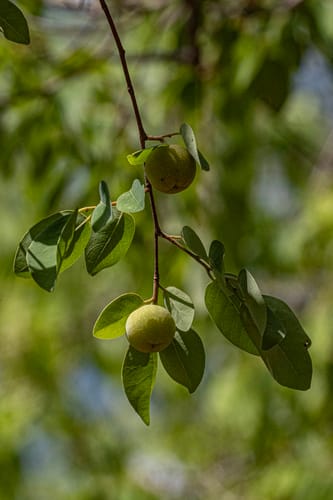
Cnidoscolus aconitifolius
(Mill.) I. M. Johnst.
Chaya, Tree-spinach
iNaturalist· cc-by-nc
(c) migueljac, some rights reserved (CC BY-NC)
iNaturalist· cc-by-nc
(c) Dinar Friska Tamara, some rights reserved (CC BY-NC), uploaded by Dinar Friska Tamara
iNaturalist· cc-by-nc
(c) nazafire, some rights reserved (CC BY-NC)
Summary
Source: WikipediaCnidoscolus aconitifolius, commonly known as chaya, tree spinach, Mayan tree spinach, or spinach tree, is a large, fast-growing and leafy perennial shrub in the spurge family Euphorbiaceae. The plant is native to Mexico. As with most euphorbias, the plant exudes an irritating, often toxic latex when damaged. The plant is cultivated in warm climates for its leaves that are cooked and eaten like spinach.
Description
A shrub. It can grow 2 m tall. It can be a tree up to 7 m tall. It is a small densely shady, rounded tree. The central stem is about 10 cm across. The side branches are 2 cm thick and end abruptly. The cut stem exudes latex. Some varieties have stinging hairs on the leaves. The domesticated varieties need to be chosen. The leaves are large and dark green. They have deep lobes arranged like fingers on a hand. There are coarse teeth around the edge. The leaves can be 22 cm wide and 18 cm long. The leaves are not flat. The leaf stalks are 60 cm long. The flowers are small. The flowering stalks have 3-4 forks. The whole flower head is 2-10 cm across. The female flowers are near the lowest forks and the male flowers at the ends. The flowers have an unpleasant smell. Some varieties occur. The forms without stinging hairs are classified as Chayamansa group.
Edible Uses
Young leaves and shoots are detoxified by cooking and eaten as a vegetable — boiled and used like spinach, they have a good flavour. They are rich in protein, calcium, iron, carotene, riboflavin, niacin, and ascorbic acid. The leaves contain around 25% protein. Up to 5 raw leaves can be eaten per day, and they can be used alone or combined with other vegetables in stews and soups, though they are only rarely eaten raw. Traditionally, leaves are immersed and simmered for 20 minutes then served with oil or butter. Cooking for approximately 15 minutes is sufficient to break down the raw leaves' cyanogenic glycosides, which can otherwise release hydrogen cyanide when tissue is damaged. A popular drink in the Yucatan region of Mexico is made by blending raw leaves in sugar water with lemon, pineapple, and other fruits, and is said to heighten virility.
Traditional Uses
The leaves are boiled and eaten as a vegetable. Gloves are used in harvesting to avoid stinging hairs. The leaves are chopped and then boiled for about 20 minutes. They can be used in soups and stews. CAUTION: The leaves contain a toxin which is removed by boiling. This hydrocyanic acid is removed by boiling for at least 2 minutes.
Medicinal Uses
The plant is reported to have wide-ranging medicinal benefits, including strengthening fingernails, darkening greying hair, and treating alcoholism, diabetes, insomnia, skin disorders, venereal diseases, gout, and scorpion stings, as well as improving brain function and memory. Numerous flavonoid compounds have been isolated from the leaves, primarily kaempferol and quercetin glycosides, though most reported medicinal properties have not been experimentally tested. Diabetic rabbits fed progressively higher quantities of the leaves showed a significant drop in blood sugar levels. Chicks fed diets high in leaf meal had lower overall body mass but significantly increased heart mass, liver mass, and red blood cell count, along with reduced mortality. The plant contains proteolytic enzymes, which may explain the traditional use of its sap for skin disorders.
Known Hazards
The raw leaves contain large quantities of toxic cyanogenic glycosides, in addition to the irritating sap typical of the Euphorbiaceae family. Some varieties also have stinging hairs and require gloves for harvesting. Thorough cooking destroys both the stinging hairs and toxins found in the raw plant. Care should be taken to avoid contact between raw plant material and one's mucous membranes including the mouth, eyes, genitals, nose, inner ears, or any otherwise open wound or injury. Complications can occur, from mild irritation to severe burning pain and in more serious cases, temporary blindness if it enters the eyes, or a temporary loss of smell or taste if it touches the nose or mouth. While raw consumption is discouraged, some sources state that no more than five raw leaves can be eaten per day. However, to avoid the risk of poisoning, leaves must be cooked for 5–15 minutes before eating, with 20 minutes being recommended most often in recipes. Additionally, aluminum utensils should not be used to cook chaya, as there is a risk of the plant's toxins reacting with aluminum, making the dish unsafe to eat. Chaya is one of the most productive green vegetables. It is rich in protein, vitamins, calcium, iron, and antioxidants, containing two to three times more nutrients than other, more common leafy vegetables. Cooking is essential prior to consumption because raw chaya leaves contain toxic cyanogenic glycosides, similar to the related crop cassava. Aluminum utensils should not be used to cook chaya to avoid possible dangerous side-effects. Traditionally, leaves are simmered for 20 minutes and then served with oil or butter. The stock or liquid in which the leaves are cooked is safe for consumption, as heat causes the cyanogenic glycosides to decompose, releasing hydrogen cyanide into the air. In Mayan traditional medicine, an infusion of the leaves is used to treat kidney stones, high blood pressure, and diabetes. Experiments with rabbits suggest that chaya leaves have a possible antidiabetic effect.
Distribution
A tropical plant. It needs moderate moisture. It needs an average well-drained soil. It can grow in full sun or light shade. It often grows in dry regions but is also adapted to the hot humid tropics. It normally grows at low altitudes. It grows on atolls.
Where It Grows
Africa, Belize, Brazil, Central America, Costa Rica, Cuba, East Africa, El Salvador, FSM, Ghana, Grenada, Guatemala, Haiti, Hawaii, Honduras, Kiribati, Mexico, Mozambique, Nicaragua, North America, Pacific, Panama, Peru, Pohnpei, Puerto Rico, South America, Tuvalu, USA, Venezuela, West Africa, West Indies, Zimbabwe,
Cultivation
Plants are grown from cuttings. Thick cuttings can be slow to root and thin cuttings can rot. It is best to allow the cutting to dry for a day or two before planting to avoid rotting. They can be planted at any time of the year. Cuttings from 10 cm to 1 m can be used. They can be planted directly into well drained soil that is not too wet. The plants can be used as a hedge.
Propagation
Stem cuttings approximately 40 cm long are dried for 1–14 days before planting, and can be taken as herbaceous, woody, softwood, or semi-hardwood cuttings. Seed propagation is also possible, though one report advises against it on the grounds that the plant may not set seed, produces sterile flowers, or will not come true from seed.
Other Uses
Grown as a hedge in home gardens, the plant also serves as fodder for pigs, chickens, iguanas, ducks, goats, and occasionally cattle. It is planted to form living fences and used as an ornamental. The leaves are considered a good mulch for vegetable gardens. The plant attracts a range of wildlife including bees, spiders, ants, butterflies, and birds, and is used in coppice and food forest systems.
Production
It is slow to establish. Sprouting can take 2-6 weeks. After the first year plants can be pruned regularly. The leaves can be harvested year round. From a well established plant, leaves can be harvested several times each week almost continually.
Other Information
It is a commercially cultivated vegetable.
Notes
There are 75 Cnidoscolus species. There are 65 Cnidoscolus species in tropical America. It has high food value.
Synonyms
Also Known As
Cabbage-star, Cansancao, Chaya, Chayamansa, Chicasquil, Copapayo, Devil nettle, Ka, Mayan spinach, Taya, Tree-spinach
References (38)
- Abbiw, D.K., 1990, Useful Plants of Ghana. West African uses of wild and cultivated plants. Intermediate Technology Publications and the Royal Botanic Gardens, Kew. p 40
- Bull. Torrey Bot. Club 71:466. 1944 (As Cnidoscolus chayamansa)
- Burkill, H. M., 1985, The useful plants of west tropical Africa, Vol. 2. Kew.
- Contr. Gray Herb. 68:86. 1923
- D'Ambrosio, U., & Puri, R. K., 2016, Foodways in transition: food plants, diet and local perceptions of change in a Costa Rican Ngäbe community. Journal of Ethnobiology and Ethnomedicine (2016) 12:3 p 24 (As Cnidoscolus chayamansa)
Show all 38 references Hide references
- de Polle, E., Plantas Silvestres Comestible de Guatemala. 1(1) Universidad de San Carlos de Guatemala.
- East, A. J. and Dawes. L. A., 2009, Homegardening as a panacea: a case study of South Tarawa. Asia Pacific Viewpoint 50(3) pp 338-352 (As Cnidoscolus chayamansa)
- Estrada-Castillon, E., et al, 2014, Ethnobotany in Rayones, Nuevo Leon, Mexico. Journal of Ethnobiology and Ethnomedicine, 10:62 (As Cnidoscolus chayamansa)
- Facciola, S., 1998, Cornucopia 2: a Source Book of Edible Plants. Kampong Publications, p 100 (As Cnidoscolus chayamansa)
- FAO, 1993, Valor Nutritivo Y Usis en Alimantacion humana de Algunis Cultivos Autoctonos Subexplotados de Mesoamerica. FAO, Santiago, Chile. p 58
- Gard. dict. ed. 8: Jatropha no. 6. 1768 (As Jatropha aconitifolia)
- Grubben, G. J. H. and Denton, O. A. (eds), 2004, Plant Resources of Tropical Africa 2. Vegetables. PROTA, Wageningen, Netherlands. p 200
- Hermandez Bermejo, J.E., and Leon, J. (Eds.), 1994, Neglected Crops. 1492 from a different perspective. FAO Plant Production and Protection Series No 26. FAO, Rome. p18 (As Cnidoscolus chayamansa)
- Jansen, P.C.M., 2004. Cnidoscolus aconitifolius (Mill.) I.M.Johnst. [Internet] Record from Protabase. Grubben, G.J.H. & Denton, O.A. (Editors). PROTA (Plant Resources of Tropical Africa), Wageningen, Netherlands. < http://database.prota.org/search.htm>. Accessed 14 October 2009.
- Kays, S. J., and Dias, J. C. S., 1995, Common Names of Commercially Cultivated Vegetables of the World in 15 languages. Economic Botany, Vol. 49, No. 2, pp. 115-152 (Also as Cnidoscolus chayamansa)
- Kiple, K.F. & Ornelas, K.C., (eds), 2000, The Cambridge World History of Food. CUP p 1750 (As Cnidoscolus chayamansa)
- Kuti, J. O., and Torres, E. S., 1996, Potential nutritional and health benefits of tree spinach. In Janick, J.,(ed.), Progress in new crops. ASHS. pp. 516-520 (As Cnidoscolus chayamansa)
- Kuti, J. O., and Konuru, H. B., 2004, Antioxidant Capacity and Phenolic Content in Leaf Extracts of Tree Spinach (Cnidoscolus spp.). Journal of Agricultural and Food Chemistry. 52: 117-121 (As Cnidoscolus chayamansa)
- Llamas, K.A., 2003, Tropical Flowering Plants. Timber Press. p 188 (As Cnidoscolus chayamansa)
- Lyons, G., et al, 2020, Macro- and Micronutrients from Traditional Food Plants Could Improve Nutrition and Reduce Non-Communicable Diseases of Islanders on Atolls in the South Pacific. Plants 2020, 9, 942
- Macmillan, H.F. (Revised Barlow, H.S., et al) 1991, Tropical Planting and Gardening. Sixth edition. Malayan Nature Society. Kuala Lumpur. p 344 (As Cnidoscolus chayamansa)
- Martin, F.W. & Ruberte, R.M., 1979, Edible Leaves of the Tropics. Antillian College Press, Mayaguez, Puerto Rico. p 191 (As Cnidoscolus chayamansa)
- Martin, F.W. & Ruberte, R.M., 1978, Vegetables for the Hot, Humid Tropics. Part 3 Chaya, Cnidoscolus chayamansa. USDA Dept Ag. PO Box 53326 New Orleans, Louisiana 70153. (As Cnidoscolus chayamansa)
- NYBG Herbarium "edible"
- Piedra-Malagón, E. M. et al, 2022, Edible native plants of the Gulf of Mexico Province. Biodiversity Data Journal 10: e80565 p 19
- Oomen, H.A.P.C., & Grubben, G.J.H., 1978, Tropical Leaf Vegetables in Human Nutrition, Communication 69, Department of Agricultural research, RTI Amsterdam, p 40, 64, 66, 95 (As Cnidoscolus chayamansa)
- Smith, N., Mori, S.A., et al, 2004, Flowering Plants of the Neotropics. Princeton. p 149
- Standley, P. C. & Record, S. J., 1936, The Forests and Flora of British Honduras. (Belize). p 221
- Staples, G.W. and Herbst, D.R., 2005, A tropical Garden Flora. Bishop Museum Press, Honolulu, Hawaii. p 295
- Steggerda, M., Some Ethnological Data Concerning One Hundred Yucatan Plants. Smithsonian Institution Anthropological Papers, No. 29 (As Jatropha aconitifolia)
- Terra, G.J.A., 1973, Tropical Vegetables. Communication 54e Royal Tropical Institute, Amsterdam, p 54 (As Jatropha aconitifolia)
- Thaman, R. R, 2016, The flora of Tuvalu. Atoll Research Bulletin No. 611. Smithsonian Institute p 84 (As Cnidoscolus chayamansa)
- Tindall, H.D., & Williams, J.T., 1977, Tropical Vegetables and their Genetic Resources, International Board for Plant Genetic Resources, Rome, p 107 (As Cnidoscolus chayamansa)
- Ulian, T., et al, 2020, Unlocking plant resources to support food security and promote sustainable agriculture. Plants, People, Planet. 2020;2:421–445.
- USDA, ARS, National Genetic Resources Program. Germplasm Resources Information Network - (GRIN). [Online Database] National Germplasm Resources Laboratory, Beltsville, Maryland. Available: www.ars-grin.gov/cgi-bin/npgs/html/econ.pl (10 April 2000)
- Wiersema, J. H. & Leon, B., 2013, World Economic Plants. A Standard Reference CRC Press. 2nd Ed. p 187
- World Checklist of Useful Plant Species 2020. Royal Botanic Gardens, Kew
- Zuchowski W., 2007, Tropical Plants of Costa Rica. A Zona Tropical Publication, Comstock Publishing. p 176