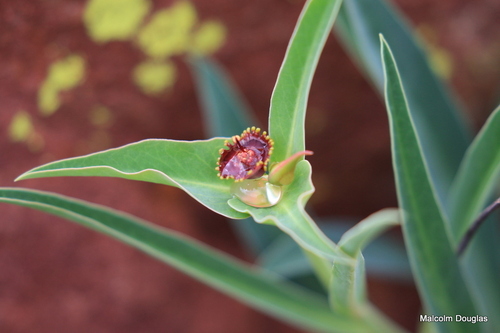
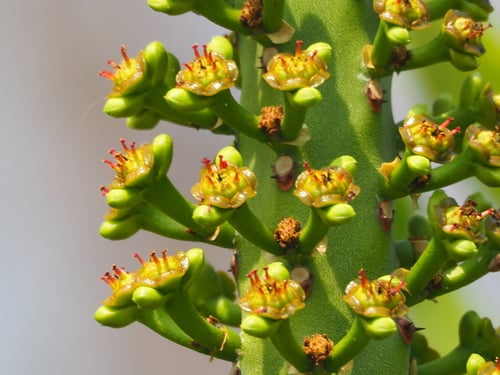
Aleurites rockinghamensis
(Baill.) P. I. Forst.
Candlenut siris
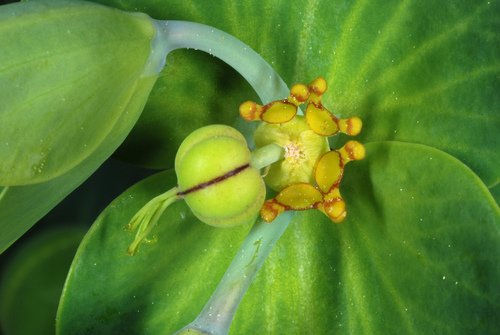
iNaturalist· cc-by-nc
(c) Graham Bell, some rights reserved (CC BY-NC), uploaded by Graham Bell
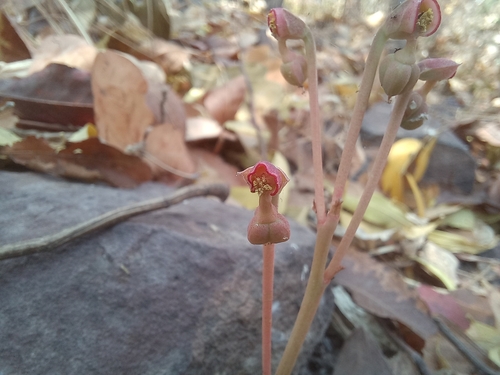
iNaturalist· cc-by-nc
(c) kerrycoleman, some rights reserved (CC BY-NC), uploaded by kerrycoleman
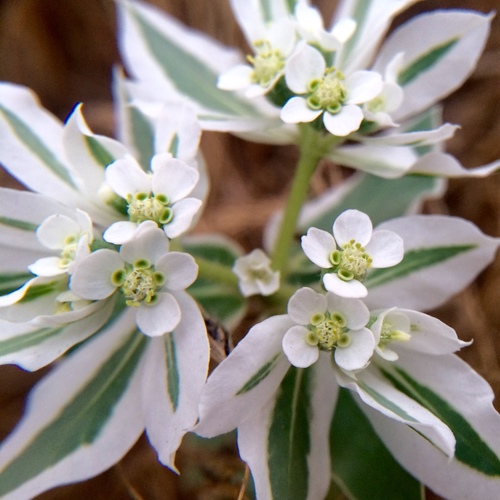
iNaturalist· cc-by-sa
(c) Steve Fitzgerald, some rights reserved (CC BY-SA), uploaded by Steve Fitzgerald
Summary
Source: WikipediaAleurites rockinghamensis, the candlenut, is a flowering tree in the spurge family, Euphorbiaceae found in northeastern Australia. It was first formally described and named by French botanist Henri Ernest Baillon as a variety of Aleurites moluccanus, as Aleurites moluccanus var. rockinghamensis in 1866. The Australian botanist Paul Irwin Forster promoted it to distinct species status in 1996. The type specimen was collected in Rockingham Bay, Queensland. It occurs in Australia and Papua New Guinea.
Description
A large tree. There are 2 raised glands on the upper surface of the leaf stalk. The leaves are 11-40 cm long by 7-30 cm wide. Male and female flowers are 10-12 mm wide. The fruit are 7-8 cm across. They usually have 3 lobes but can have more or less.
Edible Uses
The fruit are cooked and eaten, and the seeds are edible.
Traditional Uses
Caution: It can irritate the stomach. The fruit are cooked and eaten.
This uses section is brief — help expand it
Known Hazards
The fruit can irritate the stomach.
Distribution
It is a tropical plant. It grows in the wet tropics in northern Australia. It grows from sea level to 1,000 m above sea level.
Where It Grows
Australia*, Papua New Guinea, PNG,
References (4)
- Beasley, J., 2011, Plants of Tropical North Queensland - the compact guide. Footloose publications. p 98
- Hill, R. and Baird, A., 2003, Kuku-Yalanji Rainforest Aboriginal People and Carbohydrate Resource Management in the Wet Tropics of Queensland, Australia. Human Ecology, Vol. 31, No. 1. pp 27-52
- http://florafnq.wordpress.com/2011/10/23/aleurites-rockinghamensis-euphorbiaceae/
- World Checklist of Useful Plant Species 2020. Royal Botanic Gardens, Kew