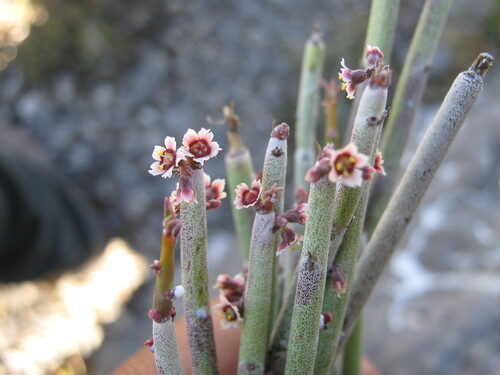
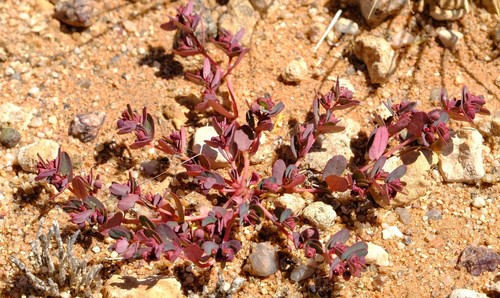
Alchornea triplinervia
(Spreng.) Mull.Arg.
Red honeywood
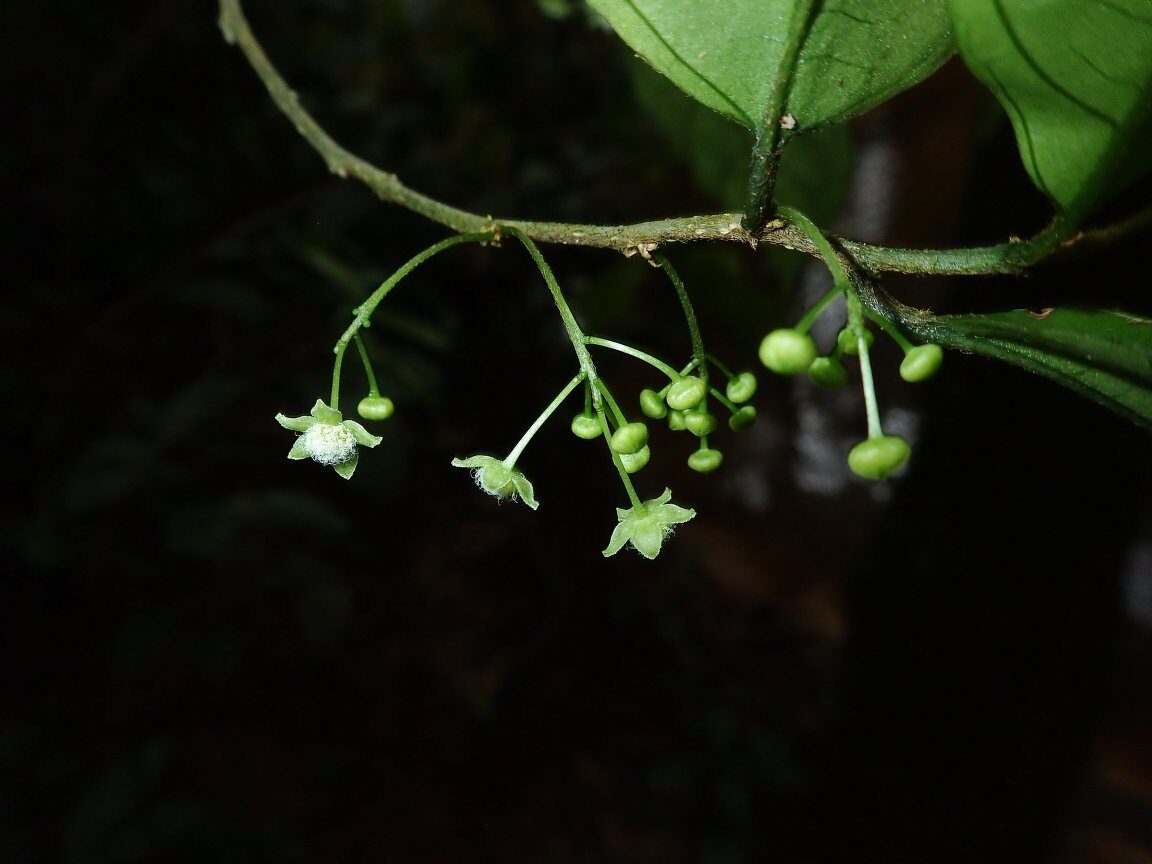
iNaturalist· cc-by-nc
(c) Leandro Cardoso, some rights reserved (CC BY-NC), uploaded by Leandro Cardoso
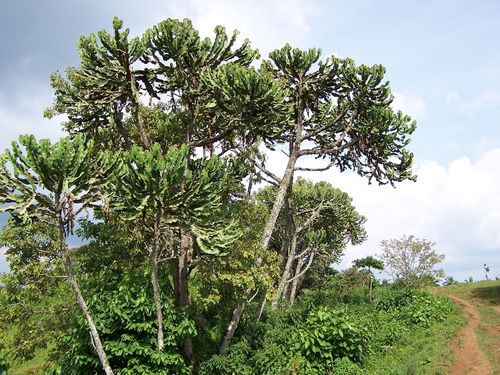
iNaturalist· cc-by-nc
(c) Micael De Bona, some rights reserved (CC BY-NC), uploaded by Micael De Bona
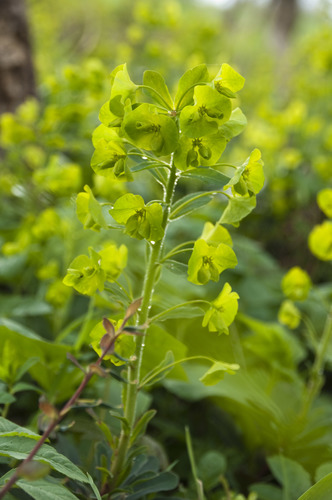
iNaturalist· cc-by-nc
(c) Walter Medina, some rights reserved (CC BY-NC)
Summary
Source: WikipediaAlchornea triplinervia is a commercial timber tree native to the Amazon rainforest, Atlantic Forest, and Cerrado vegetation in Brazil. This plant is found in the following states of Brazil: Amazonas, Bahia, Espírito Santo, Goiás, Mato Grosso, Mato Grosso do Sul, Minas Gerais, Paraná, Rio de Janeiro, Rio Grande do Sul, Rondônia, Roraima, Santa Catarina, and São Paulo. It is also used as a honey plant.
Description
A tree. It grows 8-30 m tall. The trunks 15-100 cm across. The crown is spreading. Trees are separately male and female.
This description is brief — help expand it
Edible Uses
The fruit is edible.
Medicinal Uses
The leaves are used as medicine.
Distribution
It is a tropical plant. It grows from sea level to 1,000 m above sea level.
Where It Grows
Argentina, Bolivia, Brazil, Central America, Colombia, Costa Rica, Ecuador, Guatemala, Honduras, Nicaragua, Panama, Paraguay, Peru, South America, Trinidad and Tobago, Venezuela,
Cultivation
Plants can be grown from fresh seed.
Propagation
Seed - best sown as soon as it is ripe in a partially shaded position in a nursery seedbed. A low germination rate can be expected, with the seed sprouting within 20 - 40 days. When the seedlings are 3 - 5cm tall, pot them up into individual containers. The seed has a short viability of less than 60 days.
Other Uses
There is only a thin layer of heartwood, which is medium brown; most of the wood is sapwood, which varies in colour from pale pinkish yellow to deep pinkish brown, sometimes with long dark gum streaks. The wood is moderately straight-grained; medium to rather coarse-textured; it has no distinctive odour or taste. It is light in weight and fairly soft; with poor mechanical properties; requires a sharp knife to cut smoothly across grain, but takes a moderately smooth finish; does not appear to be durable. It is only used for purposes such as light boxing, door fillings, clogs, crutches and panels. A pioneer species within its native range, it grows rapidly and can be used in reforestation planting schemes.
Notes
The leaves are used as medicine,
Synonyms
Also Known As
Ajumna, Alcornea, Algodoeiro, Ara-de-aspinho, Aricurana, Boleira, Boleiro, Caixeta, Caixeta-branca, Canela, Canela-raposa, Casca-doce, Cascara de yuca, Chipa rupa, Cocopano, Corticeira, Folha-de-bolo, Guampito, Irucurana, Jangada, Kanakudiballi, Kasaba-oedoe, Lava-pratos, Malacaxeta, Mojarra, Mojarra caspi, Mora blanca, Oeirana, Palo macho, Paloma micuna, Palo paloma rosado, Paraparay guazu, Pau-de-tanho, Pau-jangada, Pau-viola, Polgoso, Samambaia, Sangria, Sangue-de-drago, Sara, Sona, Supiarana-igapo, Tamanqueira, Tamanqueiro, Taneiro, Tapia, Urucu yvyra
References (3)
- Grandtner, M. M. & Chevrette, J., 2013, Dictionary of Trees, Volume 2: South America: Nomenclature, Taxonomy and Ecology. Academic Press p 21
- Roa, J. A. G. & Boada, D. S. G., 2018, Fundación para el Fortalecimiento de la Fruticultura y Plantas Alimenticias no Convencionales en Colombia.
- Spichiger, R., et al, 1990, Contribucion a la Flora de la Amazonia Peruana. Boissiera 44. p 43