Calandrinia calyptrata
Hook.f.
Small-leaf parakeelya, Pink purslane
iNaturalist· cc-by-sa
(c) Miguel de Salas, some rights reserved (CC BY-SA)
iNaturalist· cc-by-sa
(c) Miguel de Salas, some rights reserved (CC BY-SA)
iNaturalist· cc-by-nc
(c) Jenny Emeny, some rights reserved (CC BY-NC)
Description
A small annual herb. It is angular and branches from the base. The leaves mostly arise from the base of the stem. They are fleshy and almost like cylinders. They are reddish. There are very few leaves on the stems. The flowers are small and pink. They are on long stalks.
Edible Uses
The thin taproot is edible.
Distribution
It grows on the edge of granite slabs and in rock crevices. Tasmania Herbarium.
Where It Grows
Australia*, Tasmania,
Notes
There are between 50-100 Calandrinia species. It has also been put in the family Portulacaceae.
Also Known As
Parakeelya
References (4)
- Cherikoff V. & Isaacs, J., The Bush Food Handbook. How to gather, grow, process and cook Australian Wild Foods. Ti Tree Press, Australia p 194
- Harris, S., Buchanan, A., Connolly, A., 2001, One Hundred Islands: The Flora of the Outer Furneaux. Tas Govt. p 126
- Paczkowska, G . & Chapman, A.R., 2000, The Western Australian Flora. A Descriptive Catalogue. Western Australian Herbarium. p 461
- Tasmanian Herbarium Vascular Plants list p 46
More from Montiaceae
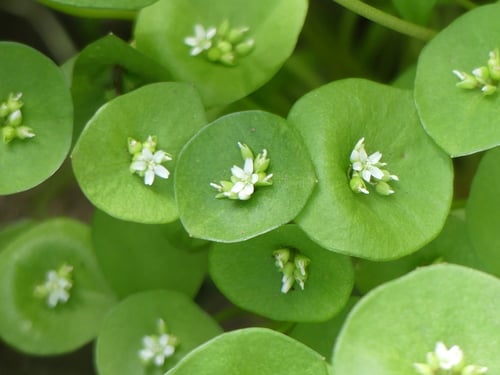
Claytonia perfoliata
Spring beauty, Cuban spinach, Petota, Miner's lettuce
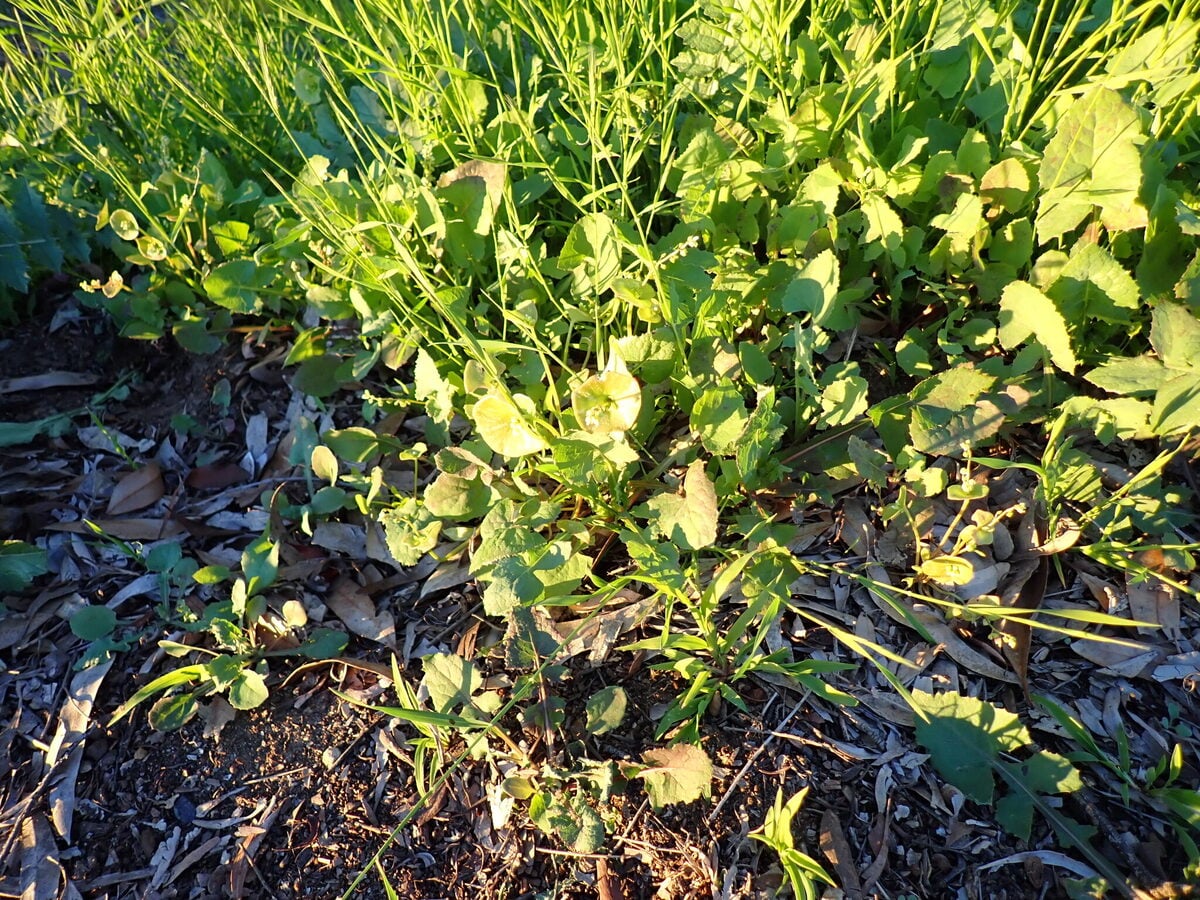
Claytonia perfoliata ssp. perfoliata
Miner’s lettuce
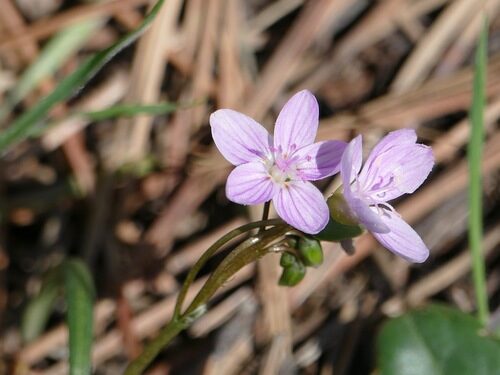
Claytonia rosea
Rosy Springbeauty
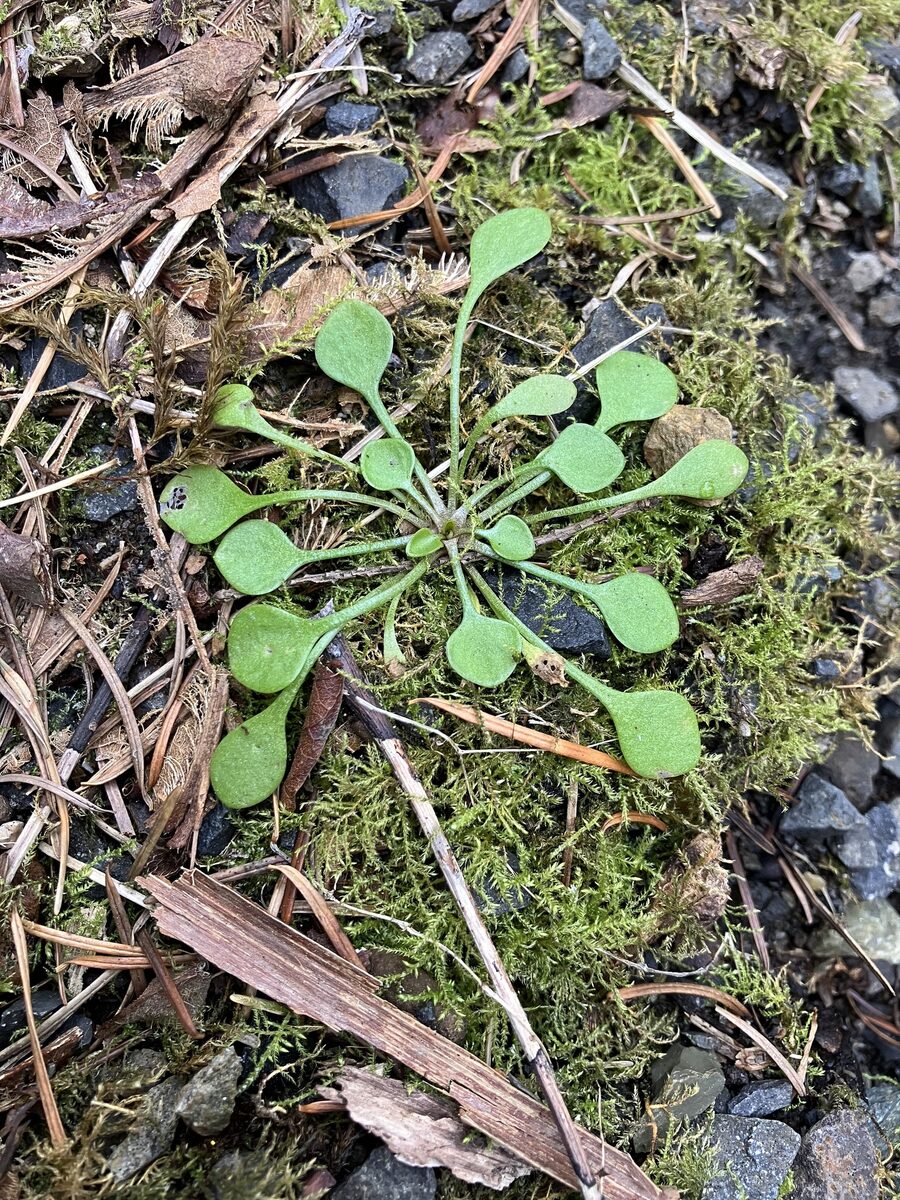
Claytonia rubra - (Howell) Tidestr.
Redstem Springbeauty
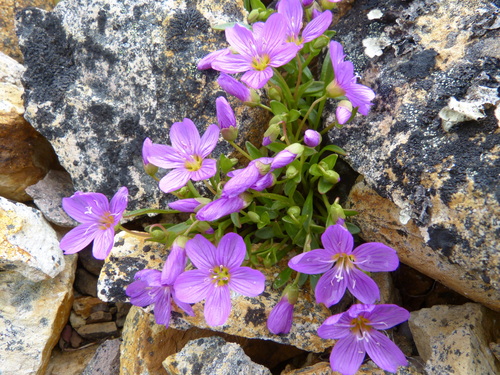
Claytonia scammaniana
Scamman's Springbeauty
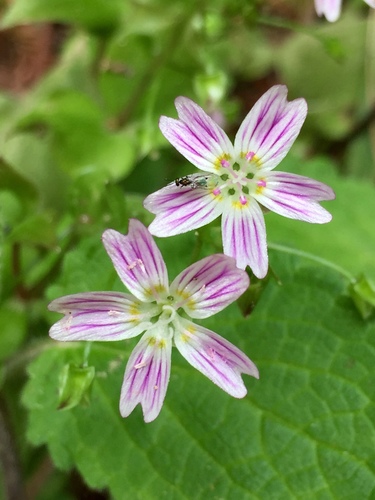
Claytonia sibirica
Pink purslane, Siberian Springbeauty, Siberian miner’s lettuce