Citrullus lanatus var. citroides
(Thunb.) Matsum., (L.H.Bailey) Mansf.
Citron-melon, Preserving-melon, Jam melon
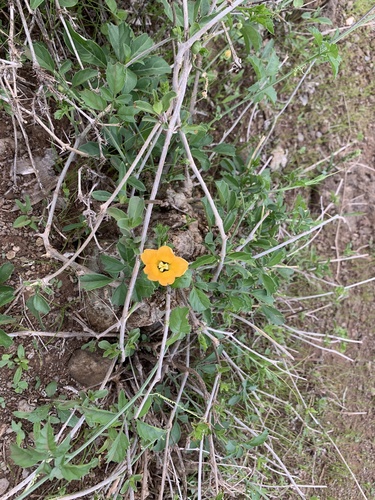
iNaturalist· cc-by-nc-sa
(c) Ahmad Fuad Morad, some rights reserved (CC BY-NC-SA)
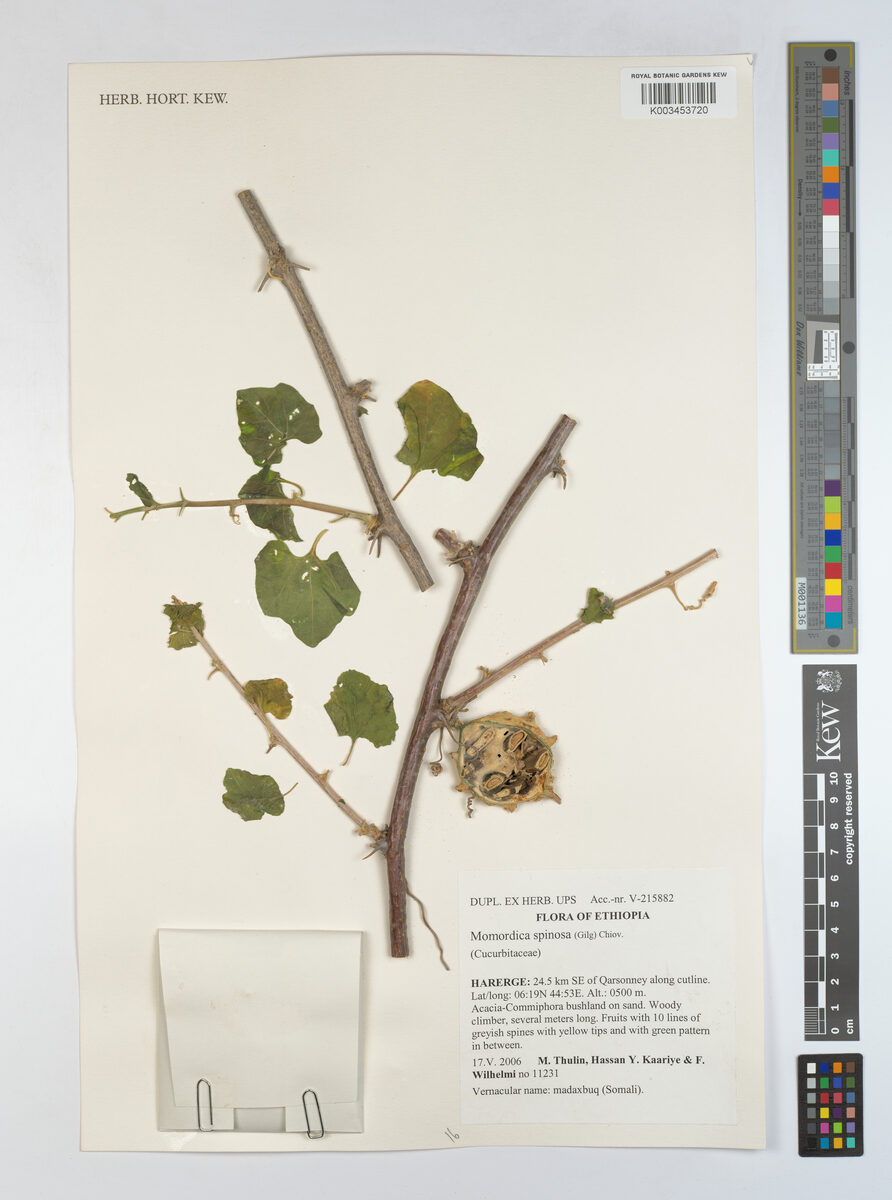
iNaturalist· cc-by-nc-sa
(c) Ahmad Fuad Morad, some rights reserved (CC BY-NC-SA)
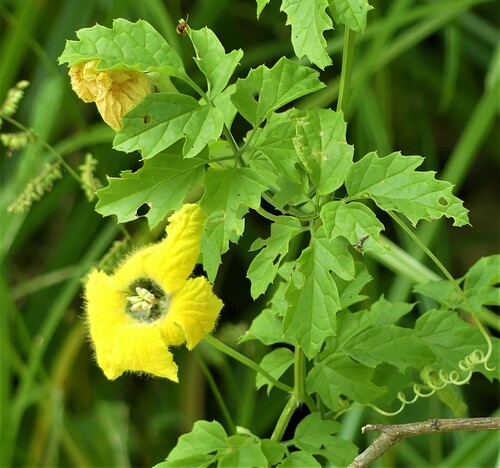
iNaturalist· cc-by-sa
(c) Bernard DUPONT, some rights reserved (CC BY-SA)
Description
A pumpkin family plant. It is a vine that grows each year. It can grow 5 m long. The flowers are green.
This description is brief — help expand it
Edible Uses
The rind of the fruit is pickled, crystallised, or made into jams and jellies. The seeds are edible.
Traditional Uses
The rind of the fruit is pickled, crystallised or made into jams and jellies. (The fruit pulp is not eaten) The seeds are edible.
This uses section is brief — help expand it
Distribution
A tropical plant.
Where It Grows
Africa, Australia, Botswana, Côte d'Ivoire, Ivory Coast, Lesotho, Namibia, South Africa, Southern Africa, Tasmania,
Cultivation
Plants can be grown from seeds.
Other Information
It is a commercially cultivated vegetable.
Notes
There are 3 Citrullus species.
Nutrition
| Part | Moisture | kJ | kcal | Protein | Vit A | Vit C | Iron | Zinc |
|---|---|---|---|---|---|---|---|---|
| Seeds | 6.4 | — | — | 30 | — | — | — | — |
Synonyms
References (6)
- Facciola, S., 1998, Cornucopia 2: a Source Book of Edible Plants. Kampong Publications, p 84
- Kays, S. J., and Dias, J. C. S., 1995, Common Names of Commercially Cultivated Vegetables of the World in 15 languages. Economic Botany, Vol. 49, No. 2, pp. 115-152
- Kulturpflanze 2:421. 1959
- Loukou, A. L., et al, 2006, Macronutrient composition of three cucurbit species cultivated for seed consumption in Côte d'Ivoire. Afr. J. Biotechnol.
- USDA, ARS, National Genetic Resources Program. Germplasm Resources Information Network - (GRIN). [Online Database] National Germplasm Resources Laboratory, Beltsville, Maryland. Available: www.ars-grin.gov/cgi-bin/npgs/html/econ.pl (10 April 2000)
Show all 6 references Hide references
- Wiersema, J. H. & Leon, B., 2013, World Economic Plants. A Standard Reference CRC Press. 2nd Ed. p 179