Momordica rostrata
A. Zimm.
iNaturalist· cc-by-nc
(c) imran_effendy, some rights reserved (CC BY-NC)
iNaturalist· cc-by-nc
(c) Heinrich Human, some rights reserved (CC BY-NC)
iNaturalist· cc-by-nc
(c) Heinrich Human, some rights reserved (CC BY-NC)
Description
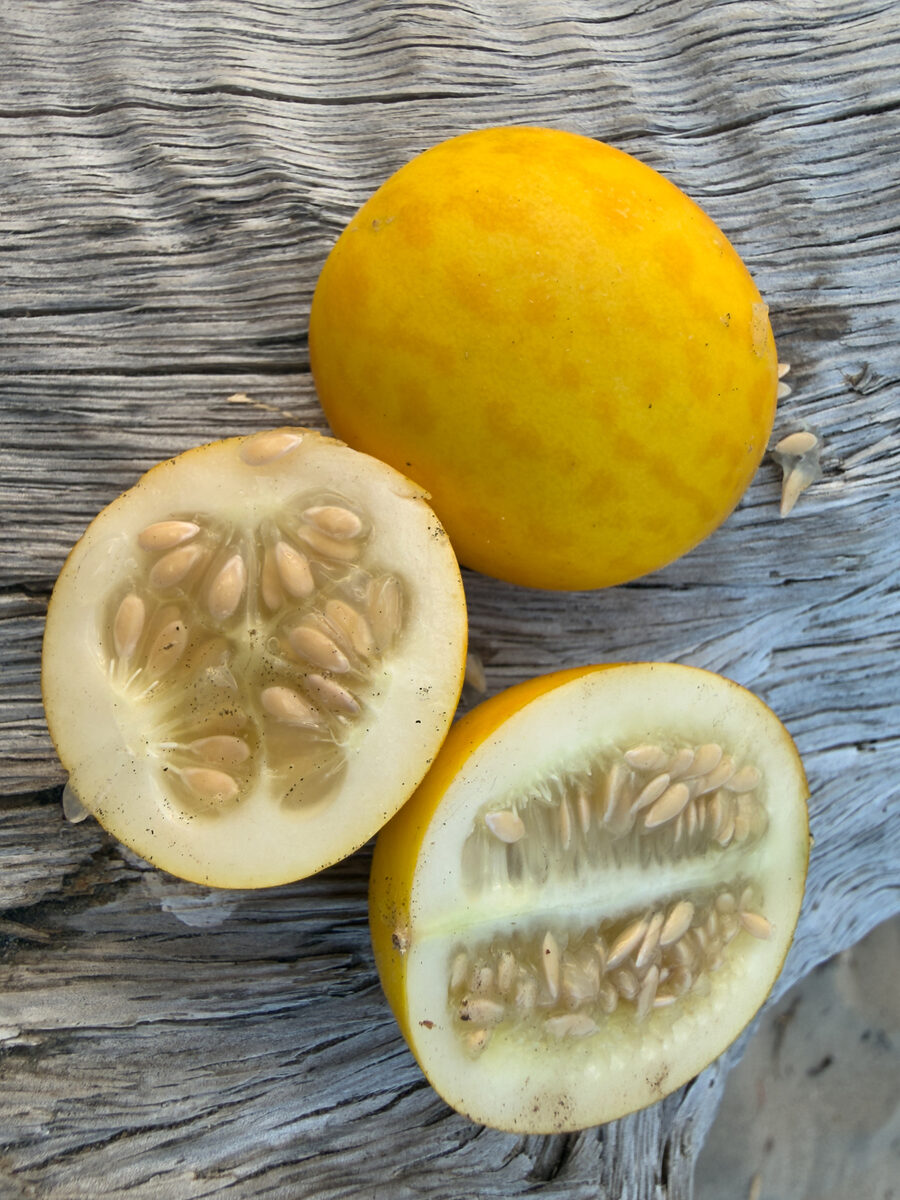
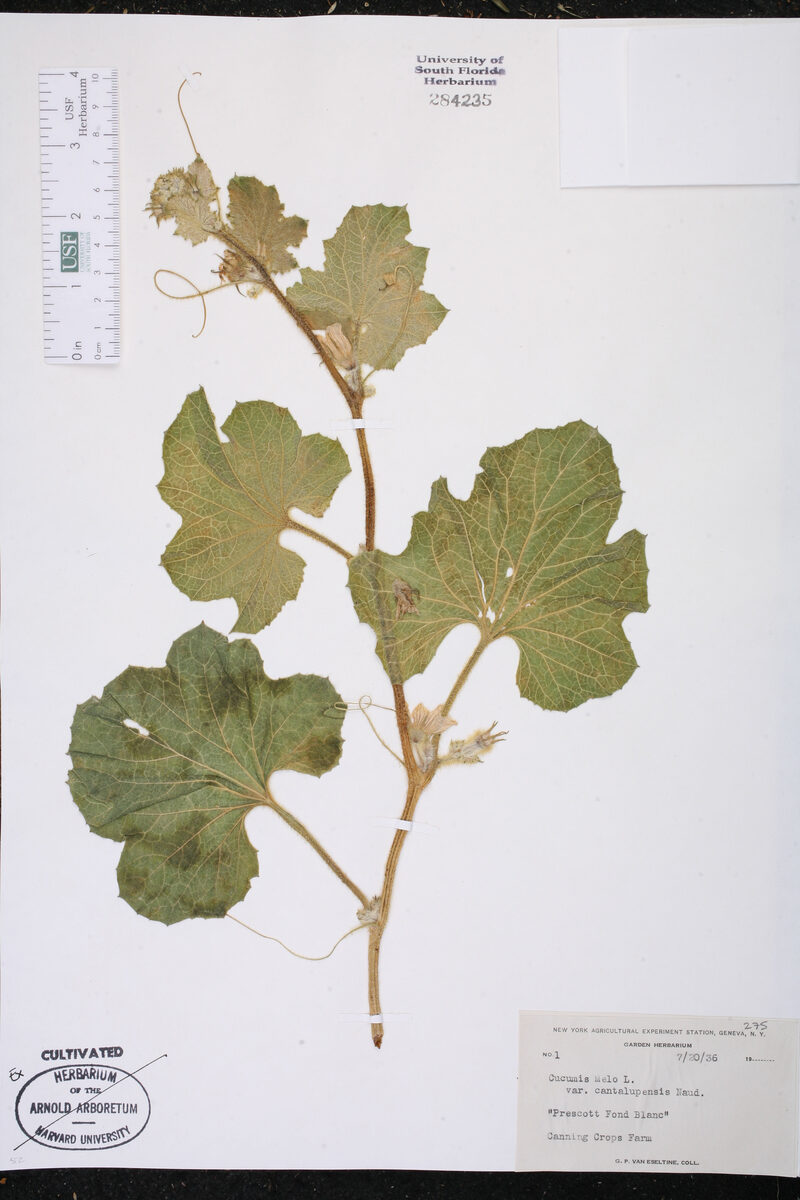
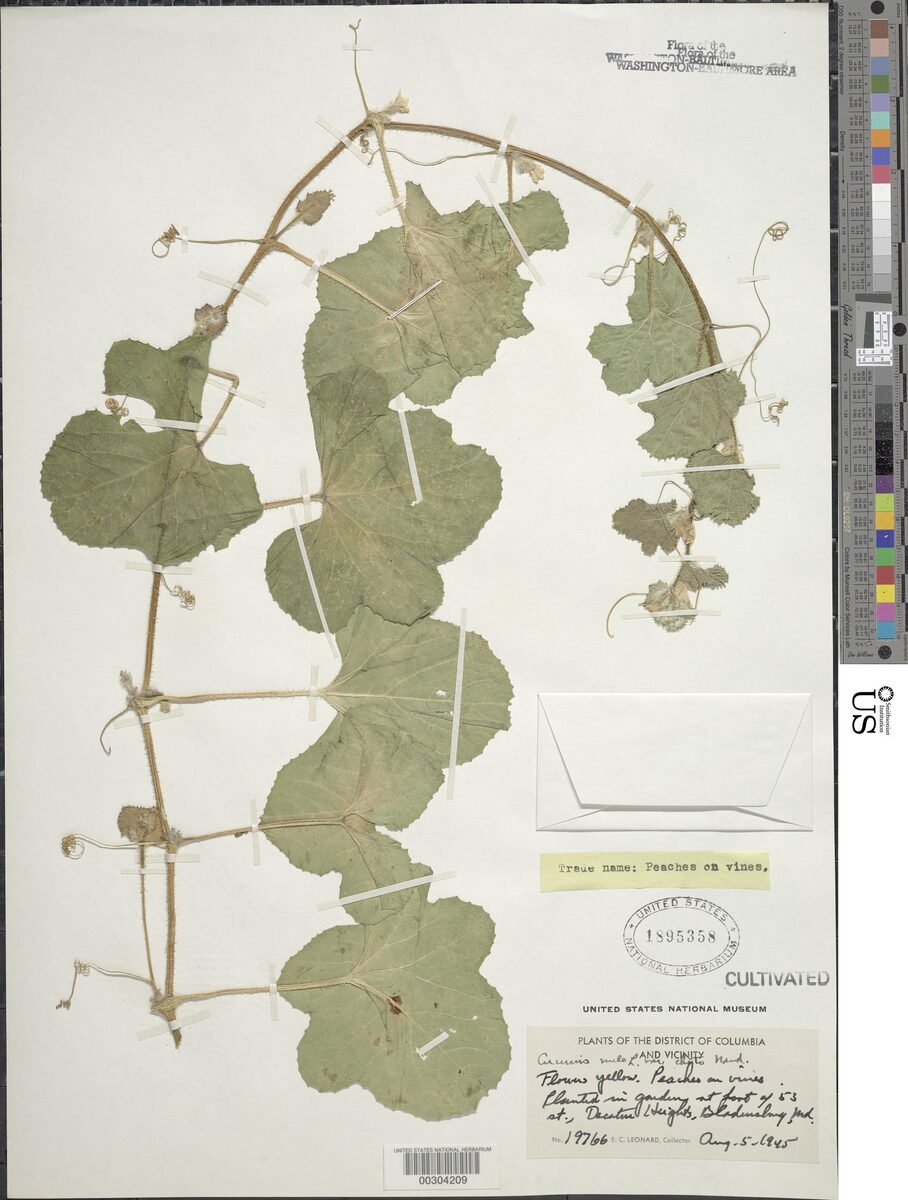
A herb. It lies along the ground or can be climbing. It has tendrils. It has a fleshy rootstock. The stems can be 7 m long and become woody. The leaves are alternate. They have about 9 lobes. The central leaflet is almost round and 1-5 cm long by 1-3 cm wide and the side leaflets are smaller. Male and female flowers are separate. Male flowers are in groups and female flowers occur singly. The fruit are oval berries. They are 3-7 cm long and 2-3 cm wide. The pulp is bright red with many seeds.
Edible Uses
The young tender leaves are cooked and eaten alone or mixed with amaranth. The leaves and fruit are also boiled and eaten or used in relishes and chutneys. The ripe fruit are sweet and edible. The seeds are roasted and eaten. It is a locally popular vegetable, especially enjoyed by children.
Traditional Uses
The leaves and fruit are boiled and eaten. They are also used in relishes and chutneys. The young tender leaves are cooked and eaten alone or mixed with amaranth. Ripe fruit are sweet and edible. The seeds are roasted and eaten.
Medicinal Uses
The leaves and fruit are used in traditional preparations.
Distribution
It is a tropical plant. In Tanzania it grows in dry woodland from sea level to 1,650 m altitude. It grows in rocky places. It can grow in arid places. In the Brisbane Botanical Gardens.
Where It Grows
Africa, Australia, East Africa, Ethiopia, Kenya, Tanzania, Uganda,
Cultivation
Plants can be grown from seeds.
Other Uses
A powder obtained from peeled, dried and crushed roots can be used for the preservation of cereals. The powder can also be used to kill stalk borers.
Other Information
The fruit are eaten especially by children. It is a locally popular vegetable.
Synonyms
Also Known As
Cheprukwo, Kiongoa, Kulo, Kunguiva, Kyongoa, Litambalanzoka, Mtunda nyoka, Olamposhi, Rukiri
References (13)
- Bosch, C.H., 2004. Momordica rostrata A.Zimm. [Internet] Record from Protabase. Grubben, G.J.H. & Denton, O.A. (Editors). PROTA (Plant Resources of Tropical Africa), Wageningen, Netherlands. < http://database.prota.org/search.htm>. Accessed 20 October 2009.
- Grubben, G. J. H. and Denton, O. A. (eds), 2004, Plant Resources of Tropical Africa 2. Vegetables. PROTA, Wageningen, Netherlands. p 391
- Lulekal, E., et al, 2011, Wild edible plants in Ethiopia: a review on their potential to combat food insecurity. Afrika Focus - Vol. 24, No 2. pp 71-121
- Mutie, F. G., 2020, Conservation of Wild Food Plants and Their Potential for Combatting Food Insecurity in Kenya as Exemplified by the Drylands of Kitui County. Plants 2020, 9, 1017
- Mutie, F. M., et al, 2023, Important Medicinal and Food Taxa (Orders and Families) in Kenya, Based on Three Quantitative Approaches. Plants 2023, 12, 1145
Show all 13 references Hide references
- Newman, 1970,
- Ngugi, G., 1999, Case study from Kenya in Indigenous Wild Vegetables. Workshop in Kenya. USAID p 51
- Njoroge, G. & Newton, L. E. 1994, Edible and Poisonous Species of Cucurbitaceaea in the Central Highlands of Kenya. Journal of East African Natural History. 83:101-115
- Peters, C. R., O'Brien, E. M., and Drummond, R.B., 1992, Edible Wild plants of Sub-saharan Africa. Kew. p 102
- Royal Botanic Gardens, Kew (1999). Survey of Economic Plants for Arid and Semi-Arid Lands (SEPASAL) database. Published on the Internet; http://www.rbgkew.org.uk/ceb/sepasal/internet [Accessed 16th April 2011]
- Ruffo, C. K., Birnie, A. & Tengnas, B., 2002, Edible Wild Plants of Tanzania. RELMA p 476
- Termote, C., et al, 2014, Assessing the potential of wild foods to reduce the cost of a nutritionally adequate diet: An example from eastern Baringo District, Kenya. Food and Nutrition Bulletin, vol. 35, no. 4
- World Checklist of Useful Plant Species 2020. Royal Botanic Gardens, Kew