Persea odoratissima
(Nees) Kosterm.
Lauraceae Edible: Fruit
Description
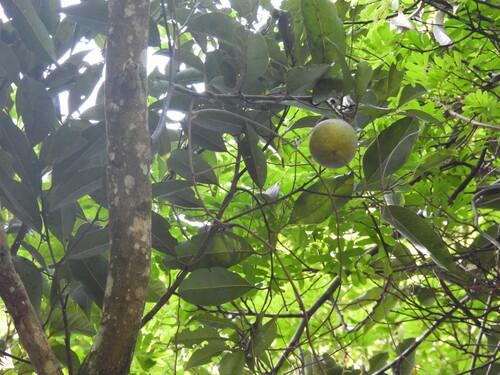
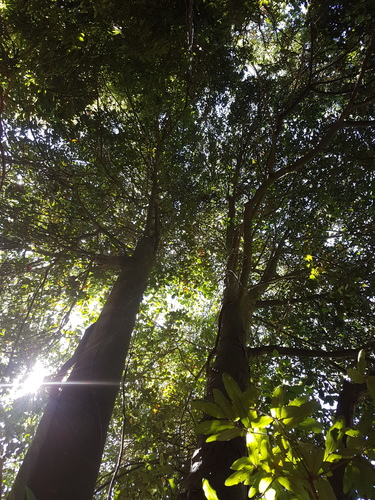
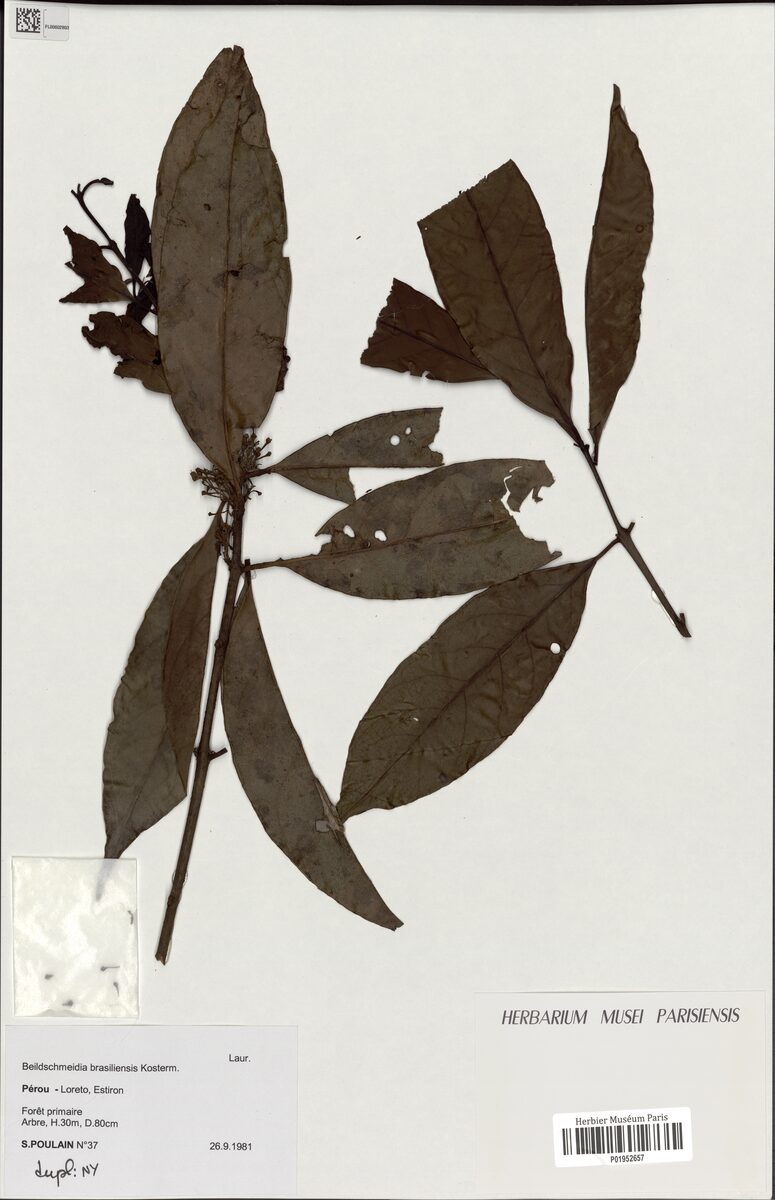
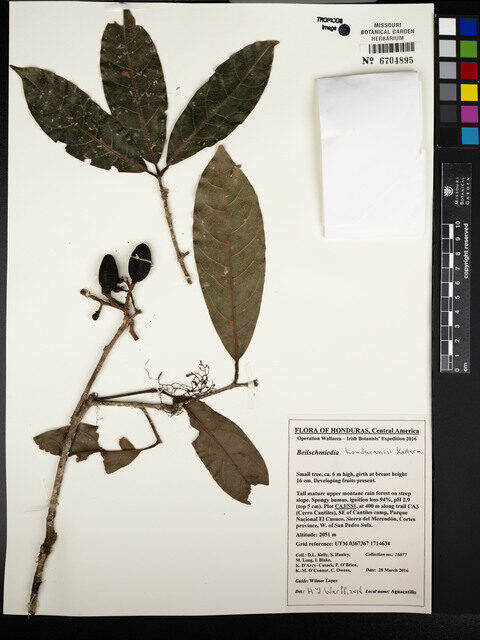
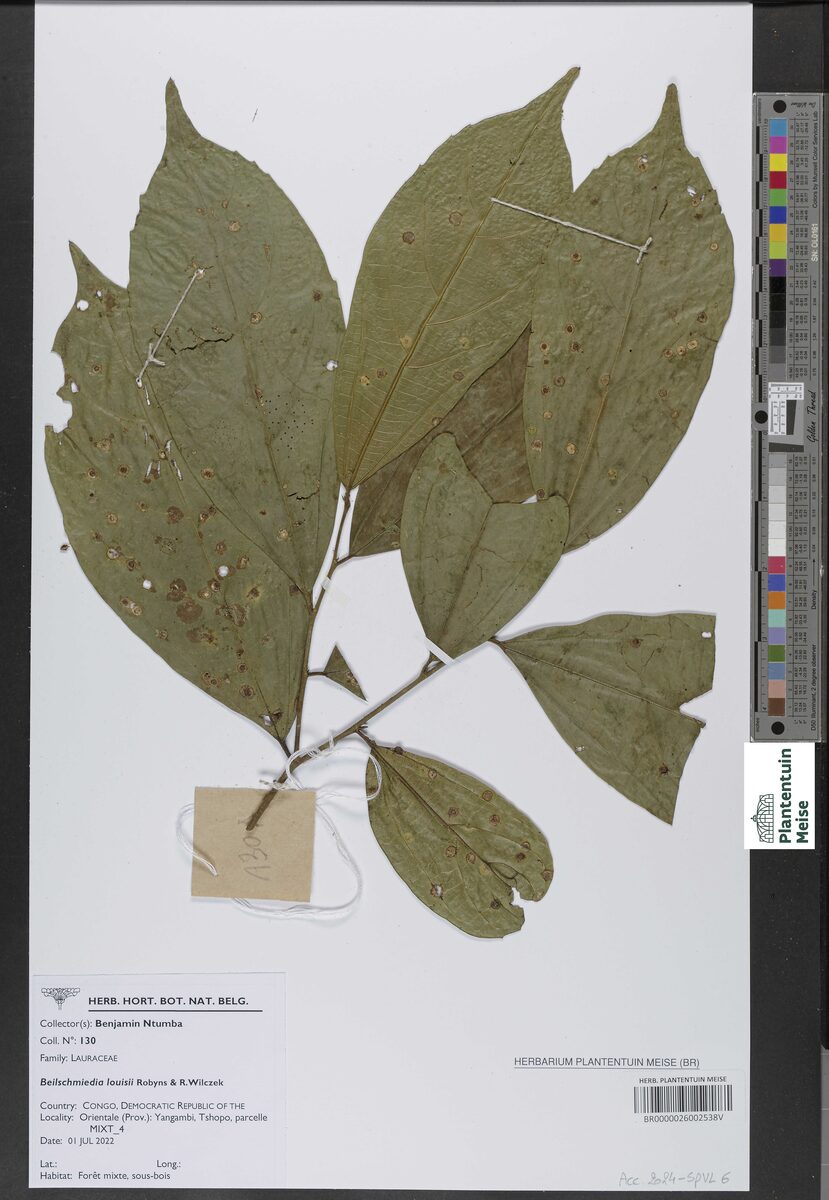
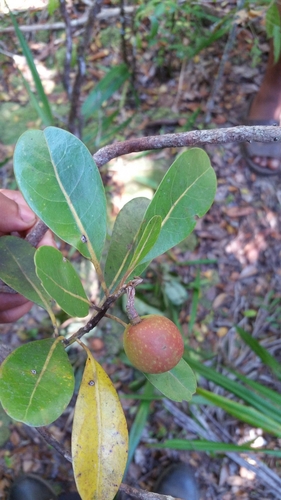
A medium sized tree. The bark is rough and brown. The leaves are smooth and dark green above and more pale underneath. They are oval or sword shaped.
Edible Uses
The ripe fruit are collected from the ground and the outer pulp is eaten.
Traditional Uses
The ripe fruit are collected from the ground and the outer pulp eaten.
This uses section is brief — help expand it
Distribution
It is a subtropical plant. It grows in hill forests between 1,500-2,150 m above sea level.
Where It Grows
Asia, Himalayas, India, Nepal, Northeastern India, Sikkim,
Synonyms
Machilus odoratissima
Also Known As
Kasindu, Lalikaulo, Olglya, Phamlex, Rohunjkung, Sapsing, Seto kaulo
References (2)
- Kuldip Singh Gulia, Human ecology of Sikkim. (As Machilus odoratissima)
- Uprety, Y., et al, 2016, Traditional use and management of NTFPs in Kangchenjunga Landscape: implications for conservation and livelihoods. Journal of Ethnobiology and Ethnomedicine (2016) 12:19