Cinnamomum rhynchophyllum
Miquel
gbif· cc0
Royal Botanic Garden Edinburgh
gbif· cc-by
Royal Botanic Gardens, Kew
gbif· cc0
Royal Botanic Garden Edinburgh
Summary
Source: WikipediaCinnamomum rhynchophyllum is a species of tree in the laurel family (Lauraceae). It is native to Borneo, Sumatra, and Peninsular Malaysia. It is a small tree growing to 10 metres tall, with a trunk to 15 cm in diameter. In Borneo it is found in Sarawak (Kuching, Lundu and Marudi districts), Sabah (Lahad Datu, and Tawau districts), and in West, Central, and East Kalimantan, where it grows in mixed dipterocarp forest to 600 metres elevation.
Description
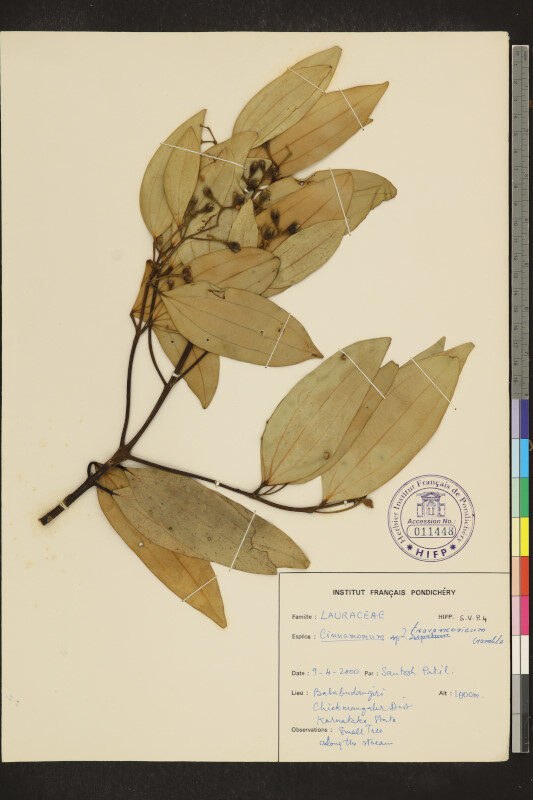
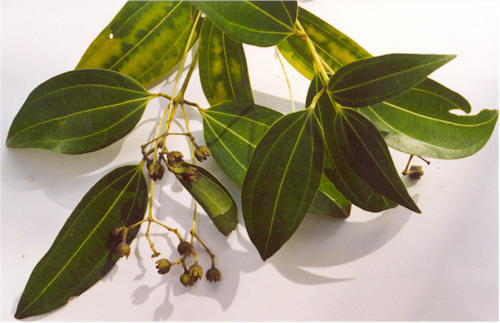
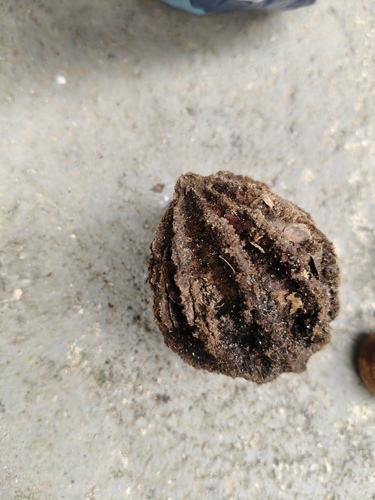
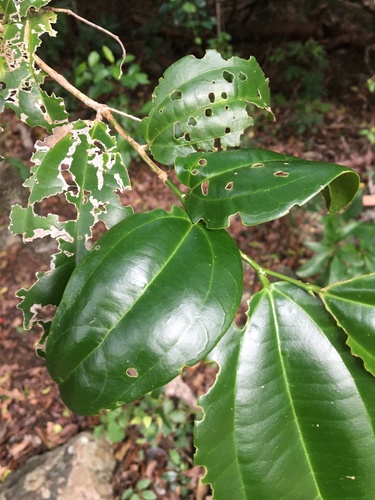
A tree. It grows up to 20 m tall. The trunk can be 30 cm across. The leaves are almost opposite and have 3 veins. The leaf stalk is 1.5 cm long. The blade is oblong and 7-23 cm long by 2-8 cm wide. The tip has a 1-2 cm long point. The leaves are leathery and hairy. The flowering stalks can be at the ends of branches or in the axils of leaves. The panicle is 15 cm long. The flowers are yellow. The fruit is a flat round berry with one seed. The fruit is about 1 cm across.
Edible Uses
The bark is used locally as a spice.
Traditional Uses
The bark is used locally as a spice.
This uses section is brief — help expand it
Medicinal Uses
The bark smells like cloves and nutmeg. It is used medicinally to cure intestinal problems. A decoction of the leaves is used to treat stomach ache and food poisoning
Distribution
A tropical plant. It grows in lowland and hill forests. It grows up to 500 m altitude.
Where It Grows
Asia, Indonesia, Malaysia, SE Asia,
Cultivation
Species in this genus generally prefer an acidic soil with ample moisture in the growing season and a position with some shade. Species in this genus are generally able to resprout from basal wood if the top is damaged, and will soon recover from any damage.
Propagation
Seed - the seed of species in this genus generally has a short viability and is best sown as soon in containers as it is ripe. Remove the fruit pulp since this can inhibit germination. Soaking the seeds for 24 hours in lukewarm water hastens germination, which can take 1 - 6 months at 20°c. The germination rate of fresh seed is about 50%, falling to 25% for seed 6 months old, and zero for those 1 year old. Stored seed should be sown as soon as possible in containers. When they are large enough to handle, prick the seedlings out into individual pots and plant them out into their permanent positions when 10cm or more tall. Cuttings of semi-ripe side shoots, 7cm with a heel, in a frame with bottom heat.
Notes
There are about 250 Cinnamomum species.
Synonyms
Also Known As
Kayu lawang, Kayu salangan, Modang sanggar, Teja
References (2)
- Burkill, I.H., 1966, A Dictionary of the Economic Products of the Malay Peninsula. Ministry of Agriculture and Cooperatives, Kuala Lumpur, Malaysia. Vol 1 (A-H) p 562
- PROSEA handbook Volume 13 Spices. p 249