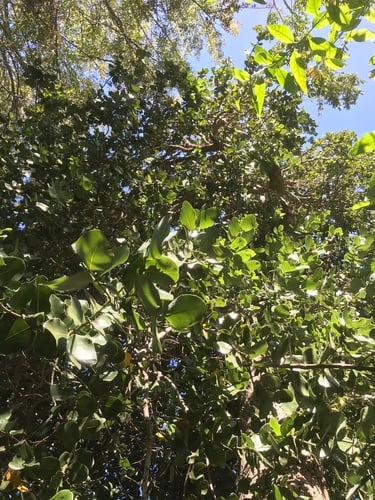
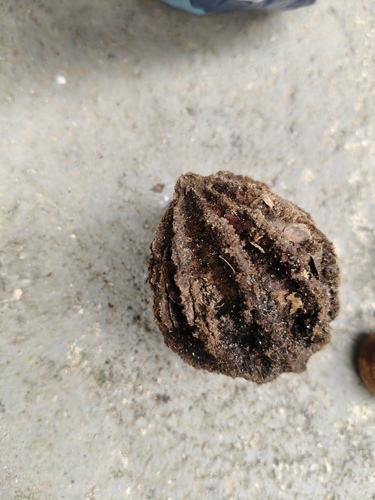
Cinnamomum travancoricum
Gamble
gbif· cc-by
French Institute of Pondicherry
gbif· cc-by
French Institute of Pondicherry
gbif· cc-by
French Institute of Pondicherry
Description
A tropical tree in the Lauraceae family native to warm regions, valued for its aromatic spice.
This description is brief — help expand it
Edible Uses
The spice is used as a culinary ingredient.
Medicinal Uses
The plant (part not specified) is used for treating wounds, fevers, intestinal worms, headaches and menstrual problems. The bark yields around 1.2% essential oil. This has been shown to be an effective antifungal against several fungus species, with total inhibition of Aspergillus flavus, Penicillum notatum and Candida albicans.
Distribution
It is a tropical plant.
Where It Grows
Asia, India,
Cultivation
Species in this genus generally prefer an acidic soil with ample moisture in the growing season and a position with some shade. Species in this genus are generally able to resprout from basal wood if the top is damaged, and will soon recover from any damage. The bark and leaves are aromatic.
Propagation
Seed - the seed of species in this genus generally has a short viability and is best sown as soon in containers as it is ripe. Remove the fruit pulp since this can inhibit germination. Soaking the seeds for 24 hours in lukewarm water hastens germination, which can take 1 - 6 months at 20°c. The germination rate of fresh seed is about 50%, falling to 25% for seed 6 months old, and zero for those 1 year old. Stored seed should be sown as soon as possible in containers. When they are large enough to handle, prick the seedlings out into individual pots and plant them out into their permanent positions when 10cm or more tall. Cuttings of semi-ripe side shoots, 7cm with a heel, in a frame with bottom heat.
Also Known As
Thirali
References (1)
- Mary, S. S. et al, 2014, Vascular Plant Diversity in the Tribal Homegardens of Kanhakumari Wildlife Sanctuary, Southern Western Ghats. Bioscience Discovery 5(1): 99-111