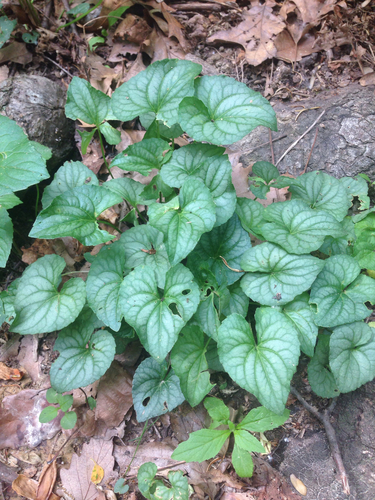
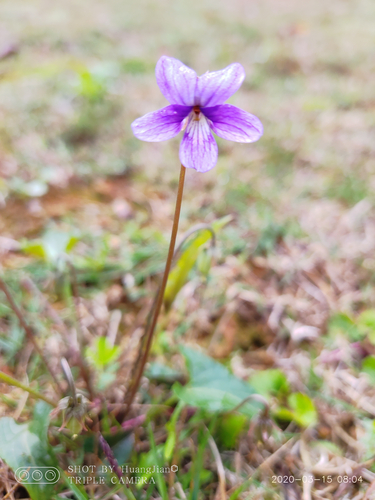
Viola nephrophylla
Greene
Northern bog violet
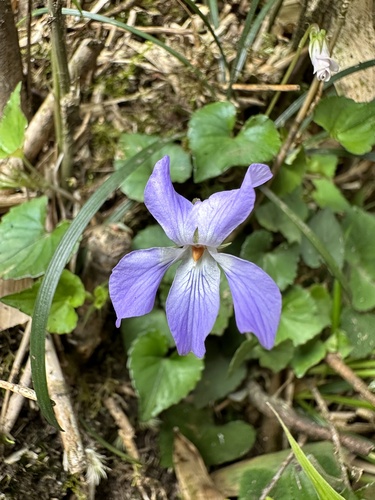
iNaturalist· cc-by-nc
(c) Matthias Buck, some rights reserved (CC BY-NC)
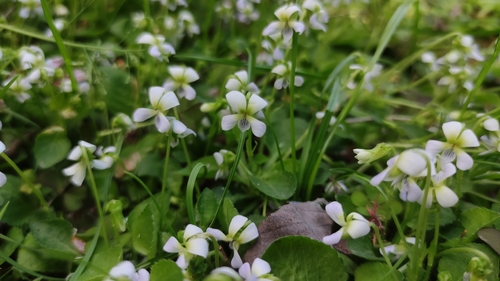
iNaturalist· cc-by-nc
(c) Matthias Buck, some rights reserved (CC BY-NC)
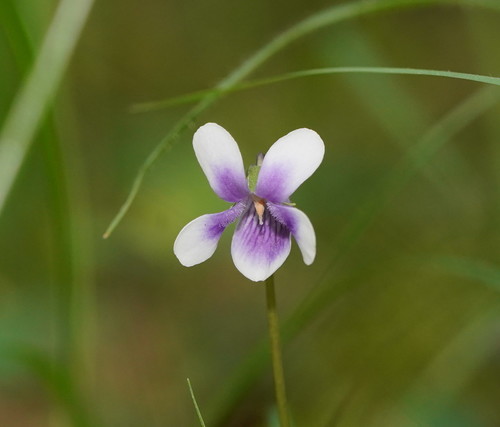
iNaturalist· cc-by-nc
(c) Matthias Buck, some rights reserved (CC BY-NC)
Summary
Source: WikipediaViola nephrophylla (northern bog violet, Leconte violet, or kidney leaved violet) syn. Viola nephrophylla Greene f. albinea (Farw.), Viola pratincola Greene, Viola retusa Greene, is an annual or perennial forb in the Violet family (Violaceae) native to North America. Viola nephrophylla was named by Edward Lee Greene in 1896 from specimens he collected near Montrose, Colorado. The species name, nephrophylla, is from the Greek for "kidney shaped leaves". Its habitats include moist meadows and open woods.
Description
A temperate herbaceous plant in the Violaceae family that grows in moist places.
This description is brief — help expand it
Edible Uses
The flowers and young leaves are eaten fresh and also made into tea.
Traditional Uses
The flowers and young leaves are eaten and also made into tea.
This uses section is brief — help expand it
Distribution
It is a temperate plant. It grows in moist places.
Synonyms
References (1)
- Kermath, B. M., et al, 2014, Food Plants in the Americas: A survey of the domesticated, cultivated and wild plants used for Human food in North, Central and South America and the Caribbean. On line draft. p 914