Viola nuttallii
Pursh
Nuttall's violet, Yellow prairie violet
iNaturalist· cc-by-nc
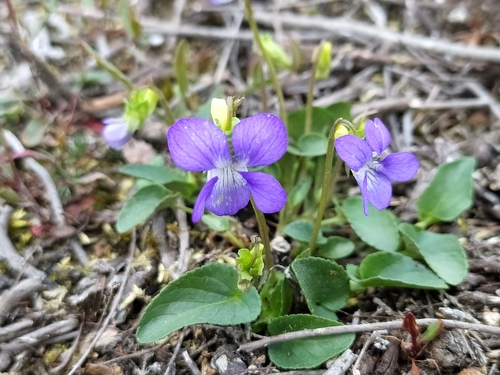
(c) Lori Skulski, some rights reserved (CC BY-NC)
iNaturalist· cc-by-nc
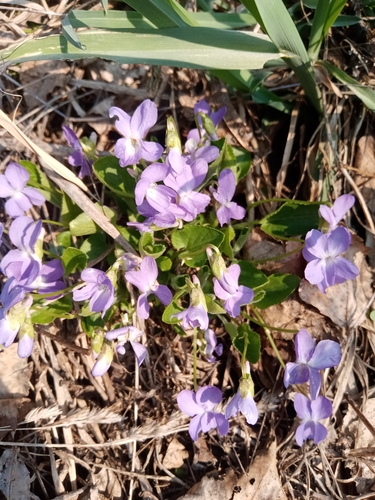
(c) Lori Skulski, some rights reserved (CC BY-NC)
iNaturalist· cc-by-nc
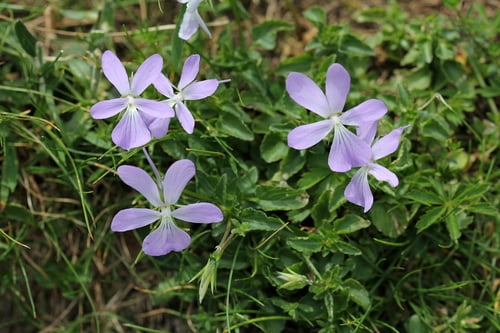
(c) Lori Skulski, some rights reserved (CC BY-NC)
Summary
Source: WikipediaViola nuttallii (Nuttall's violet or yellow prairie violet) is a perennial herbaceous plant in the violet family (Violaceae), and is one of the few violet species with lanceolate leaves. It is native to the western Canada and the north-central and western United States, appearing in upper steppe lands, forests, and alpine ridges. The genus name Viola means violet in Latin. For Nuttall's violet the only purple coloring is the nectar guides in the throat of the flower. The species name is given in honor of noted botanist Thomas Nuttall. The plant is highly variable, usually with bright yellow petals. The veined, elliptical leaves are 2.5–10 centimeters (1–4 in) long. The species serves as a larval host for the Coronis fritillary butterfly. The leaves and flowers of the plant are edible as well as high in vitamins A and C. However, the rhizomes, fruits, and seeds are high in saponins and should not be eaten.
Description
A temperate herb in the Violaceae family with edible young leaves and flowers.
This description is brief — help expand it
Edible Uses
The young leaves and flowers are eaten fresh and made into tea.
Traditional Uses
The young leaves and flowers are eaten and made into tea.
This uses section is brief — help expand it
Distribution
It is a temperate plant.
Where It Grows
North America, USA,
References (1)
- Kermath, B. M., et al, 2014, Food Plants in the Americas: A survey of the domesticated, cultivated and wild plants used for Human food in North, Central and South America and the Caribbean. On line draft. p 914