Viola obliqua
Aiton
Marsh blue violet
iNaturalist· cc-by
(c) Tom Scavo, some rights reserved (CC BY)
iNaturalist· cc-by
(c) Tom Scavo, some rights reserved (CC BY)
iNaturalist· cc-by
(c) Tom Scavo, some rights reserved (CC BY)
Description
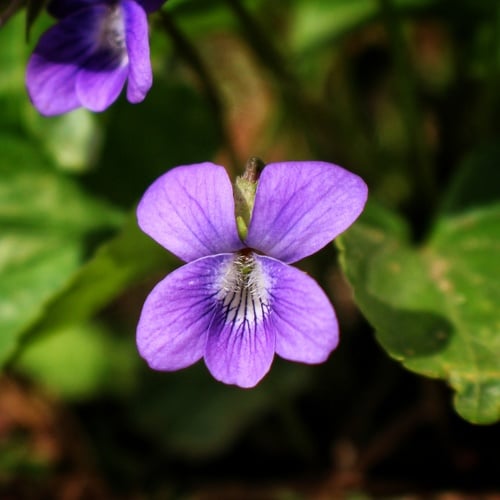
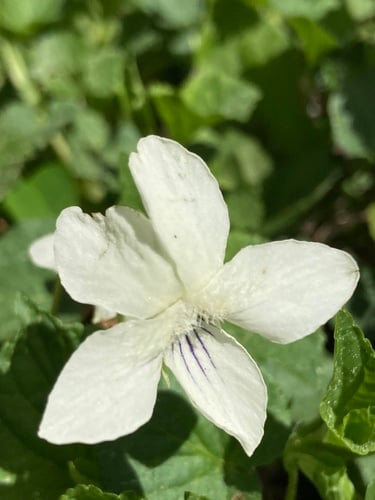
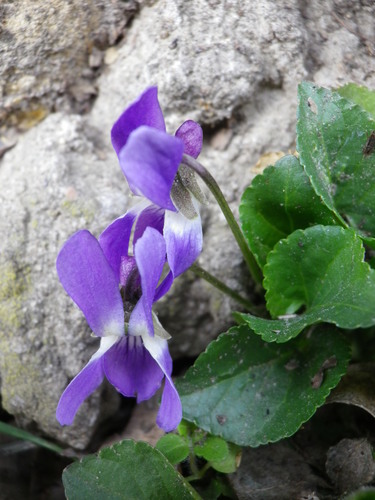
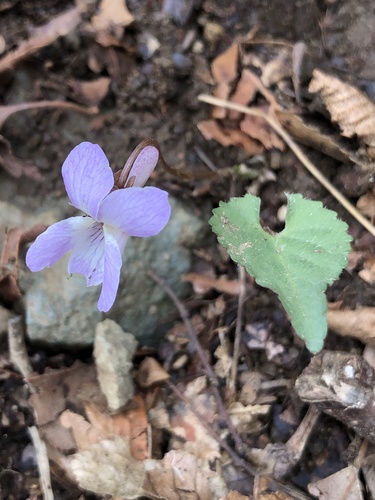
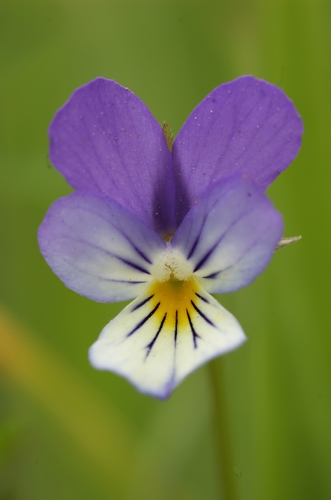
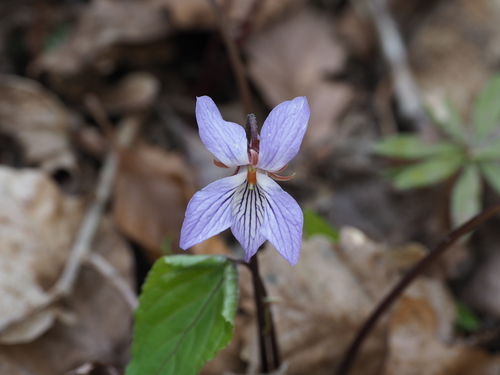
A small plant. It grows 10-15 cm high and spreads 20-40 cm wide. The leaves are oval and pointed or kidney shaped. They have shallow teeth. The leaves are 8 cm wide. The flowers have spurs and 5 petals. The flowers are 30 mm wide and are white with some tints or purple.
Edible Uses
Tender young leaves, stems, and flowers are added to tossed salads or cooked as potherbs. The leaves can be used as thickeners for soup.
Traditional Uses
The tender young leaves, stems and flowers are added to tossed salads. They are also cooked as potherbs. The leaves can be used as thickeners for soup.
Distribution
It is a temperate plant. It grows on wet soils. It suits hardiness zones 4-9.
Where It Grows
Australia, Canada, North America, USA,
Cultivation
Plants can be grown from sections of the rhizome or underground stem. It should be planted in wet soils.
Notes
There are about 500 Viola species.
Synonyms
References (6)
- Cundall, P., (ed.), 2004, Gardening Australia: flora: the gardener's bible. ABC Books. p 1474 (As Viola cucullata)
- Hibbert, M., 2002, The Aussie Plant Finder 2002, Florilegium. p 307 (As Viola cucullata)
- Hort. kew. 3:288. 1789 (As Viola cucullata)
- Kermath, B. M., et al, 2014, Food Plants in the Americas: A survey of the domesticated, cultivated and wild plants used for Human food in North, Central and South America and the Caribbean. On line draft. p 914 (As Viola cucullata)
- Plants for a Future database, The Field, Penpol, Lostwithiel, Cornwall, PL22 0NG, UK. (As Viola cucullata) http://www.scs.leeds.ac.uk/pfaf/
Show all 6 references Hide references
- Romanowski, N., 2007, Edible Water Gardens. Hyland House. p 117 (As Viola cucullata)