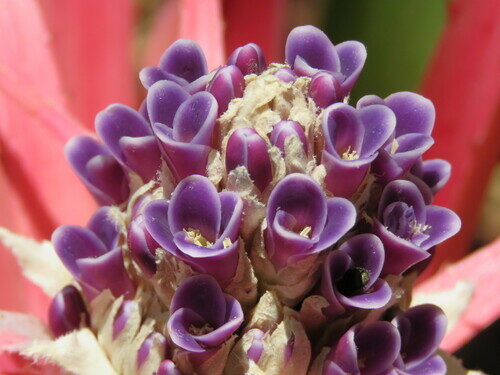
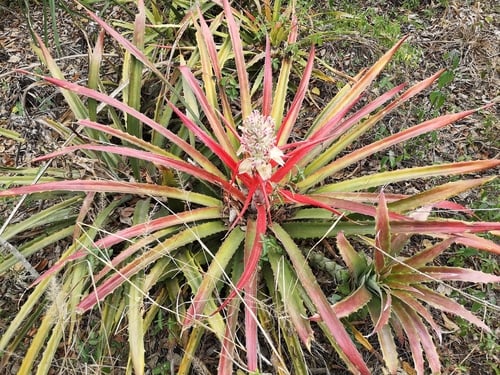
Puya raimondii
Harms
Queen of the Andes
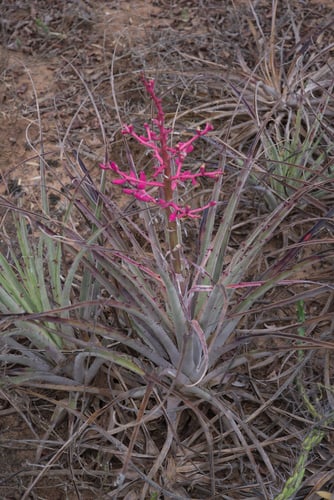
iNaturalist· cc-by-nc
(c) martishte, some rights reserved (CC BY-NC), uploaded by martishte
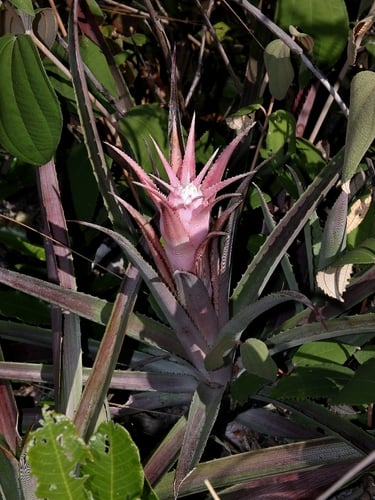
iNaturalist· cc-by-nc
(c) peperoque, some rights reserved (CC BY-NC)
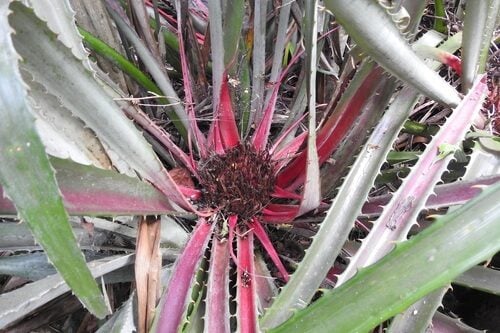
iNaturalist· cc-by
(c) David F. Belmonte, some rights reserved (CC BY), uploaded by David F. Belmonte
Summary
Source: WikipediaPuya raimondii, also known as the Queen of the Andes (English), titanka and ilakuash (Quechua) or puya de Raimondi (Spanish), is the largest species of bromeliad, its inflorescences reaching up to 15 m (50 ft) in height. It is native to the high Andes of Bolivia and Peru.
Description
A column like plant that grows 9.5 m tall. It dies after fruit is formed. The stem is simple and erect and 4 m tall by 60 cm wide. There is a dense ring of leaves. The leaves can be 1-1.25 m long. The leaf sheaths are 15 cm wide. The leaf blades are stiff and spreading and 9 cm wide. At first they have white scales. The flower stalk is 4.3 m long by 60 cm across.
Edible Uses
The inner core of the flower stalk is dried and powdered to use as a spice. The flower stalk pulp can be fermented into an alcoholic drink.
Traditional Uses
The inner core of the flower stalk is dried and powdered and used as a spice. The flower stalk pulp is fermented into an alcoholic drink.
This uses section is brief — help expand it
Distribution
It is a tropical plant. It grows in the high Andes. It grows between 2,400-4,050 m above sea level.
Where It Grows
Andes, Bolivia, Peru, South America,
Synonyms
References (1)
- Kermath, B. M., et al, 2014, Food Plants in the Americas: A survey of the domesticated, cultivated and wild plants used for Human food in North, Central and South America and the Caribbean. On line draft. p 729