Hechtia montana
Brandegee
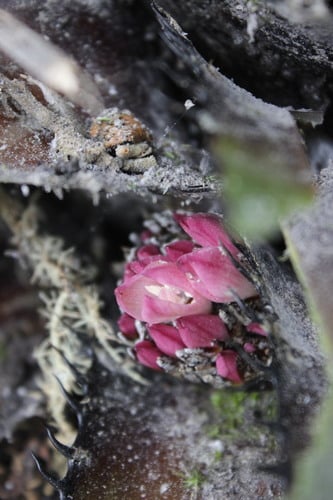
Hichiconi
iNaturalist· cc-by-nc
(c) Glenn Ehrenberg, some rights reserved (CC BY-NC), uploaded by Glenn Ehrenberg
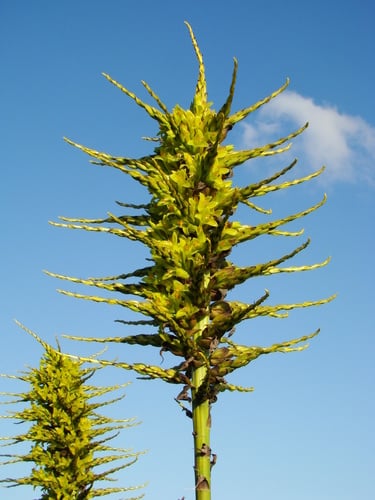
iNaturalist· cc-by-nc-sa
(c) Lauren Harter, some rights reserved (CC BY-NC-SA), uploaded by Lauren Harter
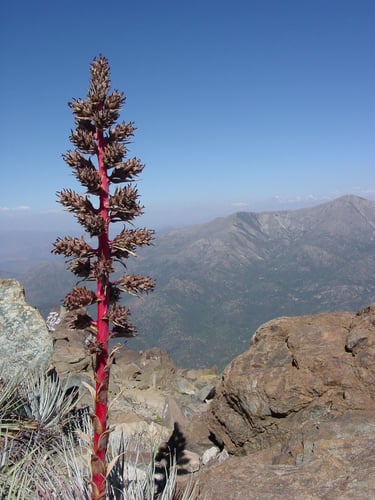
iNaturalist· cc-by-nc
(c) Glenn Ehrenberg, some rights reserved (CC BY-NC), uploaded by Glenn Ehrenberg
Summary
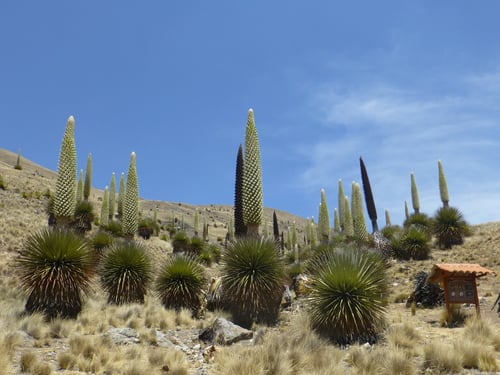
Source: WikipediaHechtia montana is a species of plant in the genus Hechtia. This species is endemic to Mexico. It is specifically native to the states of [[Sonora]] and [[Sinaloa]], where it typically grows in dry, rocky environments. The Latin specific epithet montana refers to mountains or coming from mountains. The plant is used as a traditional food source in Sonora, Mexico; the Guarijío call it hichiconi and roast the rosettes, eating them much like an artichoke, while the Tarahumara are said to give it the name chikani and eat the leaves raw year-round.
Description
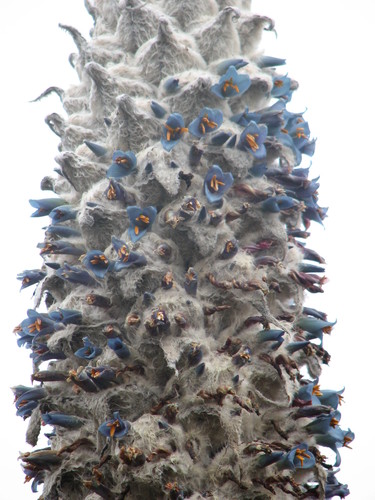
The plant grows about 1 m tall. There are several leaves in a dense ring. The leaves are 15-45 cm long.
This description is brief — help expand it
Edible Uses
The plant heart is roasted with the leaves burnt off, and the remainder is eaten.
Traditional Uses
The plant was roasted and all the leaves burnt off and the remainder eaten.
This uses section is brief — help expand it
Distribution
It is a tropical plant. It grows in arid and semiarid places.
Where It Grows
Mexico, North America,
Also Known As
Chikana, Haamxooii, Huidbori
References (2)
- Kermath, B. M., et al, 2014, Food Plants in the Americas: A survey of the domesticated, cultivated and wild plants used for Human food in North, Central and South America and the Caribbean. On line draft. p 406
- Yetman, D., 2002, The Guarijios of the Sierra Madre: Hidden People of Northwestern Mexico. University of New Mexico Press. p 186