Senegalia rugata
(Lam.) Britton & Rose
iNaturalist· cc-by-nc
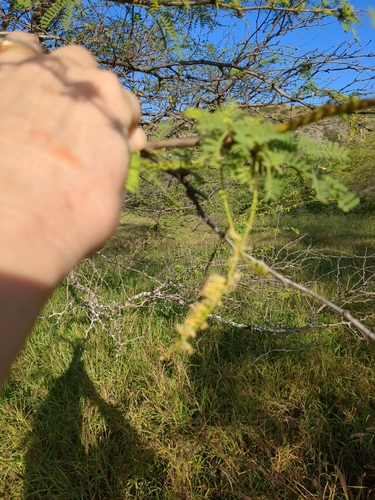
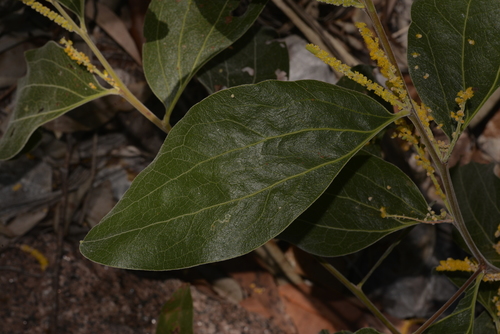
(c) Radha Veach, some rights reserved (CC BY-NC), uploaded by Radha Veach
iNaturalist· cc-by-sa
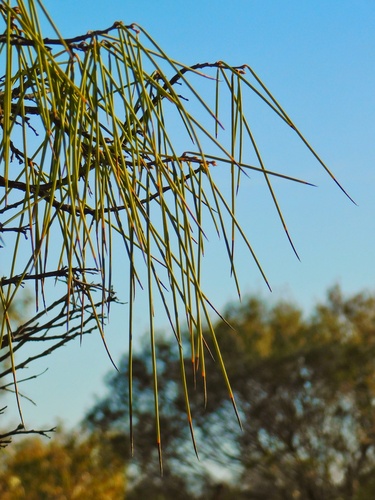
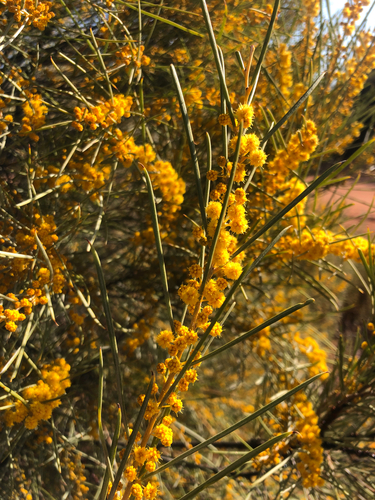
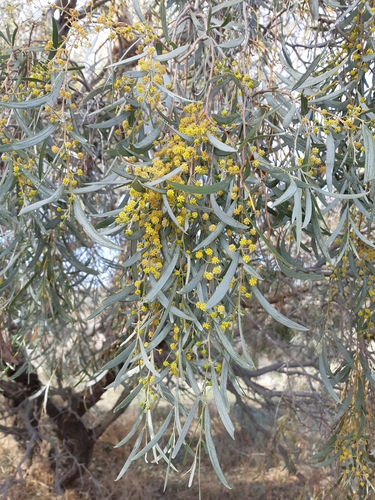
(c) Dinesh Valke, some rights reserved (CC BY-SA)
iNaturalist· cc-by-sa
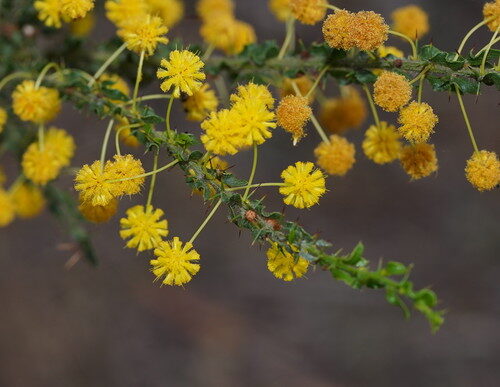
(c) Dinesh Valke, some rights reserved (CC BY-SA)
Summary
Source: WikipediaSenegalia rugata is a spiny climbing shrub native to China and tropical Asia, common in the warm plains of central and south India. It is renowned as a raw material for shampoo, and the leaves and young shoots are often eaten. Archaeobotanical evidence shows its use for hair care in the pre-Harrapan levels of Banawali, some 4500–4300 years ago.
Description
A woody climber or tree. It grows 8-18 m tall. It is usually hairy. It also has curved prickles.
This description is brief — help expand it
Edible Uses
The leaves are cooked and their acidic flavor is used in soups and chutneys. The fruit and flowers are also edible.
Traditional Uses
The leaves are cooked. They are acid and added to soups and chutneys.
This uses section is brief — help expand it
Medicinal Uses
The leaves are traditionally cooked and used as an acid addition to soups and chutneys.
Known Hazards
Especially in times of drought, many Acacia species can concentrate high levels of the toxin Hydrogen cyanide in their foliage, making them dangerous for herbivores to eat.
Distribution
It is a tropical plant.
Where It Grows
Asia, Australia, Cambodia, China, India, Laos, Myanmar, Papua New Guinea, PNG, Philippines, SE Asia, Thailand, Vietnam,
Cultivation
This species has a symbiotic relationship with certain soil bacteria, these bacteria form nodules on the roots and fix atmospheric nitrogen. Some of this nitrogen is utilized by the growing plant but some can also be used by other plants growing nearby.
Propagation
The seed of most, if not all, members of this genus has a hard seedcoat and may benefit from scarification before sowing to speed up germination. This can usually be done by pouring a small amount of nearly boiling water on the seeds (being careful not to cook them!) and then soaking them for 12 - 24 hours in warm water. By this time they should have imbibed moisture and swollen - if they have not, then carefully make a nick in the seedcoat (being careful not to damage the embryo) and soak for a further 12 hours before sowing. Acacia seeds that have matured fully on the bush and have been properly dried have a hard seed coat and can be stored in closed containers without deterioration for 5 - 10 years or more in dry conditions at ambient temperatures. It is best to remove the aril, which attracts weevils and can lead to moulds forming. The arils are easilyremoved by placing the seeds in water and rubbing them between the hands, then drying the seeds and winnowing them.
Other Uses
The bark is a source of tannins. This plant is important for its tannins. Bark harvested for its tannins should only be taken from mature stems, and only when the sap is rising at the beginning of the growing season - which is when the tannin content is highest and the bark is most easily removed from the wood. The pods are rich in saponins. They are widely used in India as a detergent for washing silks and woollen goods, and are also very commonly used for washing the hair. They are very effective in cleaning tarnished silver plates. It is said that yarn washed with these pods prior to being dyed will produce much better results from the dyeing.
Synonyms
References (2)
- Ferns, Useful Tropical Plants.
- World Checklist of Useful Plant Species 2020. Royal Botanic Gardens, Kew