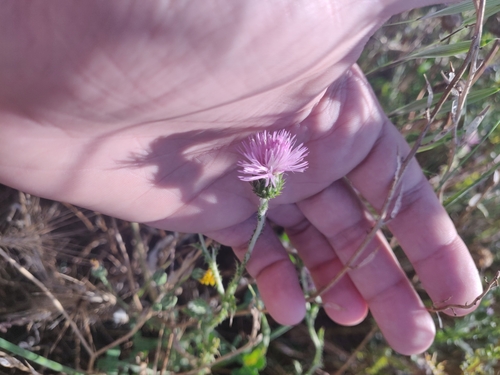
Heliopsis buphthalmoides
(Jacq.) Dunal
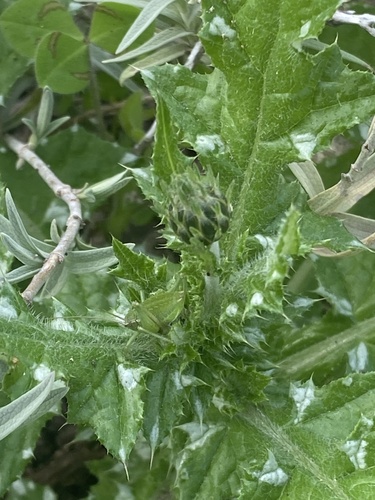
iNaturalist· cc-by
(c) Skjold Søndergaard, some rights reserved (CC BY), uploaded by Skjold Søndergaard
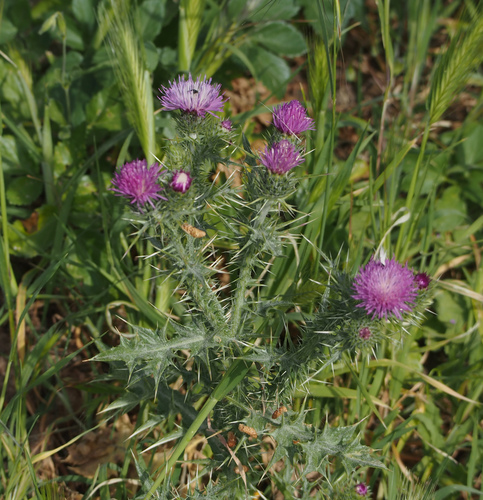
iNaturalist· cc-by
(c) Skjold Søndergaard, some rights reserved (CC BY), uploaded by Skjold Søndergaard
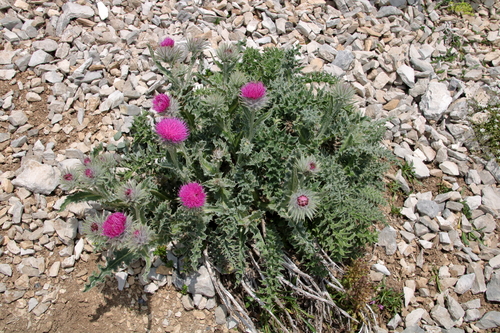
iNaturalist· cc-by-sa
(c) Eugenio Padilla, some rights reserved (CC BY-SA), uploaded by Eugenio Padilla
Summary
Source: WikipediaHeliopsis buphthalmoides is a New World species of flowering plant in the family Asteraceae. It is the only member of its genus native to both North America and South America. It is found in Mexico (from Durango and Sinaloa south to Chiapas), all 7 countries of Central America, and western South America (Colombia, Venezuela, Perú, and Bolivia).
Description
A herb in the Asteraceae family found in tropical regions.
This description is brief — help expand it
Edible Uses
The fresh leaves are used in salads, and the dried leaves are ground and used as a flavouring.
Traditional Uses
The dried leaves are ground and used as a flavouring. The fresh leaves are used in salads.
This uses section is brief — help expand it
Medicinal Uses
A tea made from the plant (part not specified) is used as a treatment for coughs. A bath made with an infusion of the crushed leaves is used to treat 'la holanda' (a disease caused by a virus) in children. An infusion of the crushed plant, mixed with 'chuko' and plum, is used to refresh the kidneys. An infusion of the plant is used for cold and pain. The flowers are used to treat indeterminate conditions. The flowers, crushed along with "pichana", are used to soothe toothache. The leaves, flowers and stem cure infections in the mouth. It serves as a medicine for scurvy.
Distribution
It is a tropical plant.
Where It Grows
Andes, Ecuador, Peru, South America,
Synonyms
Also Known As
Botoncillo grande
References (1)
- Kermath, B. M., et al, 2014, Food Plants in the Americas: A survey of the domesticated, cultivated and wild plants used for Human food in North, Central and South America and the Caribbean. On line draft. p 412