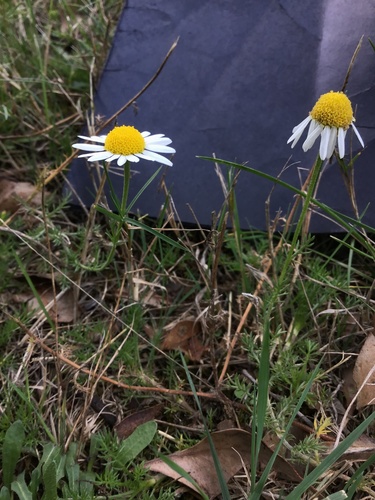
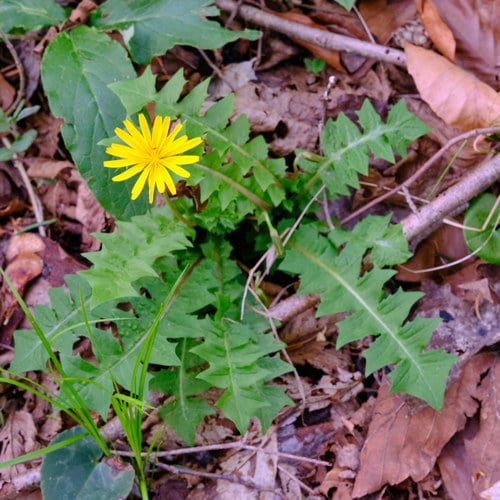
Dahlia sherffii
P. D. Sorensen
iNaturalist· cc-by-nc
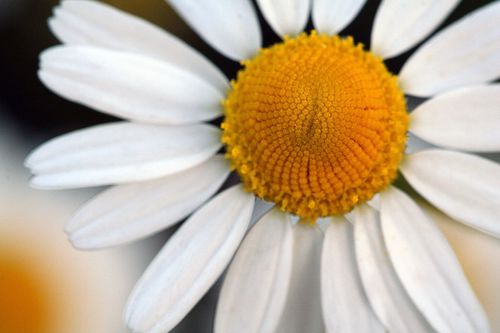
(c) Alejandra Peña Estrada, some rights reserved (CC BY-NC), uploaded by Alejandra Peña Estrada
iNaturalist· cc-by-nc
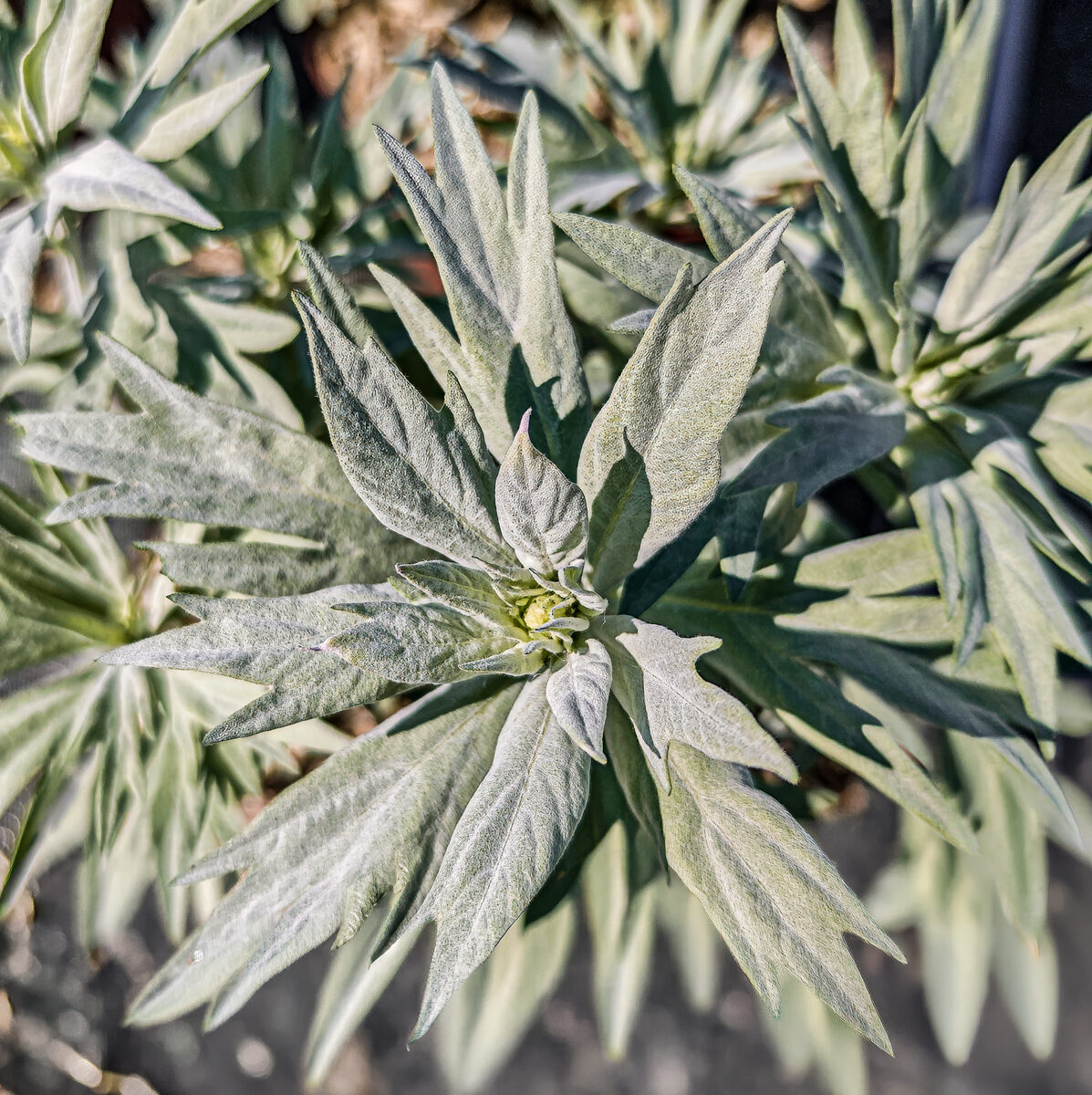
(c) Alejandra Peña Estrada, some rights reserved (CC BY-NC), uploaded by Alejandra Peña Estrada
iNaturalist· cc-by-nc
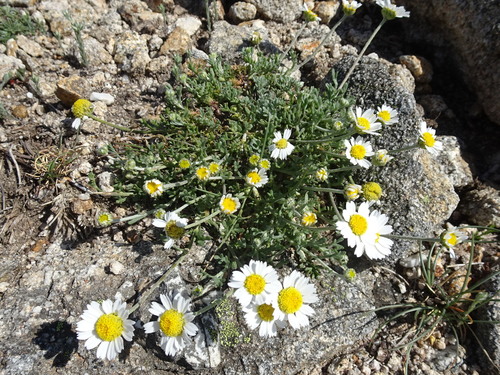
(c) Heriberto Ávila-González, some rights reserved (CC BY-NC), uploaded by Heriberto Ávila-González
Description
A tropical herb in the daisy family with long, thin tubers as roots.
This description is brief — help expand it
Edible Uses
The long thin tuberous roots are eaten fresh or cooked. There are contradictory reports regarding the edibility of Dahlia tubers, ranging from sweet and juicy to extremely bitter, hot and dry tasting and virtually inedible. This could be due to the time of year the tubers are harvested. If gathered at the beginning of the rainy season - after the inulin had been converted by enzymatic action to produce fruit sugar and before the rapid growth of the tall stalk had depleted the tubers of food - then the tubers would, indeed, have been sweet tasting and juicy. In the second case, if the tubers were gathered late in the growing season or at the beginning of the dry season - before the return of the plants’ food and water resources back into the tubers for storage -then the medicinal constituents of the depleted tubers (especially the skin) could have been expected to give a potent and unpleasant taste. In short, dahlia tubers to be eaten raw immediately should be harvested in the spring, and those intended for medicinal use should be gathered later in the summer when the growing season is well advanced but before the start of the dry season and those intended for baking or storage as food should be gathered well after the start of the dry season when the upper parts of the plant have wilted down in the manner of potato stalks and the tubers are full of inulin, which keeps well.
Distribution
It is a tropical plant.
Where It Grows
Mexico,
Cultivation
Most Dahlia species in Mexico grow at moderate to higher elevations, typically above 2,100 metres in southern Mexico, where there can be rapid changes in temperature, but no frosts. The dahlia’s home area in the volcanic highlands of southern Mexico is hot and dry during the winter months but the rainy season during summer is characterized by afternoon thunderstorms. Also, dahlias are adapted to grow while being bathed in dew from the low hanging clouds. Dahlia species in the wild are generally found on well-drained hillsides, rough banks and cliffs. The soil is typically a soft, porous and sandy loam with a gravelly subsoil which is often volcanic and mildly acidic. Dahlia tubers are worth some experimentation as a root crop either for food or for sugar production since their root sugar content is quite respectable even without artificial selection. For example, up to 15 sweet potato-sized tubers, containing as much as 13% fruit sugar, can be produced by a single plant in one season under optimum conditions. This high sugar content, even among wild dahlias, compares favorably with sugar beets, even though sugar beets have been scientifically selected so that their sugar content has been increased from 7% to 20%. Such scientific breeding could lead to a similar increase in the sugar content of dahlias if they become recognized as a worthwhile agricultural plant.
Propagation
Seed - usually germinates in 1 - 3 weeks at 20°c. When they are large enough to handle, prick the seedlings out into individual pots and grow them on until large enough to plant out. Cuttings of young shoots as new growth begins. Division of the tubers when dormant. Each portion should have a growing point.
Also Known As
Amari, Camote
References (1)
- Kermath, B. M., et al, 2014, Food Plants in the Americas: A survey of the domesticated, cultivated and wild plants used for Human food in North, Central and South America and the Caribbean. On line draft. p 296