Dahlia imperialis
Roezl ex Ortgies
Giant Dahlia, Tree dahlia
iNaturalist· cc-by
(c) Neptalí Ramírez Marcial, some rights reserved (CC BY), uploaded by Neptalí Ramírez Marcial
iNaturalist· cc-by
(c) Neptalí Ramírez Marcial, some rights reserved (CC BY), uploaded by Neptalí Ramírez Marcial
iNaturalist· cc-by
(c) Neptalí Ramírez Marcial, some rights reserved (CC BY), uploaded by Neptalí Ramírez Marcial
Summary
Source: WikipediaDahlia imperialis, or bell tree dahlia, is a large flowering plant of the family Asteraceae, native to the Americas.
Description
A herb which keeps growing from year to year. It grows 3-5 m high. The leaves are 20-25 cm long and have leaflets along the stalk. The leaflets are 5 cm long. They are downy. The leaflets have teeth along the edge. The leaf stalk forms a sheath around the stem at the base. The flowers are yellow in the centre and violet, pink or white on the outside. The flowers are 12 cm across.
Edible Uses
Many tuberous dahlia can be prepared and consumed like potatoes or cooked carrots. Additionally, the petals can be eaten on green salads or soups, and tree dahlia leaves are used as a dietary supplement by the Q'eqchi' people of San Pedro Carchá, Alta Verapaz, Guatemala.
Traditional Uses
The roots are ground and added to coffee like chicory. The young leaves are eaten.
This uses section is brief — help expand it
Medicinal Uses
Used as medicinal plant (part used not specified), to lower fever, to treat kidney problems and oral infections
Distribution
A tropical plant. It needs moderate moisture and a fertile, well drained soil. It can grow in full sun or light shade. It suits plant hardiness zones 8-10.
Where It Grows
Asia, Australia, Central America, Colombia*, Costa Rica, Guatemala, Honduras, India, Indonesia, Mexico*, Myanmar, North America, Panama, SE Asia, South America,
Cultivation
Plants can be grown from seeds and cuttings.
Propagation
Seed - usually germinates in 1 - 3 weeks at 20°c. When they are large enough to handle, prick the seedlings out into individual pots and grow them on until large enough to plant out. Cuttings of young shoots as new growth begins. Division of the tubers when dormant. Each portion should have a growing point.
Other Uses
The straight, hollow stems are traditionally used as water pipes. The stems can be up to 10cm in diameter. The plants are grown as living fences to mark boundaries and keep out unwanted animals. The flowers are a good source of nectar for bees.
Synonyms
Also Known As
Catalina, Catarina, Dahlia giganton, Tree Dahlia, Tzoloj
References (8)
- Chizmar Fernandez, C., et al, 2009, Plantas comestibles de Centroamerica. Instituto de Biodiversidad, Costa Rica. p 111
- Cundall, P., (ed.), 2004, Gardening Australia: flora: the gardener's bible. ABC Books. p 466
- Gartenflora 12:243, t. 407. 1863
- Hellmuth, N. M., 2013, Maya Ethnobotany. FLAAR Reports. p 16
- Kermath, B. M., et al, 2014, Food Plants in the Americas: A survey of the domesticated, cultivated and wild plants used for Human food in North, Central and South America and the Caribbean. On line draft. p 296
Show all 8 references Hide references
- Llamas, K.A., 2003, Tropical Flowering Plants. Timber Press. p 129
- Piedra-Malagón, E. M. et al, 2022, Edible native plants of the Gulf of Mexico Province. Biodiversity Data Journal 10: e80565 p 13
- Sukarya, D. G., (Ed.) 2013, 3,500 Plant Species of the Botanic Gardens of Indonesia. LIPI p 620
More from Asteraceae
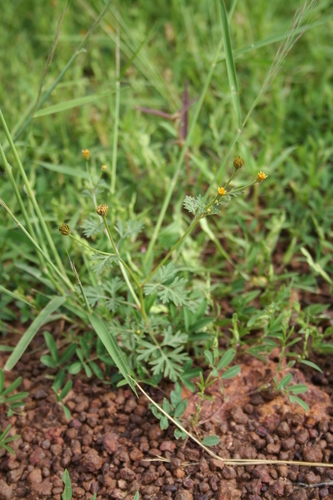
Chrysanthellum indicum
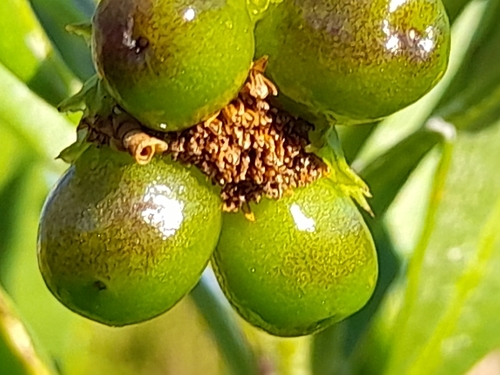
Chrysanthemoides monilifera
Boneseed
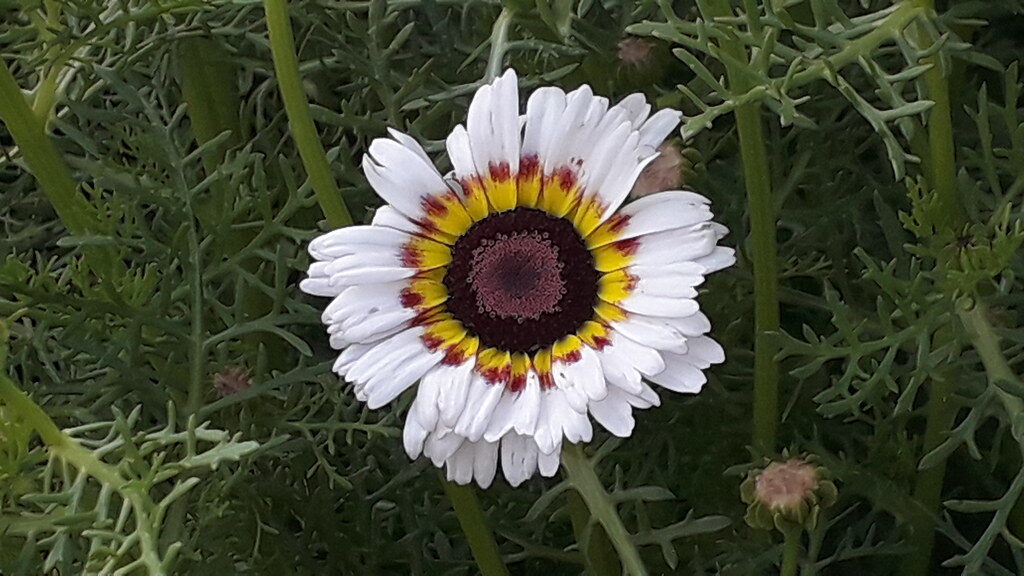
Chrysanthemum carinatum
Tricolor Chrysanthemum, Painted Daisy, Summer Chrysanthemum
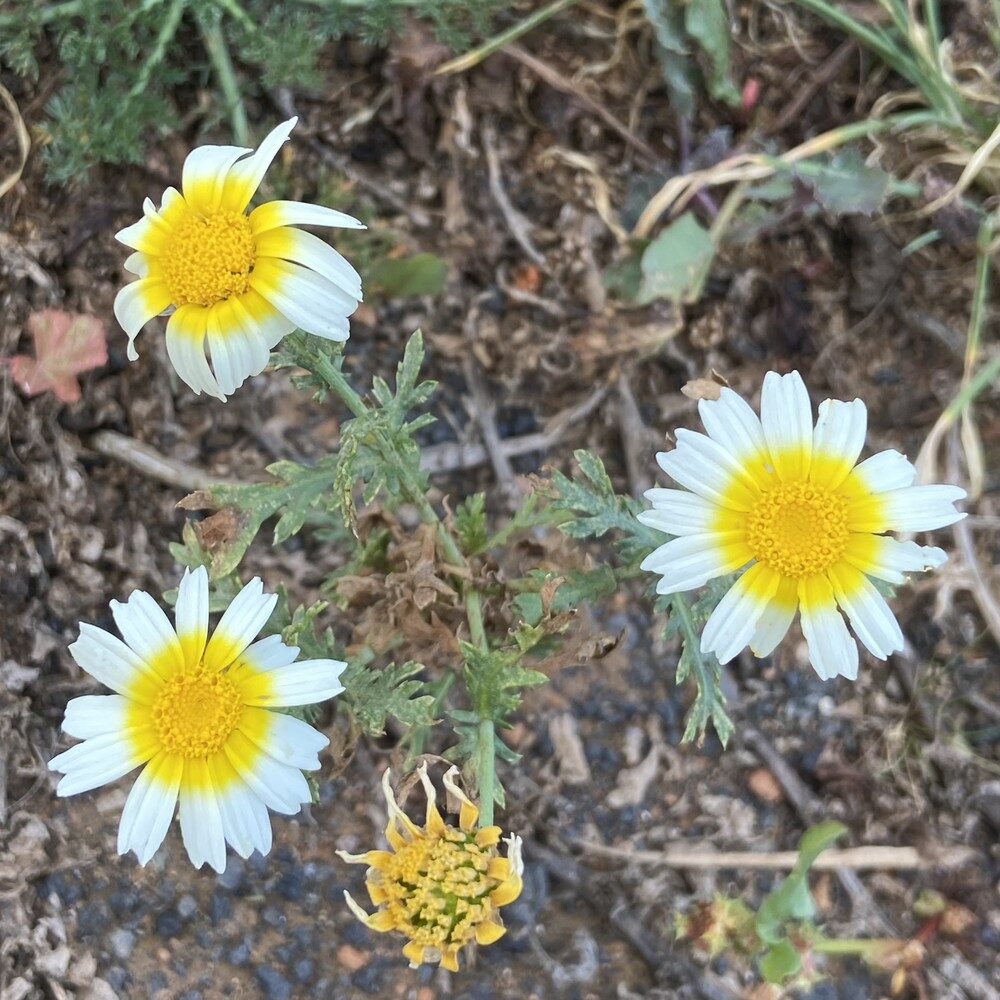
Chrysanthemum coronarium
Chop-Suey Greens
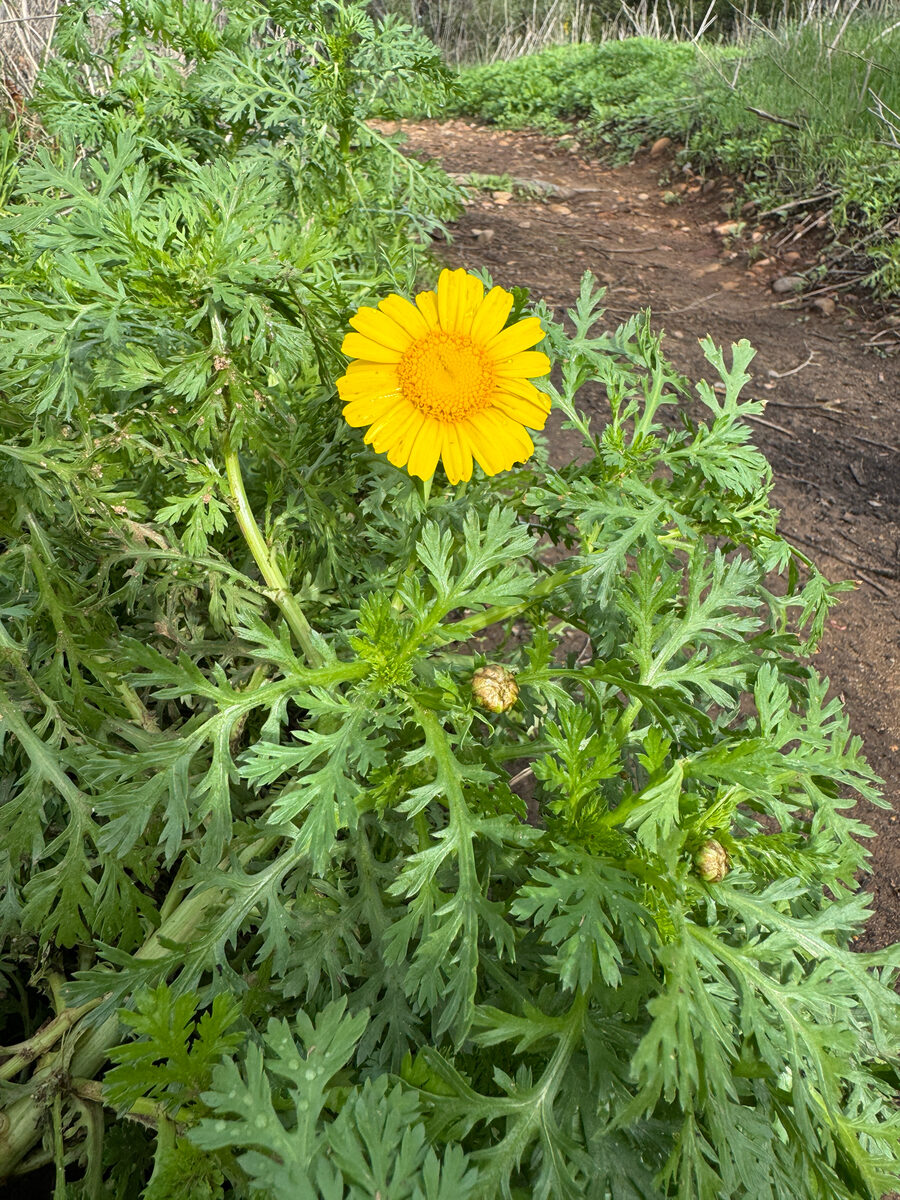
Chrysanthemum coronarium spatiosum
Chop-Suey Greens
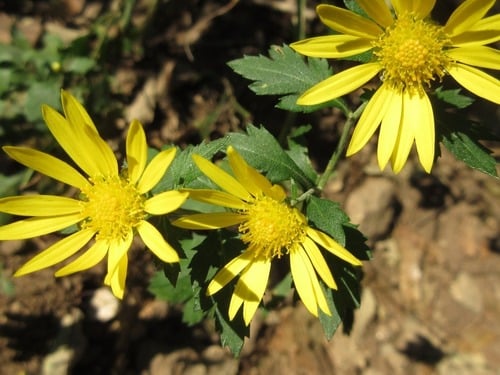
Chrysanthemum indicum
Wild Chrysanthemum, Mother chrysanthemum