Dahlia variabilis
(Willd.) Desf.
Dahlia
iNaturalist· cc-by-nc
(c) Alejandro M S, some rights reserved (CC BY-NC)
iNaturalist· cc-by-nc
(c) gg_copen, some rights reserved (CC BY-NC)
iNaturalist· cc-by-nc
(c) kathysol, some rights reserved (CC BY-NC)
Description
A plant that keeps growing from year to year. It grows 2 m high and spreads 1 m wide. The stems are stout, erect and succulent. The leaves are divided and have oval leaflets that taper to the tip. There are teeth around the edge. The flowers have many petals. They are at the top of the plant.
Edible Uses
The flowers are used in salads, and both flowers and seeds are edible.
Traditional Uses
The flowers are used in salads.
This uses section is brief — help expand it
Known Hazards
The plant's phytostabilization properties regarding arsenic could lower the risk of the harmful carcinogen to humans.
Distribution
It is a warm temperate plant. It is best in light to medium, well-drained soils. It needs an open sunny position. It is frost resistant but damaged by drought.
Where It Grows
Africa, Asia, Australia, Central America, East Africa, Europe, Guatemala, Mexico*, North America, Spain, Sri Lanka, Zambia,
Cultivation
Plants can be grown by seeds or by dividing the tubers.
References (6)
- Benvenuti, S. & Mazzoncini, M., 2021, The Biodiversity of Edible Flowers: Discovering New Tastes and New Health Benefits. Frontiers in Plant Science Article 569499. (As Dahlia mignon)
- Bodkin, F., 1991, Encyclopedia Botanica. Cornstalk publishing, p 320
- Fowler, D. G., 2007, Zambian Plants: Their Vernacular Names and Uses. Kew. p 76
- Guatemala thesis 19 - AppendixE
- Hedrick, U.P., 1919, (Ed.), Sturtevant's edible plants of the world. p 263
Show all 6 references Hide references
- Tabl. Ecole bot. ed. 3:182. 1829 (Cat. pl. hort. Paris)
More from Asteraceae
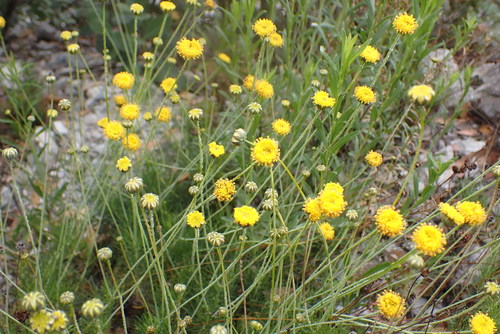
Thelesperma longipes
Navajo tea, Longstalk greenthread, Cota
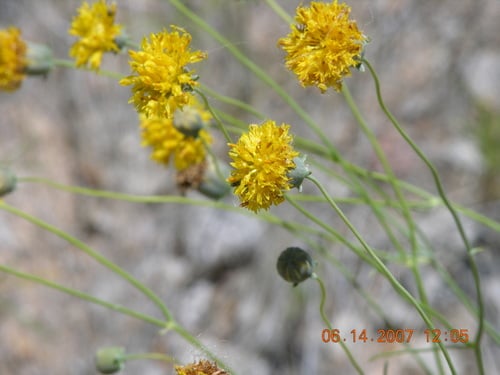
Thelesperma megapotamicum
Hopi tea, Navajo tea, Greenthread
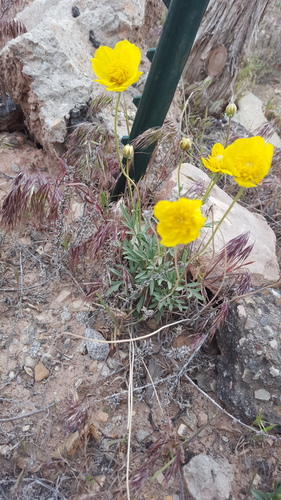
Thelesperma subnudum
Sand fringepod
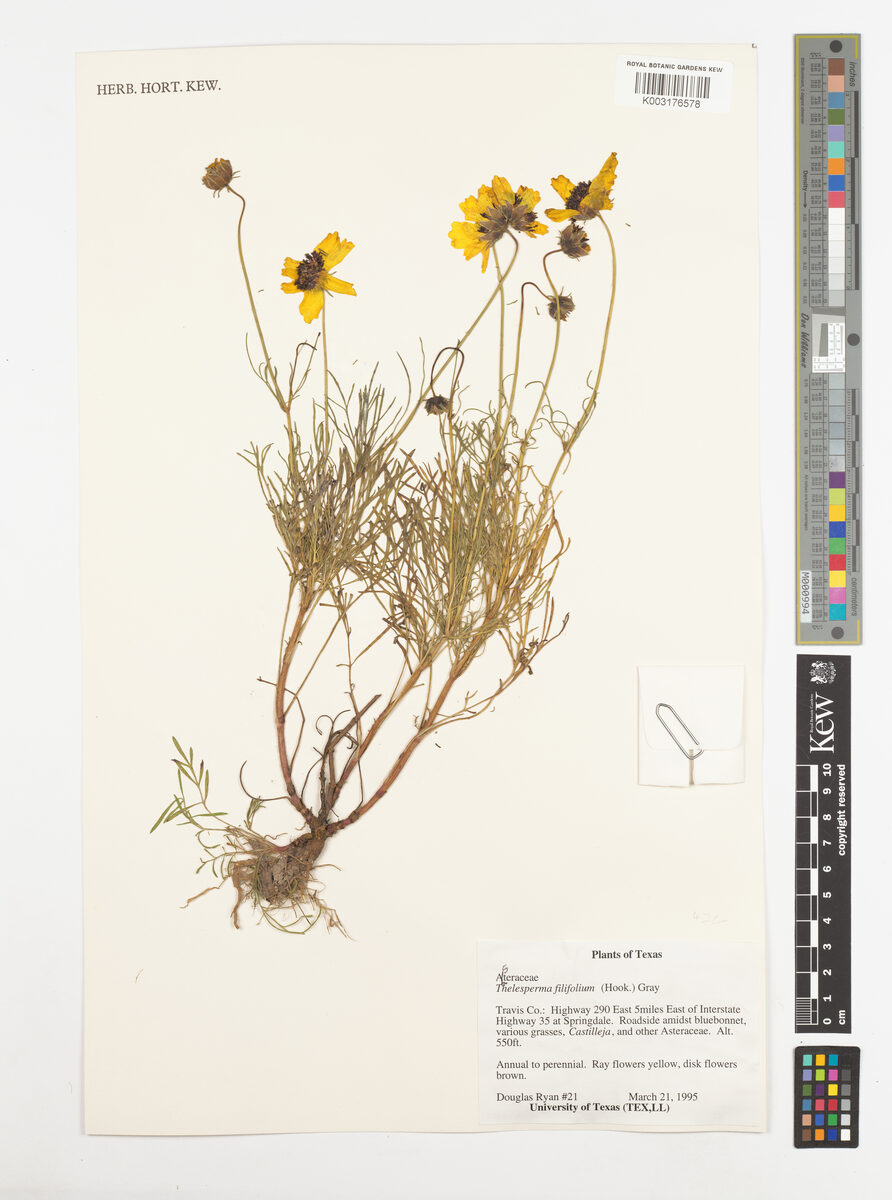
Thelesperma trifidum - (Poir.)Britton.
Stiff greenthread
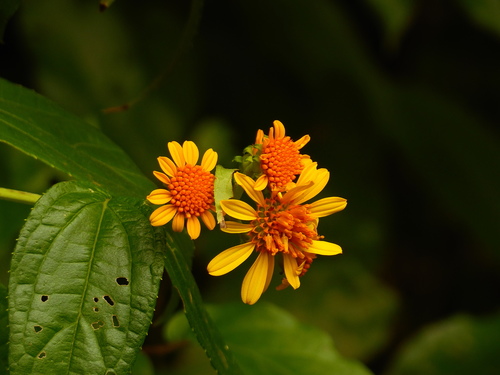
Tilesia baccata
Wild pine, Turtle food
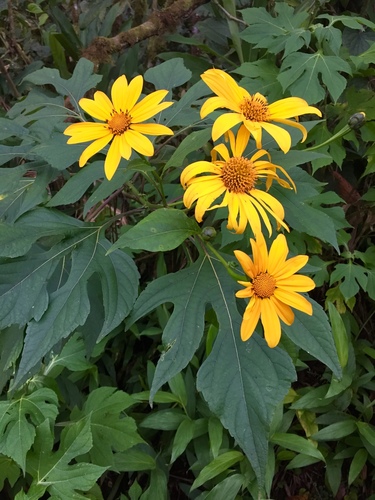
Tithonia diversifolia
Wild sunflower, Giant Mexican sunflower