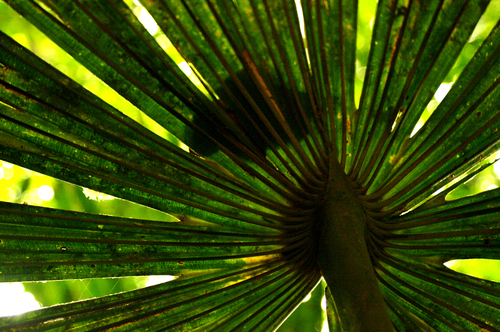
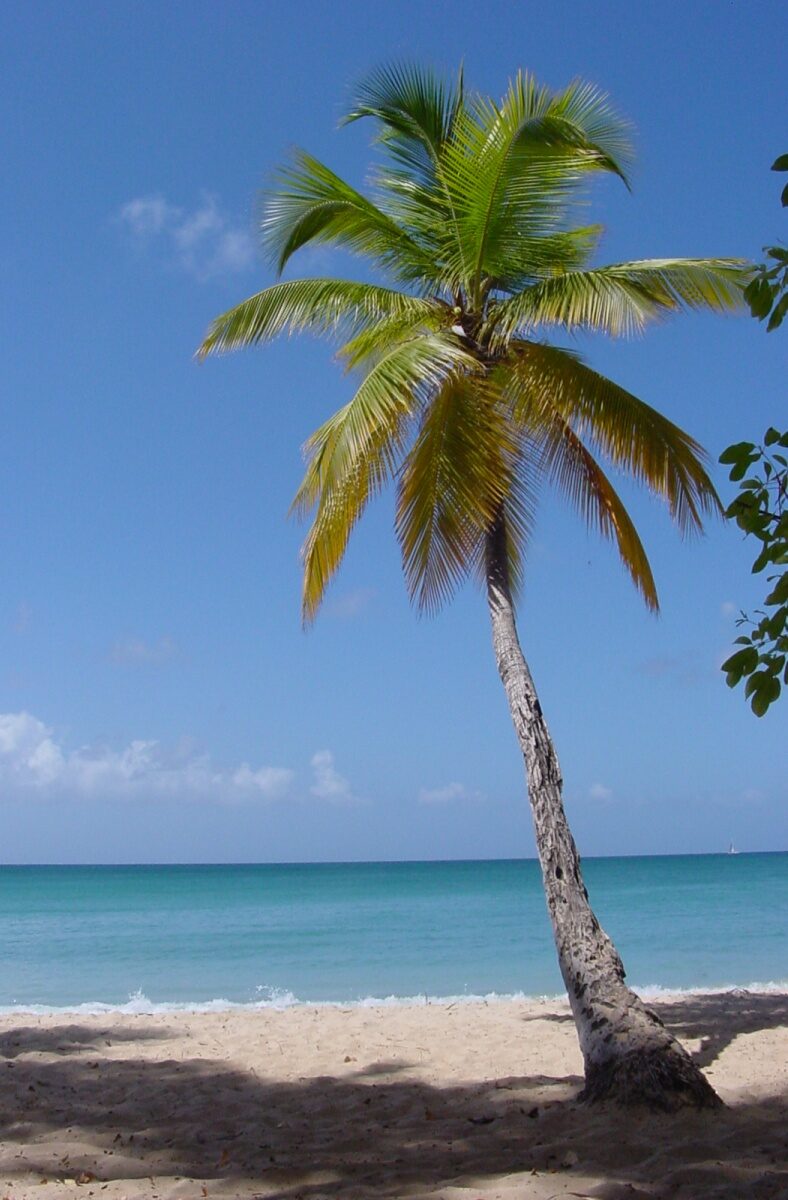
Geonoma maxima
(Poit.) Kunth
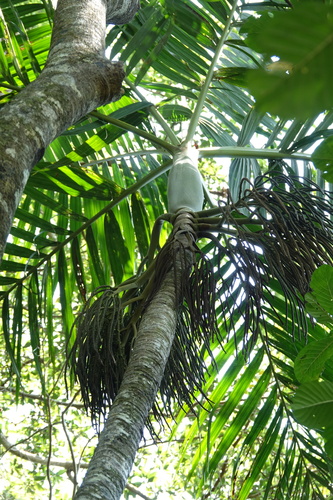
iNaturalist· cc-by
(c) Jens-Christian Svenning, some rights reserved (CC BY), uploaded by Jens-Christian Svenning
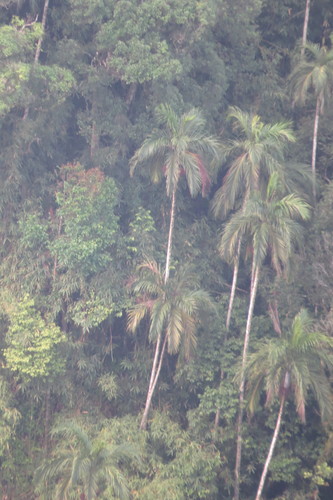
iNaturalist· cc-by-nc
(c) Hervé GALLIFFET, some rights reserved (CC BY-NC)
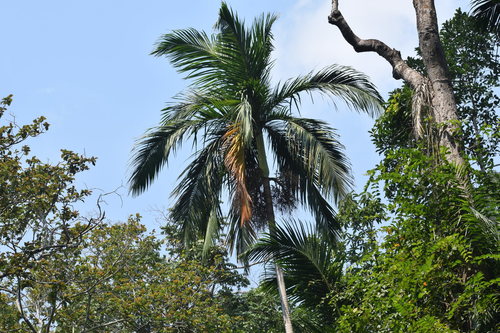
iNaturalist· cc-by-nc
(c) Hervé GALLIFFET, some rights reserved (CC BY-NC)
Summary
Source: WikipediaGeonoma maxima is a species of palm tree native to South America.
Description
A palm. It grows about 3 m tall. The stems are 1 cm across. It can occur singly or in a cluster. There are 9 leaves on a stem. The leaves are about 44 cm long and there are about 8 leaflets on each side. The fruit are 12 mm long by 9 mm wide.
Edible Uses
The leaves are burnt to produce vegetable salt, and the fruit is also edible.
Traditional Uses
The leaves are burnt for vegetable salt.
This uses section is brief — help expand it
Distribution
It is a tropical plant.
Where It Grows
Amazon, Bolivia, Brazil, Colombia, Ecuador, Guianas, Guyana, Peru, South America, Suriname, Venezuela,
Other Uses
The leaves are used for thatching.
Synonyms
Also Known As
Baru-baru, Palmeirinha, Palmicha, Pui paso
References (7)
- Grandtner, M. M. & Chevrette, J., 2013, Dictionary of Trees, Volume 2: South America: Nomenclature, Taxonomy and Ecology. Academic Press p 264
- Kermath, B. M., et al, 2014, Food Plants in the Americas: A survey of the domesticated, cultivated and wild plants used for Human food in North, Central and South America and the Caribbean. On line draft. p 389
- Marcia, M. J., et al, 2011, Palm Uses in Northwestern South America: A Quantitative Review. Bot. Rev. (2011) 77:462-570
- Palmpedia
- Roa, J. A. G. & Boada, D. S. G., 2018, Fundación para el Fortalecimiento de la Fruticultura y Plantas Alimenticias no Convencionales en Colombia.
Show all 7 references Hide references
- Torre, de la L., et al, 2008, Enciclopedia de las Plantas Útiles del Ecuador. Herbario QCA. Pontificia Universidad Católica del Ecuador. p 201
- World Checklist of Useful Plant Species 2020. Royal Botanic Gardens, Kew