Bentinckia condapanna
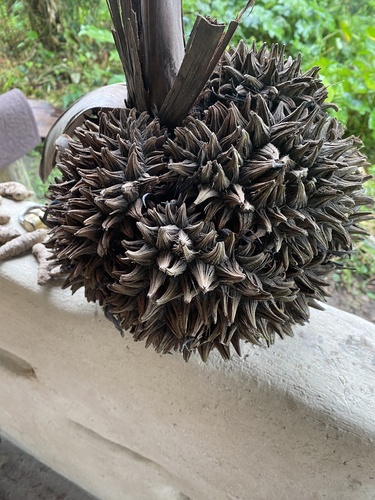
Berry
Hill arecanut
iNaturalist· cc-by-nc
(c) Balakrishnan Peroth, some rights reserved (CC BY-NC), uploaded by Balakrishnan Peroth
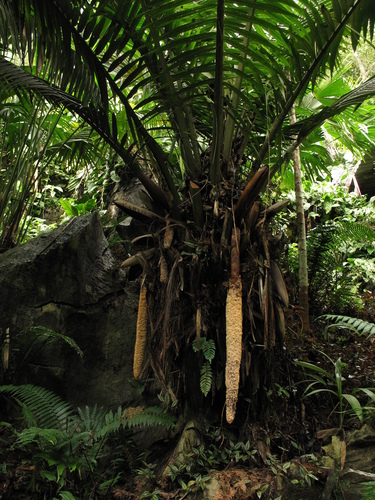
iNaturalist· cc-by
(c) Hopeland, some rights reserved (CC BY)
Summary
Source: WikipediaBentinckia condapanna, the hill areca nut, is a species of flowering plant in the family Arecaceae. It is found only in India. It is threatened by habitat loss. This palm is mainly found in the evergreen forests of Western Ghats of India.
Description
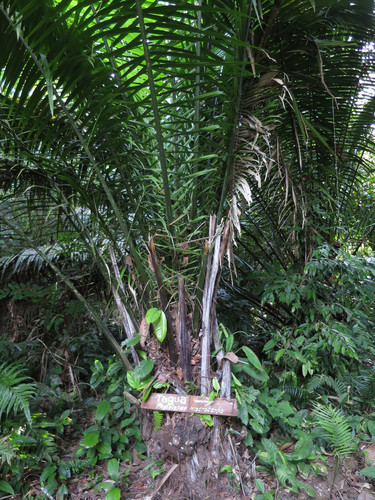
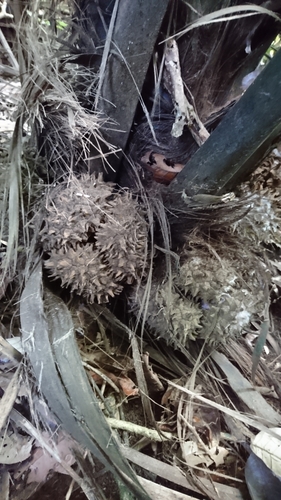
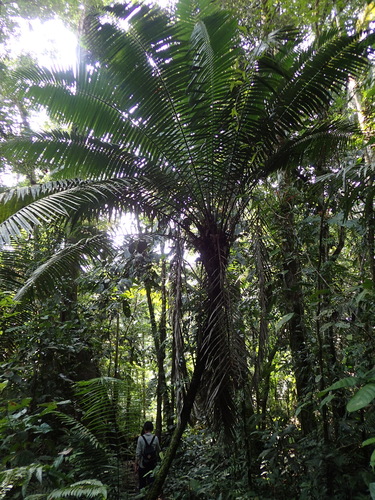
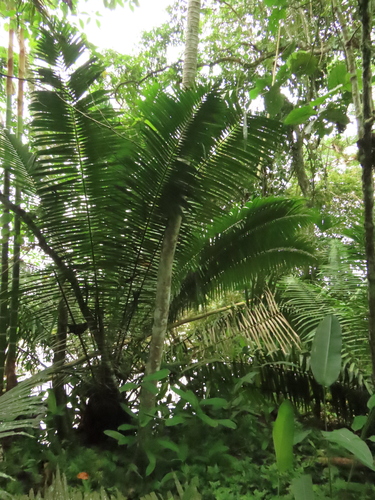
A palm. It has a smooth trunk 10 m tall. It is grey and has annual ring scars from leaves. The fronds arch over. The leaves are compound with leaflets along the sides. The leaves are up to 2 m long and the leaflets are 60-75 cm long by 3-5 cm wide. The flowering stalk comes from just below the crown. The flowers are small. Male flowers are red and female flowers are lilac. The fruit are a flattened round shape. They are 1 cm across and red.
Edible Uses
The young leaves or shoots are eaten raw or cooked.
Traditional Uses
The young leaves or shoots are eaten raw or cooked.
This uses section is brief — help expand it
Distribution
It is a tropical plant. It occurs between 760-1,800 m above sea level. It is in areas with a rainfall between 200-500 cm and a temperature between 15°-24°C. It can be in acid, neutral or alkaline soils with pH between 5.6-8.0.
Where It Grows
Asia, India,
References (2)
- Dobriyal, M. J. R. & Dobriyal, R., 2014, Non Wood Forest Produce an Option for Ethnic Food and Nutritional Security in India. Int. J. of Usuf. Mngt. 15(1):17-37
- Recovery plan for selected ETMP's and Conservation Models. Chapter 5 p 167 (Off internet)