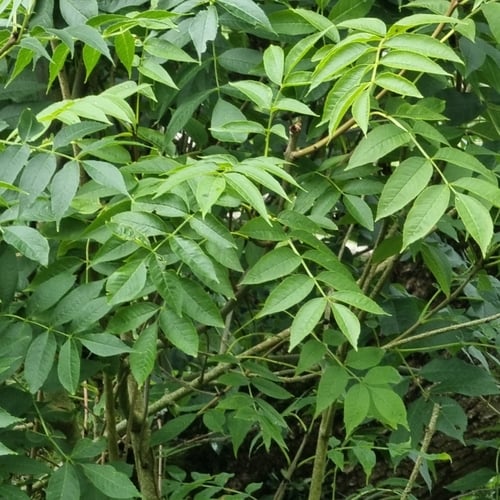
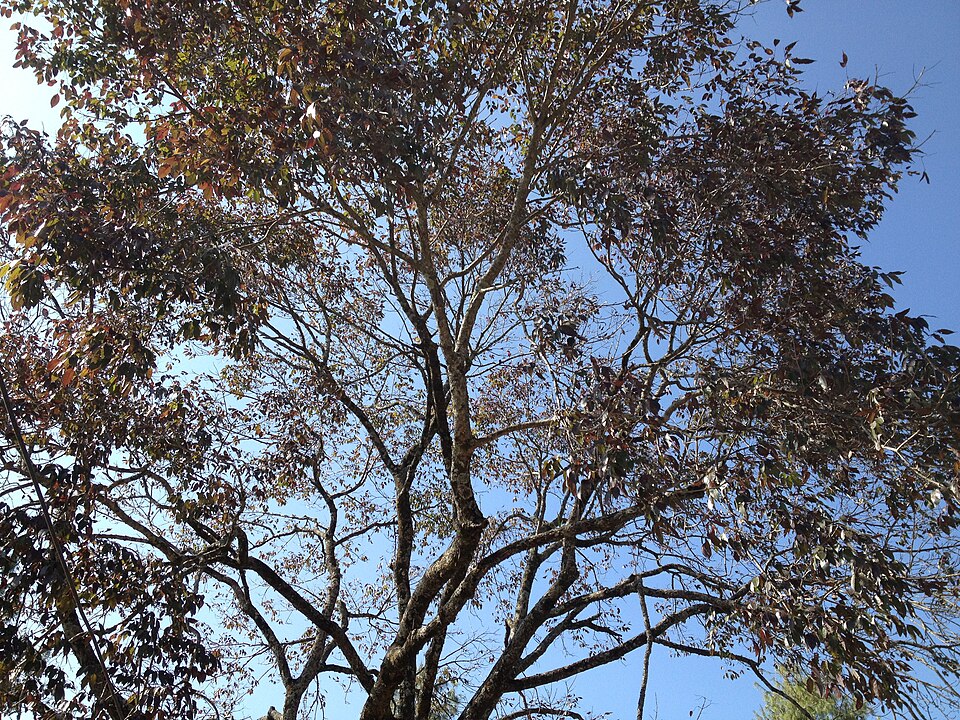
Forestiera pubescens var. parvifolia
(A. Gray) G. L. Nesom
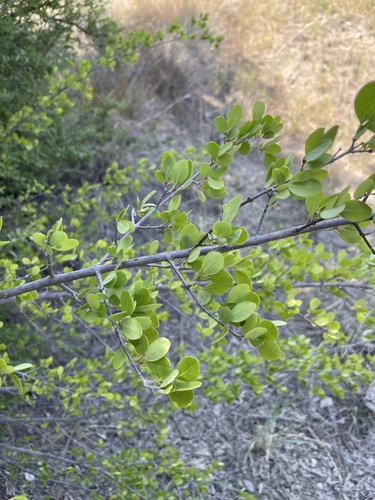
iNaturalist· cc-by-nc-sa
(c) 2009 Keir Morse, some rights reserved (CC BY-NC-SA)
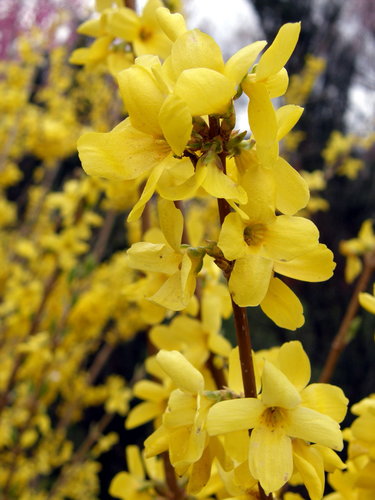
iNaturalist· cc-by-nc
(c) Suzette Rogers, some rights reserved (CC BY-NC), uploaded by Suzette Rogers
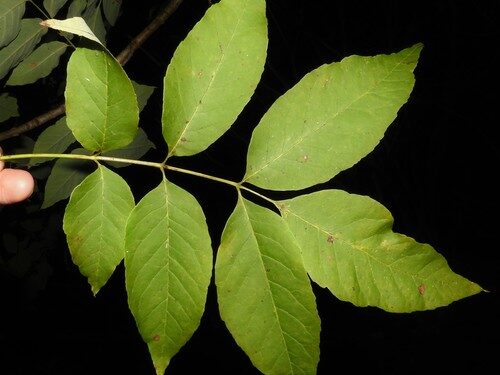
iNaturalist· cc-by-nc
(c) Nido Paras, some rights reserved (CC BY-NC), uploaded by Nido Paras
Summary
Source: WikipediaForestiera pubescens, commonly known as stretchberry, desert olive, tanglewood, devil's elbow, elbow bush, spring goldenglow, spring herald, New Mexico privet, or Texas forsythia is a deciduous shrub or small tree native to the southwestern United States (Texas, Oklahoma, New Mexico, Arizona, Colorado, Utah, Nevada, California) and northern Mexico.
Description
A shrub or small tree. It grows 2-3 m tall. Plants are separately male and female.
This description is brief — help expand it
Edible Uses
The small fruit are eaten like olives.
Traditional Uses
The small fruit are eaten like olives.
This uses section is brief — help expand it
Distribution
A temperate plant.
Where It Grows
North America, USA,
Synonyms
References (2)
- Desert Survivors Online Plant Database (As Forestiera neomexicana)
- Kermath, B. M., et al, 2014, Food Plants in the Americas: A survey of the domesticated, cultivated and wild plants used for Human food in North, Central and South America and the Caribbean. On line draft. p 373