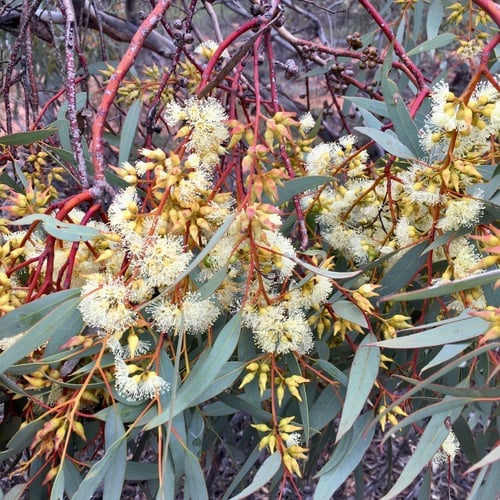
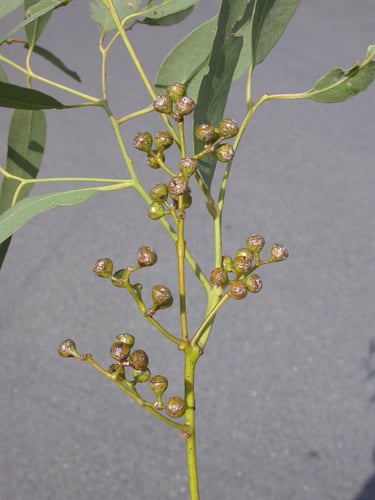
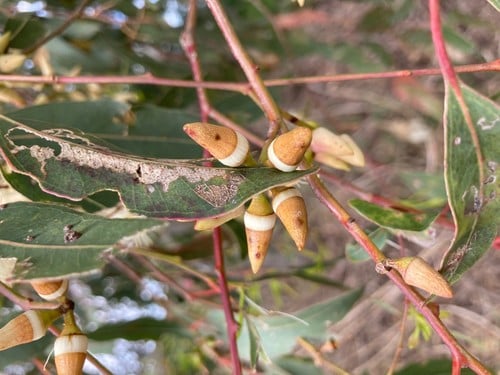
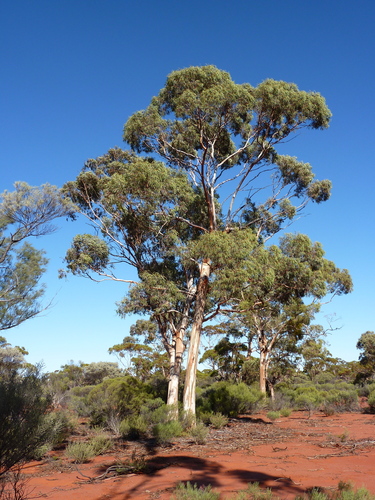
Eugenia venezuelensis
O. Berg.
iNaturalist· cc-by-nc
(c) ovilla82, some rights reserved (CC BY-NC), uploaded by ovilla82
iNaturalist· cc-by-nc
(c) ovilla82, some rights reserved (CC BY-NC)
Description
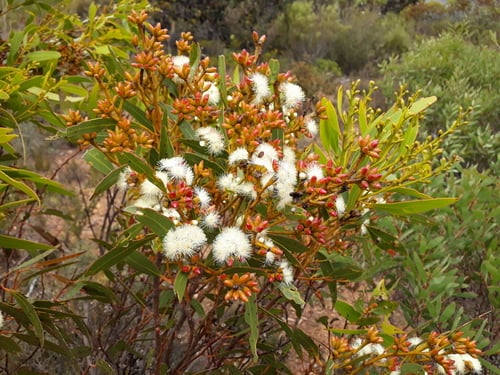
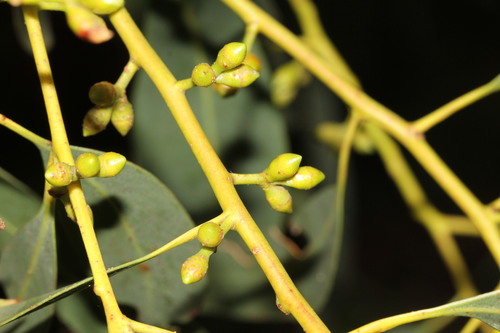
A small tree. It grows 6 m tall. The stems are densely hairy. The leaves are rounded at the base and taper at the tip. They are 4-12 cm long by 1.5-4.5 cm wide. The fruit are round berries 4-7 mm across.
Edible Uses
The fruit berries are eaten.
Distribution
It is a tropical plant. It grows between 50-1,300 m above sea level.
Where It Grows
Andes, Belize, Central America, Colombia, Costa Rica, El Salvador, Guatemala, Honduras, Mexico, Nicaragua, Panama, South America, Venezuela,
Cultivation
The white flowers are sweetly scented and much frequented by bees. The fruit is usually borne in great profusion.
Synonyms
Also Known As
Chasa, Escobilla, Palito blanco
References (4)
- Kermath, B. M., et al, 2014, Food Plants in the Americas: A survey of the domesticated, cultivated and wild plants used for Human food in North, Central and South America and the Caribbean. On line draft. p 357 (As Eugenia origanoides)
- Segura, S., et al, 2018, The edible fruit species in Mexico. Genet Resour Crop Evol (2018) 65:1767–1793
- Kew Plants of the World onLine
- World Checklist of Useful Plant Species 2020. Royal Botanic Gardens, Kew