Dalea purpurea
Vent.
Purple prairie clover
iNaturalist· cc-by-nc
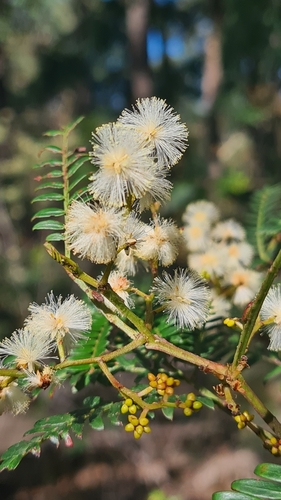
(c) Paul Tavares, some rights reserved (CC BY-NC), uploaded by Paul Tavares
iNaturalist· cc-by-nc
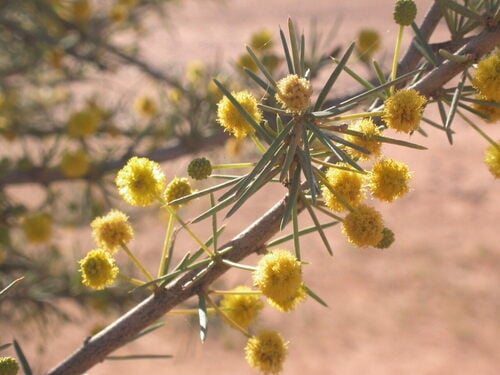
(c) Matthew Salkiewicz, some rights reserved (CC BY-NC), uploaded by Matthew Salkiewicz
iNaturalist· cc-by-nc
(c) dleaon1, some rights reserved (CC BY-NC), uploaded by dleaon1
Summary
Source: WikipediaDalea purpurea is a species of flowering plant in the legume family known as purple prairie clover. Native to central North America, purple prairie clover is a relatively common member of the Great Plains and prairie ecosystems. It blooms in the summer with dense spikes of bright purple flowers that attract many species of insects.
Description
Dalea purpurea is a hardy perennial growing to 0.9 m (3 feet) tall and 0.6 m (2 feet) wide. It produces purple cylindrical flower spikes blooming in July and thrives in full sun with sandy, loamy, or well-drained soil. Hardy to UK zone 4, it tolerates drought and both dry and moist conditions. The plant is hermaphroditic and attracts bees and insects as pollinators. It fixes nitrogen in soil.
Edible Uses
Tea. Roots are edible and sometimes sweet but often fibrous. Edible Uses & Rating. Provides a minor edible root resource. Taste, Processing & Kitchen Notes. Roots can produce mildly sweet broths when boiled but are often woody. Seasonality (Phenology). Flowers bloom from early to mid-summer. Safety & Cautions (Food Use). Flavor variability requires sampling before harvesting. Harvest & Processing Workflow. Roots are dug, cleaned, and boiled to extract flavor. Cultivar/Selection Notes. Numerous ornamental selections are available for prairie restoration and landscaping. Look-Alikes & Confusion Risks. Easily recognized by its purple cylindrical flower spikes. Traditional/Indigenous Use Summary. Prairie-clover roots were occasionally eaten by Native American groups. The root was used for chewing. A pleasant sweet flavour. The dried leaves are a tea substitute.
Traditional Uses
The root is eaten raw or chewed.
This uses section is brief — help expand it
Medicinal Uses
A poultice of steeped, bruised leaves has been applied to fresh wounds. A decoction of the leaves and blossoms has been used to treat heart problems and diarrhoea. An infusion of the roots has been used in the treatment of measles.
Known Hazards
Flavor variability requires sampling before harvesting.
Distribution
It is a temperate plant.
Where It Grows
Canada, Mexico, North America, USA,
Cultivation
An ecologically valuable prairie wildflower with modest edible potential. Growing Conditions. Prefers sunny locations and well-drained prairie soils. Habitat & Range. Widespread across the central United States prairies. Size & Landscape Performance. Tall and showy in prairie plantings. Cultivation (Horticulture). Commonly used in prairie restoration and pollinator gardens. Pests & Problems. Generally hardy and pest-resistant. Identification & Habit. Perennial herb with compound leaves and dense purple flower spikes. Pollinators. Highly attractive to bees, butterflies, and other pollinating insects. Requires a well-drained soil in full sun. A deep-rooted plant, it prefers a sandy loam with added leaf mould. This species is well-suited to informal and naturalistic plantings, especially as part of a collection of native species. Plants are monocarpic, living for a number of years without flowering and then dying after flowering. The stems, leaves and flowers are dotted with glands, making the plant look blistered. This species has a symbiotic relationship with certain soil bacteria, these bacteria form nodules on the roots and fix atmospheric nitrogen. Some of this nitrogen is utilized by the growing plant but some can also be used by other plants growing nearby. Purple prairie-clover (Dalea purpurea var. purpurea) belongs to the bean family (Fabaceae) and the genus Dalea. Common names include purple prairie-clover and purple prairie clover. It grows well in USDA Hardiness Zones 3–9. Mature plants usually reach 40–90 cm tall and spread about 30–60 cm wide.
Propagation
Pre-soak seed for 12 hours in warm water, then sow in early spring in a greenhouse. Once seedlings are large enough to handle, prick them out into individual pots and plant out into their permanent positions in summer.
Other Uses
The tough, elastic stems have been made into brooms. This species is also a nitrogen fixer.
Synonyms
References (2)
- Kermath, B. M., et al, 2014, Food Plants in the Americas: A survey of the domesticated, cultivated and wild plants used for Human food in North, Central and South America and the Caribbean. On line draft. p 297
- Lim, T. K., 2015, Edible Medicinal and Non Medicinal Plants. Volume 9, Modified Stems, Roots, Bulbs. Springer p 33