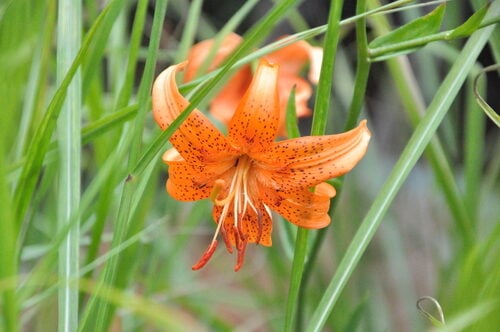
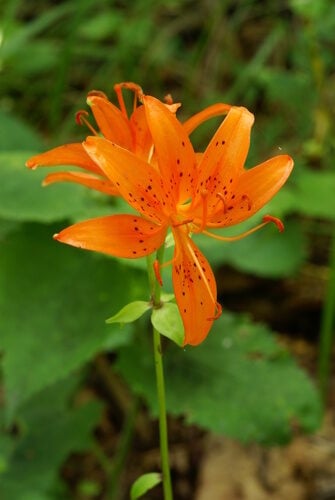
Calochortus flexuosus
S. Watson
iNaturalist· cc-by-nc
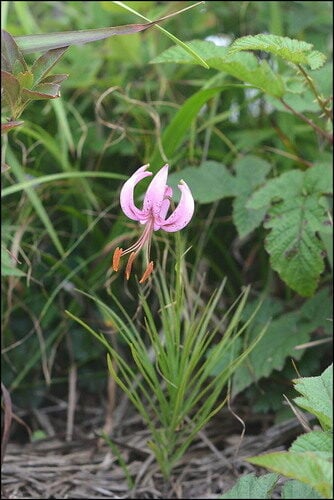
(c) Walter Fertig, some rights reserved (CC BY-NC), uploaded by Walter Fertig
iNaturalist· cc-by-nc
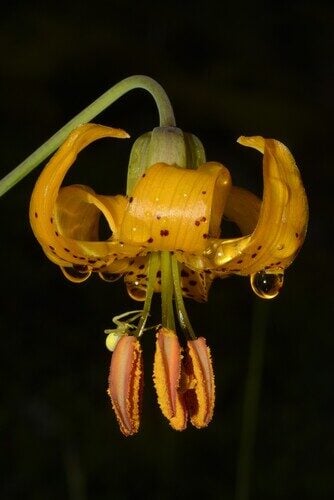
(c) Zachary Nielsen, some rights reserved (CC BY-NC)
Summary
Source: WikipediaCalochortus flexuosus is a species of lily known by the common names winding Mariposa lily and straggling Mariposa lily. This is a bulbous perennial wildflower native to the Southwestern United States, the Mojave Desert in California, and northern Mexico. It is most often found in desert scrub, growing up through low shrubs.
Description
A bulbous perennial reaching 30 cm tall and 10 cm wide at medium growth rate. Hardy to UK zone 6. Flowers attract bees and insects. Grows in light sandy or medium loamy, well-drained, nutritionally poor soils across neutral to mildly alkaline pH. Requires full sun and tolerates both dry and moist conditions, including drought. Notable for attracting wildlife.
Edible Uses
The bulbs are edible when cooked and were a valued food among Indigenous peoples of the Great Basin and Colorado Plateau. The leaves and seeds are technically edible but contribute little nutritional value. Bulbs were eaten boiled, roasted, or baked in earth ovens, producing a pleasant, mild, sweet flavor similar to potatoes or chestnuts. Edibility rating: 4.5/5 for bulbs; 1/5 for leaves and seeds. Taste, Processing & Kitchen Notes: Fresh bulbs are firm, crisp, and faintly sweet. When roasted, they become soft and mildly sweet, with a nutty undertone reminiscent of sweet potato or turnip. Boiling produces a smoother, milder result, ideal for blending with other wild root foods. The outer tunic should be peeled before cooking. Drying bulbs for later roasting was common in traditional practice, though flavor is best fresh. The bulbs are small—typically 1–2 cm across—so substantial effort is required to gather a meal’s worth. Seasonality (Phenology): Flowering occurs from April through June, depending on elevation and rainfall. The foliage appears early in spring, and the stems elongate and twist as temperatures rise. Seed capsules mature by June–July, while bulbs remain dormant through late summer and fall. Plants re-emerge with winter or early spring moisture. Safety & Cautions (Food Use): Bulbs are safe when cooked; raw consumption can cause digestive irritation. As with all Calochortus species, care should be taken not to harvest from protected populations. Harvest & Processing Workflow: Locate plants during flowering for later harvest, marking sites for bulb collection after seed set. Gently dig bulbs with minimal soil disturbance. Wash and peel before roasting or boiling. The bulbs may be roasted directly in embers or wrapped in leaves for steaming. Traditional / Indigenous Use Summary: Tribes of the Great Basin, Hopi Mesa, and Navajo regions traditionally used Calochortus flexuosus bulbs as a spring and famine food, roasting or boiling them whole. The bulbs provided a reliable carbohydrate source in years when acorns, pine nuts, or grass seeds were scarce. The flowers also had symbolic significance in fertility and renewal rituals.
Traditional Uses
The seeds are made into a paste and eaten. The flowers are added to salads. The plant is used as a potherb.
This uses section is brief — help expand it
Medicinal Uses
None Known
Known Hazards
Bulbs are safe when cooked; raw consumption can cause digestive irritation. As with all Calochortus species, care should be taken not to harvest from protected populations.
Distribution
It is a temperate plant.
Where It Grows
North America, USA,
Cultivation
Identification & Habit: Calochortus flexuosus is a slender, bulbous perennial herb growing 15–45 cm tall, arising each spring from a small underground bulb. Its defining feature is its winding, flexible stem (hence the name “flexuosus”), which often bends and curves as it grows through desert vegetation. The leaves are linear, grass-like, mainly basal, and typically wither before flowering. Each plant bears one to three large, open, cup-shaped flowers. The petals are lavender, rose-pink, or occasionally white, with darker central markings and a ring of fine hairs near the petal bases surrounding conspicuous nectar glands. Sepals are narrower and often greenish. The fruit is a three-angled capsule, containing numerous flat, tan seeds arranged in two rows per chamber. Pollination is primarily by native solitary bees, especially Anthophora, Osmia, and Perdita species. In some populations, bee flies (Bombyliidae) and small syrphid flies also visit, attracted to both color and nectar gland secretions. Growing Conditions: Winding Mariposa Lily thrives in sandy or gravelly soils of arid grasslands, sagebrush flats, and desert woodlands, often on gentle slopes or open mesas. It prefers full sun, well-drained soils, and regions with cool winters and dry summers. USDA Hardiness Zones: 5–8. It tolerates alkaline soils and extreme drought by entering complete summer dormancy. Habitat & Range: Native to Utah, Arizona, New Mexico, Nevada, and western Colorado, extending into northern Mexico. It is most common in pinyon-juniper zones and high desert plateaus at 1,000–2,400 meters elevation. In years of good rainfall, it blooms prolifically and can form scattered colonies across desert foothills. Size & Landscape Performance: Plants range 15–45 cm tall and 10–20 cm wide, their flexible flowering stems often arcing among rocks and low vegetation. Their colorful, cup-like blossoms make them highly ornamental and sought-after in native wildflower gardens and xeriscape designs. Cultivation (Horticulture): C. flexuosus grows best from seed sown in fall into sandy, well-drained soil. Germination occurs in spring after natural cold stratification. Mature plants require a dry dormant period in summer and light watering during growth. Overwatering or rich soil can lead to bulb rot. It is an excellent candidate for rock gardens and native bulb displays, adding elegance to spring blooms. Pests & Problems: Few natural pests exist. The bulbs are vulnerable to fungal rot under excess moisture and to rodents in cultivation. Drought or prolonged shade can reduce flowering.
Propagation
C. flexuosus grows best from seed sown in fall into sandy, well-drained soil. Germination occurs in spring after natural cold stratification.
Other Uses
An excellent candidate for rock gardens and native bulb displays, adding elegance to spring blooms. The flowers also had symbolic significance in fertility and renewal rituals. Ecology & Wildlife: The flowers provide nectar and pollen to solitary bees, particularly those active in late spring in desert ecosystems. The bulbs are occasionally eaten by rodents and deer, though predation is not severe. Its flowering period contributes to mid-spring pollinator networks when few other showy desert perennials are in bloom. Ecologically and culturally, it stands as a graceful emblem of adaptation in the high desert. Special Uses
References (3)
- Kermath, B. M., et al, 2014, Food Plants in the Americas: A survey of the domesticated, cultivated and wild plants used for Human food in North, Central and South America and the Caribbean. On line draft. p 164
- Stromberg, M. R. et al, California Grasslands: Ecology and Management. p 63
- World Checklist of Useful Plant Species 2020. Royal Botanic Gardens, Kew