Cirsium souliei
*Franch.) Mattf. ex Rehder & Kobuski
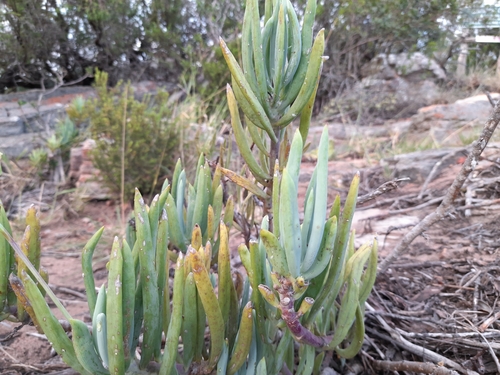
iNaturalist· cc-by-nc
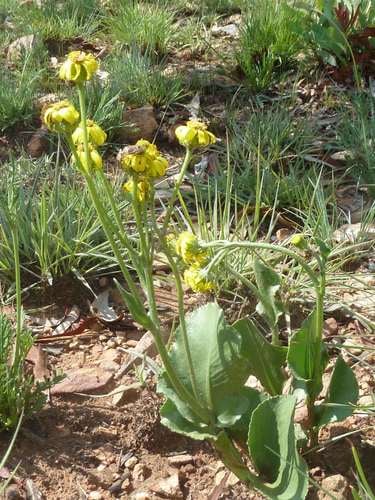
(c) Mengshuai Ge, some rights reserved (CC BY-NC), uploaded by Mengshuai Ge
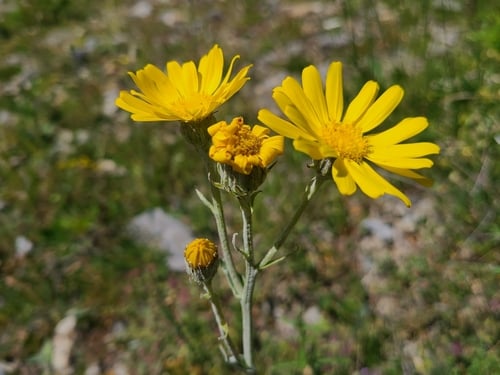
iNaturalist· cc-by-nc
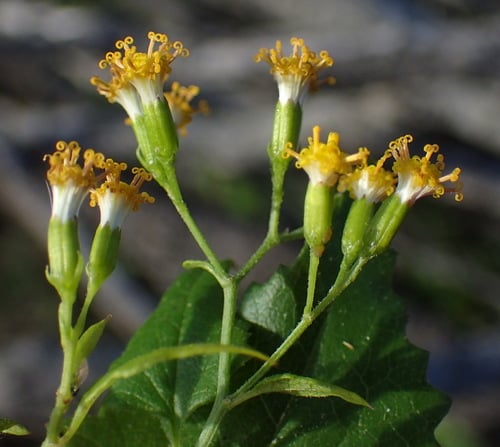
(c) Charles, some rights reserved (CC BY-NC)
iNaturalist· cc-by-nc
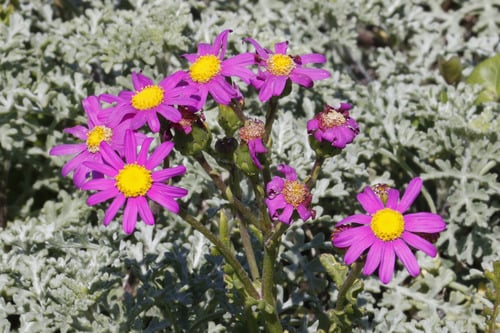
(c) Charles, some rights reserved (CC BY-NC)
Description
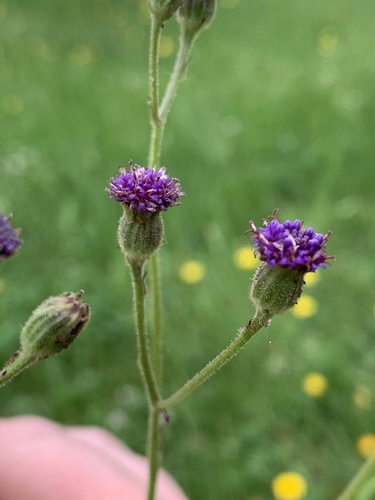
A herb. It is a thistle. It keeps growing from year to year. It does not have a stem. The leaves are in a ring at ground level. The leaves are narrowly oval with 7-11 lobes or segments along the stalk.
Edible Uses
The roots are eaten raw after removing the skin.
Traditional Uses
The roots are eaten raw after removing the skin.
This uses section is brief — help expand it
Distribution
It is a temperate plant. It grows in flooded areas and moist places by water between 1,900-4,800 m above sea level. In Sichuan.
Where It Grows
Asia, China, Himalayas, India, Mongolia, Northeastern India, Sikkim, Tibet,
Also Known As
Cijiagai, Spyang tsher
References (2)
- Boesi, A., 2014, Traditional knowledge of wild food plants in a few Tibetan communities. Journal of Ethnobiology and Ethnomedicine 10:75
- Jia, X., et al, 2022, Ethnobotany of wild edible plants in multiethnic areas of the Gansu–Ningxia–Inner Mongolia junction zone. Journal of Ethnobiology and Ethnomedicine 18:53