Helianthus hybrids
Various
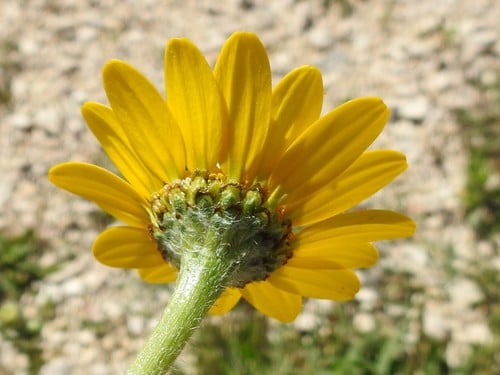
Perennial Sunflower
No photos yet for Helianthus hybrids
Sign in to contribute a photoDescription
Helianthus hybrids is a PERENNIAL growing to 3.6 m (11ft) by 0.6 m (2ft in) at a fast rate. See above for USDA hardiness. It is hardy to UK zone 10. The plant is self-fertile. It is noted for attracting wildlife. Suitable for: light (sandy), medium (loamy) and heavy (clay) soils, prefers well-drained soil and can grow in nutritionally poor soil. Suitable pH: mildly acid, neutral and basic (mildly alkaline) soils. It cannot grow in the shade. It prefers dry or moist soil.
Edible Uses
Carbon Farming Solutions - Staple Crop: protein-oil (The term staple crop typically refers to a food that is eaten routinely and accounts for a dominant part of people's diets in a particular region of the world). Perennial crops are being developed for their oil-seed. The Land Institute see them as part of a perennial polyculture system.
Medicinal Uses
Various medicinal qualities depending on the species.
Distribution
Origin: hybrid. All Helianthus species are native to North America except for three species in South America.
Where It Grows
Origin: hybrid. All Helianthus species are native to North America except for three species in South America.
Cultivation
Management: Standard Staple Crop: Protein-oil Under Development. Climate: boreal to warm temperate. Humidity: semi-arid to humid. Carbon Farming Solutions - Cultivation: under development. Management: standard (Describes the non-destructive management systems that are used in cultivation). Perennial crops are being developed for their oil-seed. The Land Institute see them as part of a perennial polyculture system. Several perennial sunflowers are being worked with including prairie natives handling boreal to warm temperate semi-arid conditions: Helianthus maximliani (Maximilian sunflower), Helianthus tuberosus (Jerusalem artichoke), Helianthus pauciflorus (Stiff sunflower). Less tolerant of boreal conditions but good on poor soils is Helianthus cusickii ( Cusick's sunflower). Many perennial sunflowers are self-fertile, but they can also benefit from cross-pollination. Seeds are typically harvested in late summer to early autumn when the flower heads are mature and dry. Perennial sunflowers generally flower in late summer to early autumn. Perennial sunflowers tend to grow moderately fast, establishing well within a couple of years and often reaching full size by the second or third year.
Propagation
See individual species.
Other Uses
Biomass Oil. See individual species. Agroforestry uses: They can be used as a pollinator plant, providing habitat and food for beneficial insects. They also help with soil erosion control and can improve soil health. Some sunflowers are a good source of biomass. The tubers are used in industry to make alcohol etc. The alcohol fermented from the tubers is said to be of better quality than that from sugar beets. Can be grown as a temporary summer screen. Ornamental. A food plants for the larvae of many lepidopterans.
Synonyms
Also Known As
Helianthus hybrids, Helianthus species, Helianthus SPP