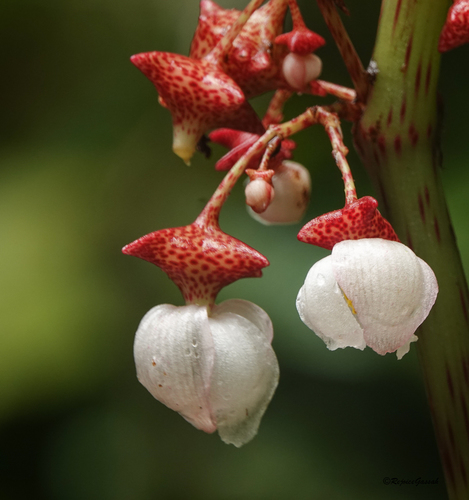
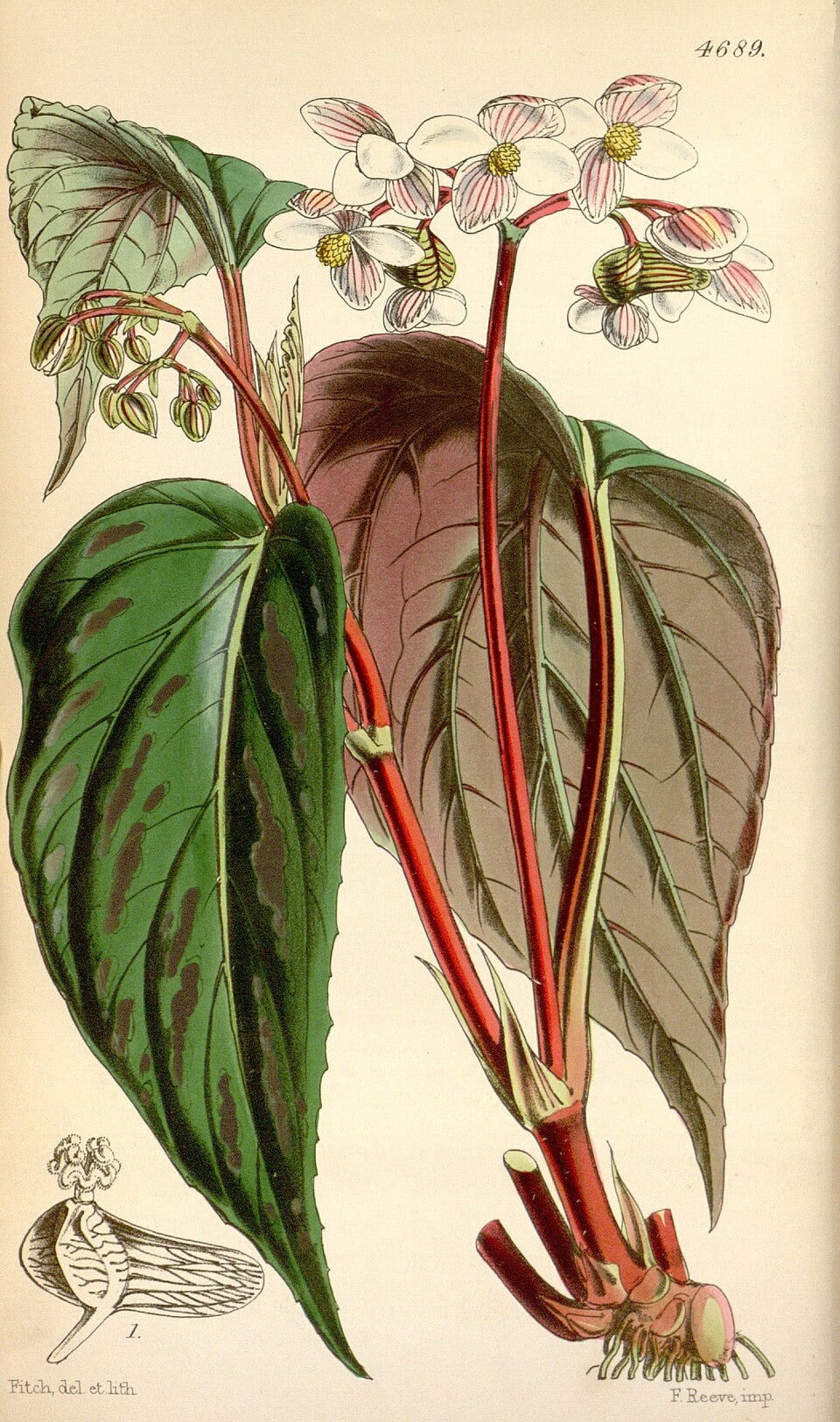
Begonia grandis subsp. sinensis
(A. DC.) Irmsch.
gbif· cc-by-nc
Ming_Ni
gbif· cc-by-nc
night-heron
gbif· cc-by-nc
yiyuyuye
Summary
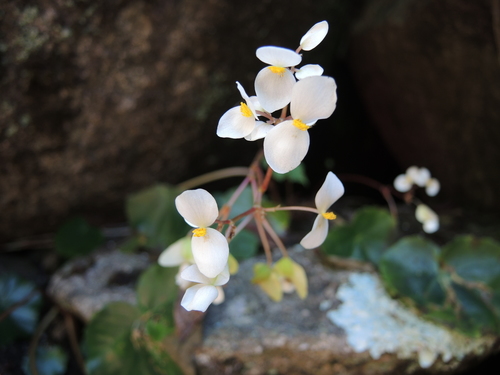
Source: WikipediaBegonia grandis, the hardy begonia, is a species of flowering plant in the family Begoniaceae. This herbaceous perennial has alternate, simple leaves on arching stems. The flowers are pink or white, borne in dichotomously branching cymes from late summer through fall in USDA U.S. Hardiness Zone 7. As the common name "hardy begonia" implies, it is winter hardy in some temperate regions. It can overwinter well in hardiness zone 9a in southwestern Japan as tuberous roots or bulbils (bulbils are formed in axils). Above-ground parts of this plant eventually die as temperature lowers. However, it is generally regarded as hardy to zones 5-6. The varietIes Begonia grandis subsp. evansiana and Begonia grandis subsp. evansiana var. alba have gained the Royal Horticultural Society's Award of Garden Merit.
Description
A herb. The stems are 20-40 cm long. The leaves are pale underneath. They are a triangular oval shape and 5-12 cm long by 4-9 cm wide.
This description is brief — help expand it
Distribution
It is a subtropical plant. It grows in forests on limestone in shaded moist places between 300-3,400 m above sea level. In Sichuan and Yunnan.
Where It Grows
Asia, China, SE Asia, Vietnam,