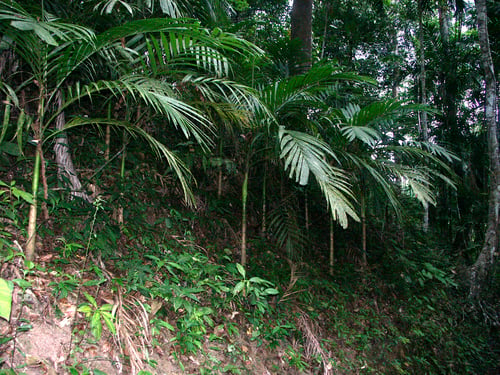
Oenocarpus bataua var. oligocarpus
(Griseb. & H. Wendl.) Balick
Turu palm
iNaturalist· cc-by-nc
(c) Guillaume Léotard, some rights reserved (CC BY-NC), uploaded by Guillaume Léotard
iNaturalist· cc-by-nc
(c) Joey Santore, some rights reserved (CC BY-NC), uploaded by Joey Santore
iNaturalist· cc-by-nc
(c) Marcus Athaydes, some rights reserved (CC BY-NC), uploaded by Marcus Athaydes
Summary
Source: WikipediaOenocarpus bataua, the patawa, sehe, hungurahua (Ecuador) or mingucha, is a palm tree native to the Amazon rainforest. The tree produces edible fruits rich in high-quality oil.
Description
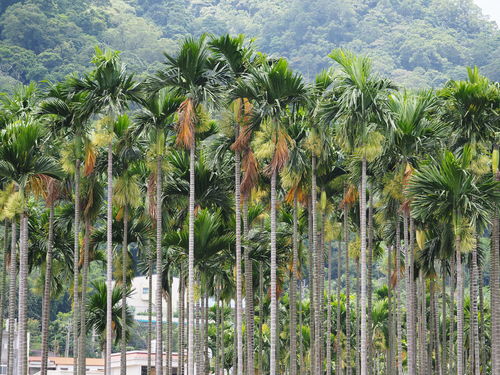
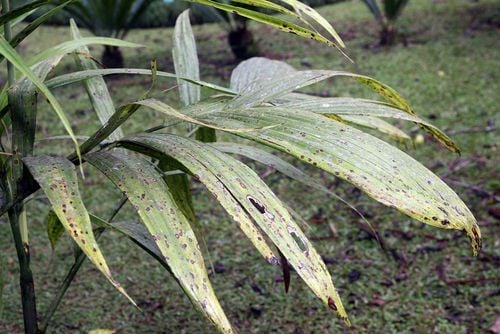
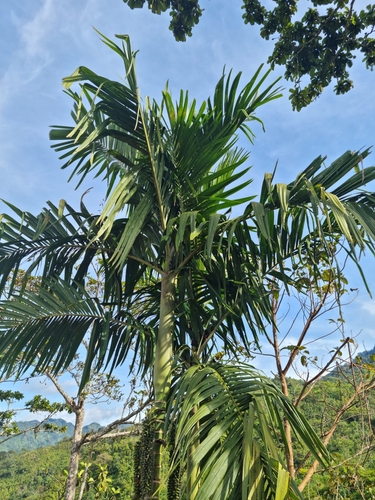
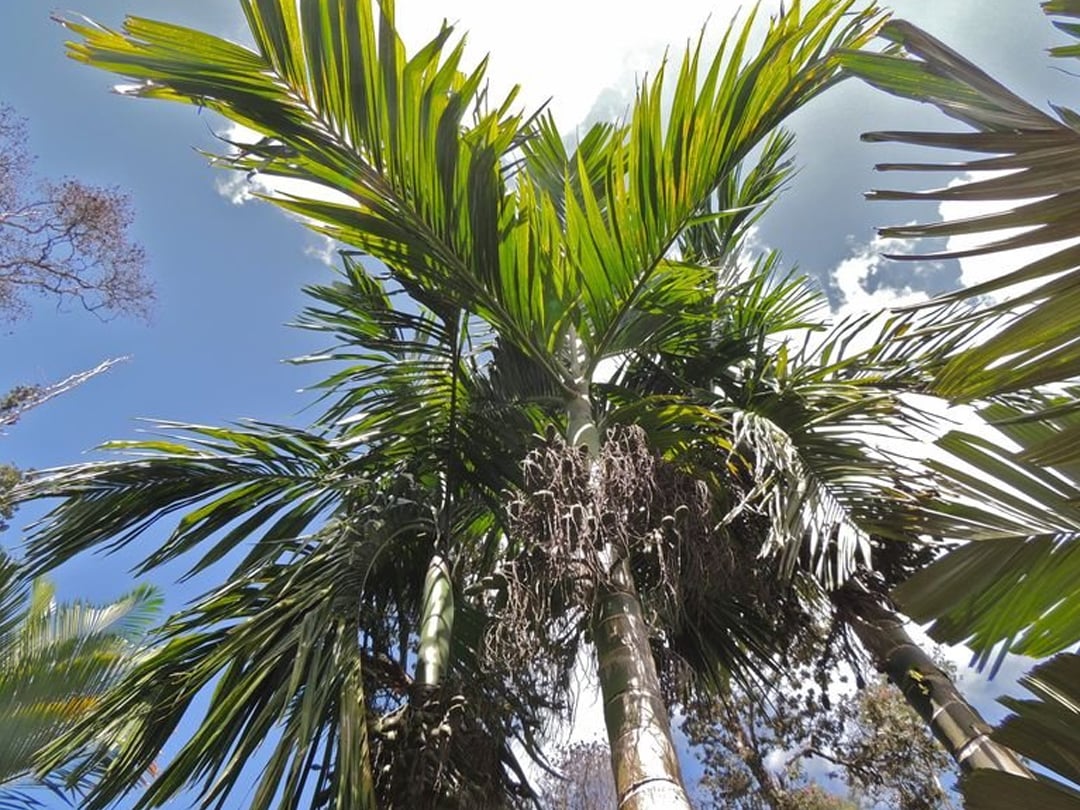
A palm with a single trunk. It grows 26 m tall. The trunk is 30 cm across. There is a small group of slender roots at the base. There are 9-20 leaves. At the beginning they point upwards and then later spread out. They are 3-11 m long with 70-163 leaflets on each side. The flowering shoots are below the leaves and they hang down. The fruit are purple to black and narrowly oval. They are 3.5 cm long by 2.5 cm wide. They have one seed.
Edible Uses
Patawa fruits are used for cosmetic, food, and pharmaceutical purposes. Traditionally indigenous peoples have collected the fruit and matured it in tepid water in order to prepare drinks and also to extract its oil. Its drupes are 8–10% oil. The rachis have been used to manufacture arrows and the leaves to make baskets and construct provisional housings. Additionally, Rhynchophorus palmarum larvae are harvested from the palm.
Traditional Uses
The fruit are used to extract an edible oil. The fruit are used to make a drink. It has a chocolate flavour. The flesh of the fruit can be eaten after the hard shell is removed.
Distribution
It is a tropical plant. It grows in swampy areas that are occasionally flooded.
Where It Grows
Guianas, Guyana, South America, Trinidad & Tobago, Venezuela,
Other Information
Fruit are sold at local markets. They are also commonly eaten.
Synonyms
Also Known As
Aricagua, Chocolate palm, Muhi, Palma de leche, Patawa, Yagua palm
References (3)
- Kermath, B. M., et al, 2014, Food Plants in the Americas: A survey of the domesticated, cultivated and wild plants used for Human food in North, Central and South America and the Caribbean. On line draft. p 579
- Maas, P.J. M., Useful plants of Guyana. Non-Timber Forest Products of the North-West District of Guyana Part 1. p 103 (As Jessenia bataua subsp. oligocarpa)
- Maas, P.J. M., Non-Timber Forest Products of the North-West District of Guyana Part 2. The 85 most important NTFP species. p 132 (As Jessenia bataua subsp. oligocarpa)