Chiranthodendron pentadactylon
Larreat.
Canak, Hand flower
iNaturalist· cc-by-nc
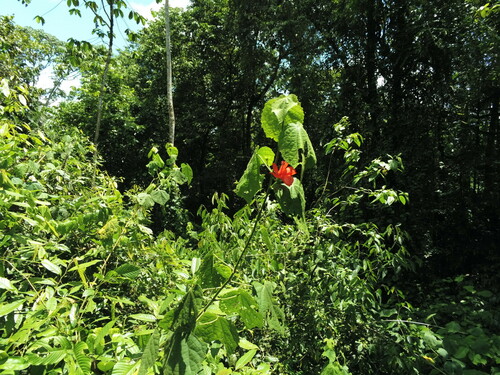
(c) Diego Manzano Méndez, some rights reserved (CC BY-NC), uploaded by Diego Manzano Méndez
iNaturalist· cc-by-nc
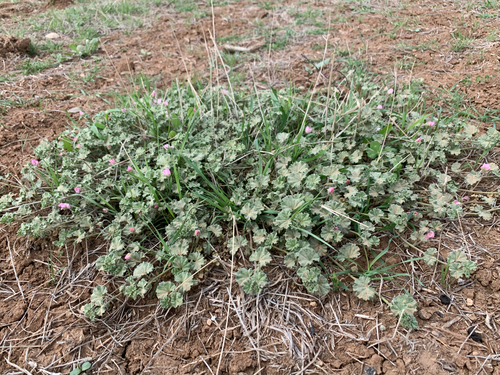
(c) Red de Monitores Pavón Pavo de Cacho, some rights reserved (CC BY-NC), uploaded by Red de Monitores Pavón Pavo de Cacho
iNaturalist· cc-by-nc
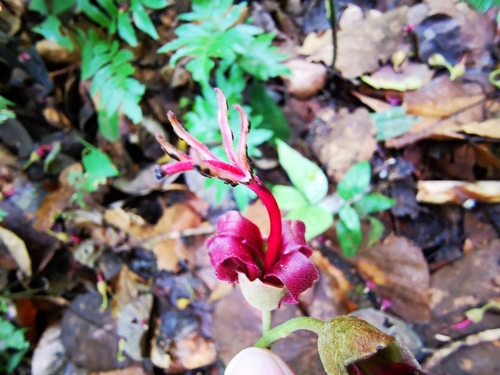
(c) Red de Monitores Pavón Pavo de Cacho, some rights reserved (CC BY-NC), uploaded by Red de Monitores Pavón Pavo de Cacho
Description
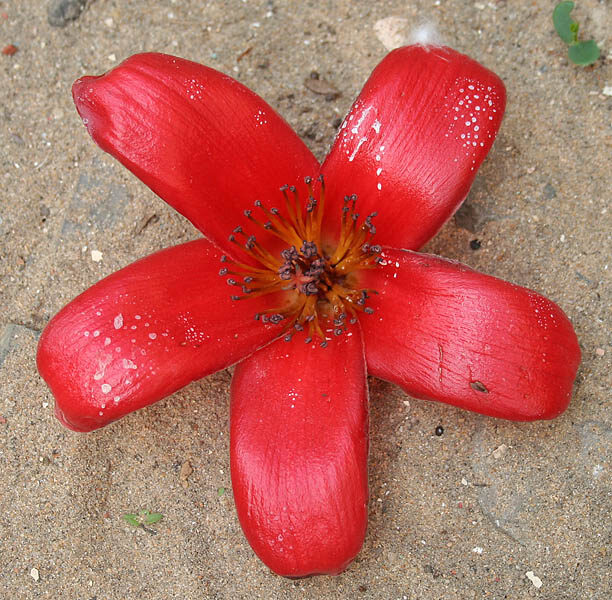
A tree. It can grow 10-27 m tall. The leaves are large and have shallow lobes. The flowers are red and like open hands. The fruit are 7.5-10 cm long. They have 5 lobes and black seeds.
Edible Uses
The large leaves are used to wrap foods in markets and can be cooked.
Traditional Uses
The leaves are used to wrap foods in markets. They are cooked and used as medicine.
This uses section is brief — help expand it
Medicinal Uses
The Mayans and other Central American communities have used solutions containing the tree's flowers as a remedy for lower abdominal pain and for heart problems. Such solutions also reduce edema and serum cholesterol levels and, because they contain the glycosides quercetin and luteolin, act as diuretics. In Central America and part of Southern Mexico, the flower is extracted in hot water and taken as tea for these medical purposes. It can also be used externally as a wash.
Distribution
It is a tropical plant.
Where It Grows
Central America, Guatemala, Mexico,
Cultivation
Prefers a sunny position. Trees can be coppiced. Plants can flower almost all year round.
Other Uses
The soft, flexible leaves are used to cover or wrap food in local markets. A fibre obtained from the bark is used locally to make cloth.
Notes
In the subfamily Bombacoideae.
Synonyms
References (1)
- Hellmuth, N. M., 2013, Maya Ethnobotany. FLAAR Reports.