Cleistopholis glauca
Pierre ex Engl. & Diels
iNaturalist· cc-by-nc
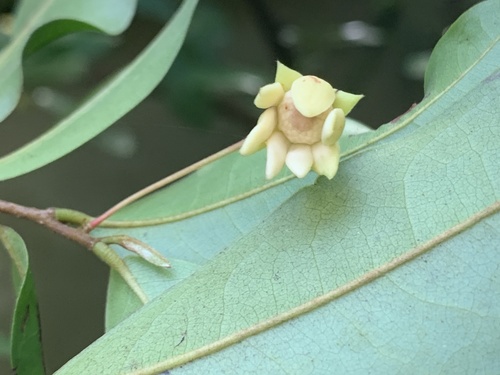
(c) Bart Wursten, some rights reserved (CC BY-NC), uploaded by Bart Wursten
iNaturalist· cc-by-nc
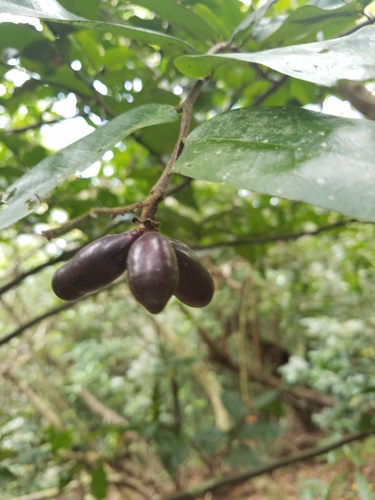
(c) Bart Wursten, some rights reserved (CC BY-NC)
Description
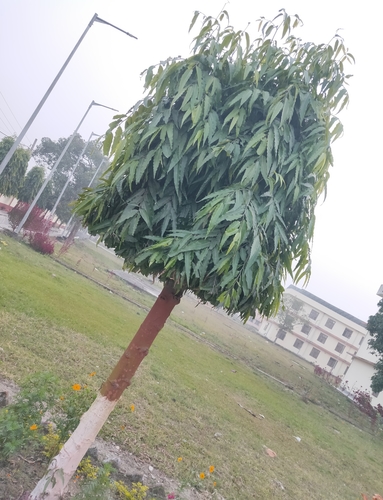
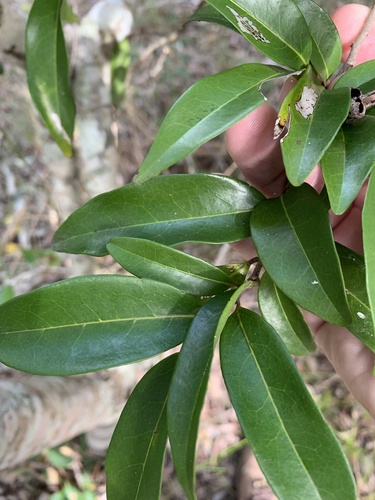
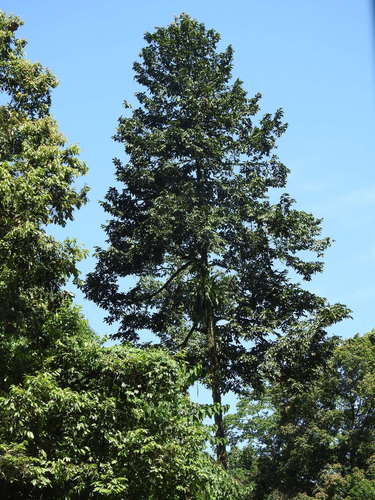
A tree. It grows 20 m tall. The leaves are alternate and sword shaped. They taper to the tip. They are 13 cm long by 3 cm wide. The leaf stalks are short.
Edible Uses
The fruit pulp is eaten.
Distribution
It is a tropical plant.
Where It Grows
Africa, Cameroon, Central Africa, Central African Republic, CAR, Congo DR, Gabon,
Cultivation
A plant of the moist, lowland tropics, where it is found at elevations up to 200 metres. It grows best in areas where annual daytime temperatures are within the range 28 - 36°c, but can tolerate 20 - 39°c. It prefers a mean annual rainfall in the range 2,000 - 3,500mm, but tolerates 1,600 - 5,000mm. Prefers a sunny position. Succeeds in a well-drained, light to medium soil. Prefers a pH in the range 5 - 6.5, tolerating 4.5 - 7.5. Annual wood production potential is 25-40 m3/ha.
Other Uses
The wood is used.
Synonyms
Also Known As
Musoka, Mukoole, Ominga
References (4)
- Brevard County Edible Acres (Also as Cleistopholis bequaertii)
- Harris, D. J., 2002, The vascular plants of the Dzanga-Sangha Reserve, Central African Republic. National Botanic Garden of Belgium, 2002. – 274 pages p 42
- Martin, Perennial edible Fruit.
- Terashima, H., et al, 1992, Ethnobotany of the Lega in the Tropical Rainforest of Eastern Zaire (Congo): Part Two, Zone de Walikale, African Study Monographs, Suppl. 19:1-60