Cimicifuga racemosa
(L.) Nutt.
Black cohosh, Black snakeroot
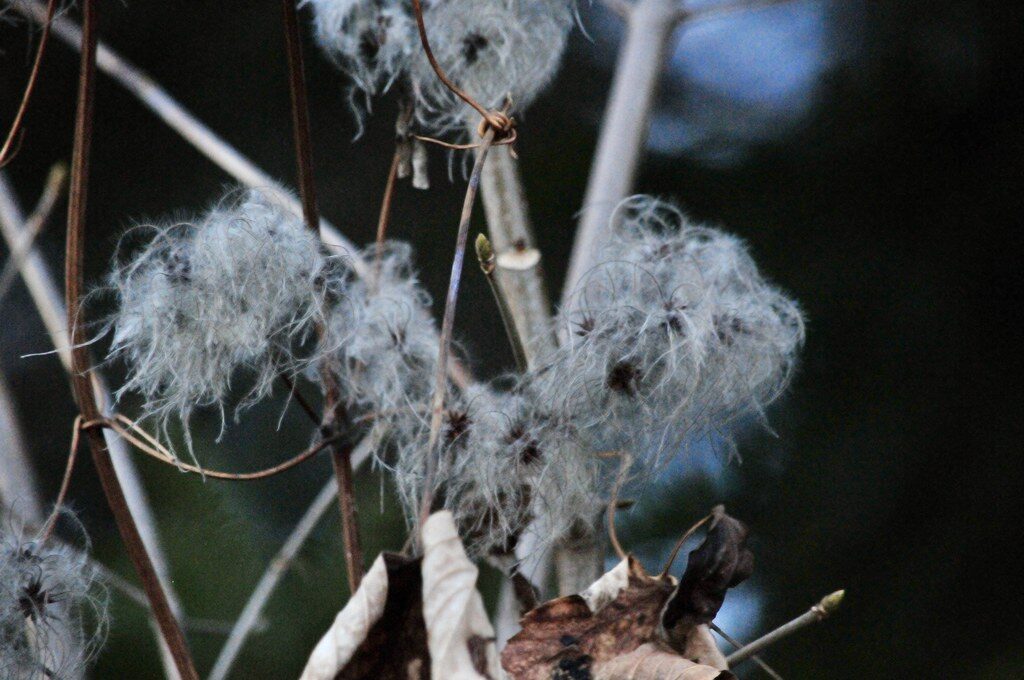
iNaturalist· cc-by-nc
(c) saramancini2, some rights reserved (CC BY-NC)
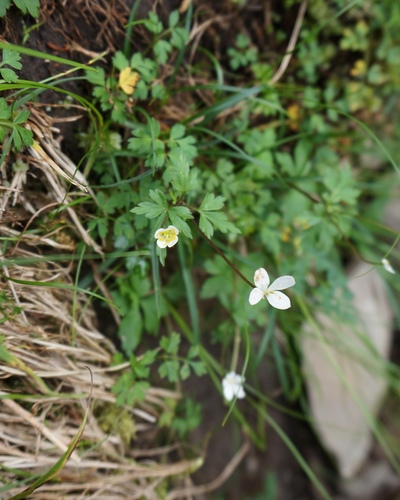
iNaturalist· cc-by-nc
(c) megsmit, some rights reserved (CC BY-NC)
iNaturalist· cc-by-nc
(c) megsmit, some rights reserved (CC BY-NC)
Description
A perennial plant. It grows 3 m high and 2 m wide. At the base are deeply cut leaves. The stem is branching. The flowers are at the top of the stem as slender white bottlebrushes.
Traditional Uses
CAUTION:
This uses section is brief — help expand it
Known Hazards
There is a lack of long term safety information for black cohosh. The Herbal Medicinal Product Committee (HMPC) at the European Medicines Agency (EMA) has summarized the adverse drug reactions of herbal medicines made from cimicifuga with mentioning allergic skin reactions (urticaria, itching, exanthema), facial oedema and peripheral oedema, and gastrointestinal symptoms (i.e. dyspeptic disorders, diarrhoea). Black cohosh does not show harmful effects on endometrium or breast cancer survivors. In contrast, such studies have not been published for dietary supplements made from black cohosh. Most black cohosh materials are harvested from the wild. Lack of proper authentication and adulteration of commercial preparations by other plant species are risk factors in dietary supplements and a critical matter of quality control in herbal medicinal products holding a marketing authorization. Very high doses of black cohosh may cause nausea, dizziness, visual effects, a lower heart rate, and increased perspiration. Worldwide, some 83 cases of liver damage, including hepatitis, liver failure, and elevated liver enzymes, have been associated with using black cohosh, although a cause-and-effect relationship remains undefined. The clinical picture is similar to an autoimmune hepatitis with centrilobular liver cell necrosis, which can be treated with corticosteroids. Package leaflets of phytomedicines made from black cohosh caution that people with liver problems should not take it, In 2007, the Australian Government warned that black cohosh may cause liver damage, although rarely, and should not be used without medical supervision. Other studies concluded that liver damage from use of black cohosh is unlikely. But millions of women have taken black cohosh without reporting adverse health effects, and a meta-analysis of clinical trials found no evidence that black cohosh preparations had adverse effects on liver function.
Distribution
It is a temperate plant. It is best in light to medium, well-drained soils. It needs an open sunny position.
Where It Grows
Australia, Britain, Canada, Denmark, Europe, France, Germany, Netherlands, North America*, Slovenia, Spain, Turkey, Türkiye, USA,
Cultivation
Plants can be grown from seeds or by root division.
Notes
There are about 18 Cimicifuga species.
Synonyms
Also Known As
Grozdnata svetilka
References (5)
- Bodkin, F., 1991, Encyclopedia Botanica. Cornstalk publishing, p 253
- Bremness, L., 1994, Herbs. Collins Eyewitness Handbooks. Harper Collins. p 160
- Gen. N. Amer. pl. 2:15. 1818
- Joyce, D., 1998, The Garden Plant Selector. Ryland, Peters and Small. p 217
- Plants for a Future database, The Field, Penpol, Lostwithiel, Cornwall, PL22 0NG, UK. http://www.scs.leeds.ac.uk/pfaf/