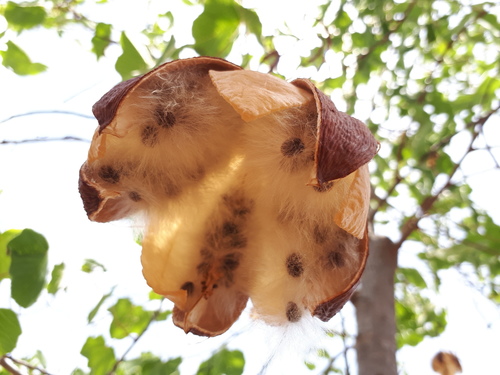
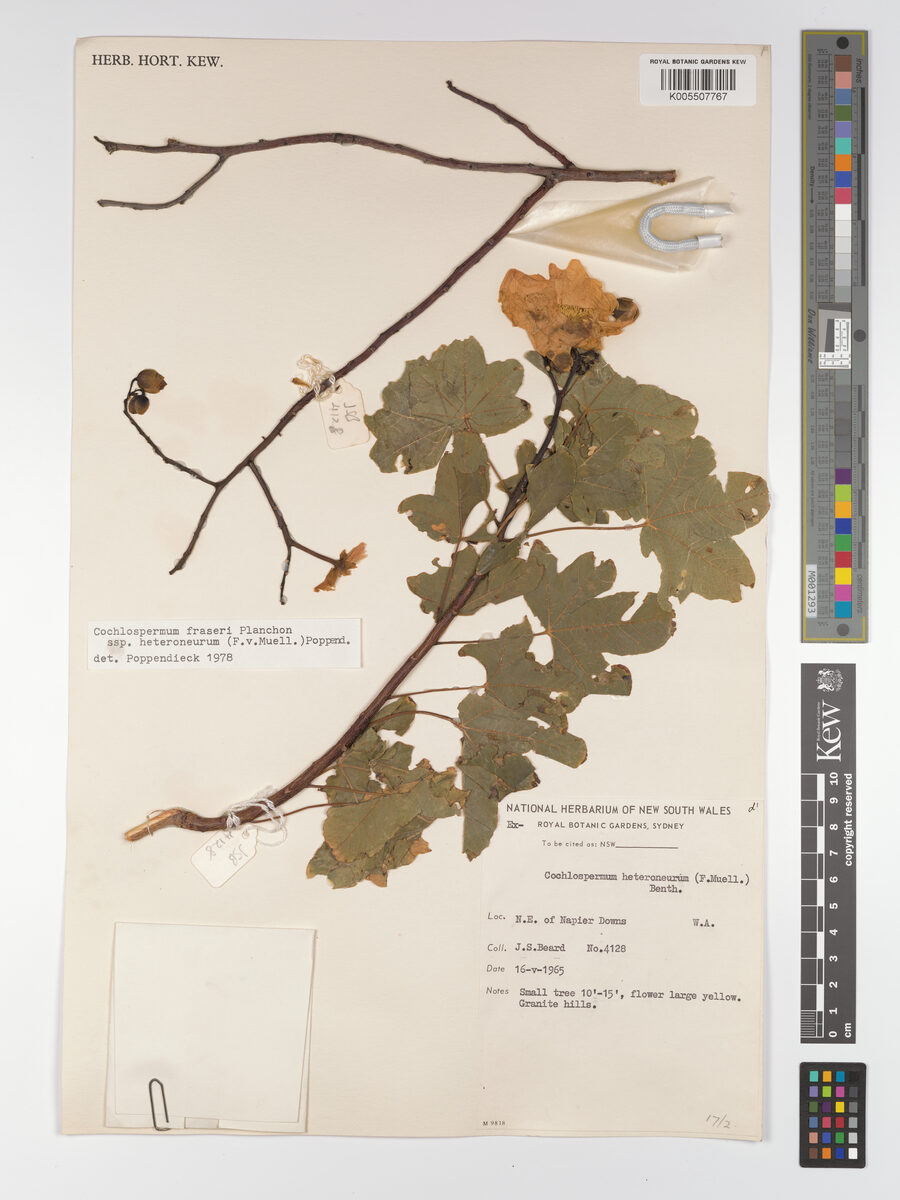
Amoreuxia gonzalezii
Sprague & L. Riley
Saya
iNaturalist· cc-by-nc
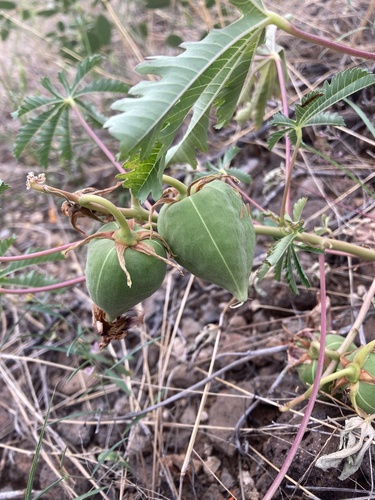
(c) Dan Beckman, some rights reserved (CC BY-NC)
iNaturalist· cc-by-nc
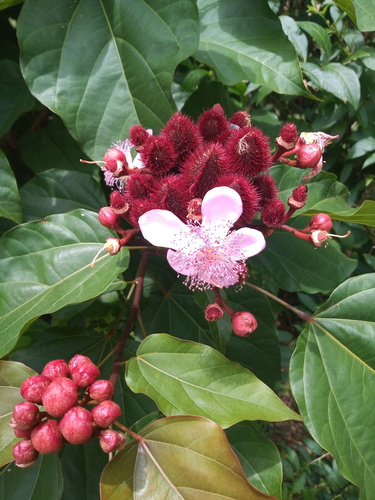
(c) Dan Beckman, some rights reserved (CC BY-NC)
iNaturalist· cc-by-nc
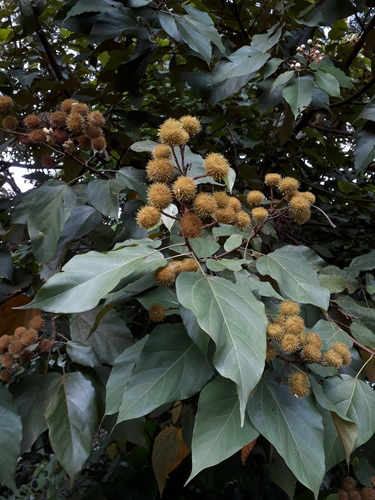
(c) J. Fernando Pío León, some rights reserved (CC BY-NC)
Summary
Source: WikipediaAmoreuxia gonzalezii is a rare species of flowering plant in the Bixaceae known by the common names Santa Rita mountain yellowshow, Santa Rita throwup weed, saiya and temaqui. It is native to Sonora in Mexico, its distribution extending just above the border into Arizona in the United States, where it occurs in the Santa Rita Mountains of Pima and Santa Cruz Counties. It has also been found in the States of Sinaloa and Jalisco to the south. It is also present in the Sierra de la Laguna of Baja California Sur. This plant is a perennial herb with stems 25 to 35 centimeters long growing from a tuber-like rootstock. The leaves are divided deeply into 5 to 7 lobes, the blades dark green in color and 3 to 6 centimeters wide. The flower is 6 to 8 centimeters wide with five orange petals with dark red-brown spots at the bases. The flowers close in the daytime. Blooming occurs in July through September. The hanging fruit is up to 8 centimeters long and contains rounded brown seeds. This species is very similar to Amoreuxia palmatifida. This plant grows in the transition between desert scrub and grassland. In the Santa Rita Mountains it grows on limestone talus and in Mexico it has been found on granite. Other plants in the habitat include Eysenhardtia, Erythrina, Cercidium floridum, Tecoma, Agave schottii, Heteropogon, Fouquieria, Calliandra, Opuntia spp., Krameria, Janusia gracilis, Agave palmeri and Hibiscus coulteri.
Description
A herb that keeps growing from year to year. It forms tubers. The leaves have lobes like fingers on a hand. The flowers are large and yellow. There is a red spot at the base of each petal.
Edible Uses
The roots are eaten, traditionally prepared with milk.
Traditional Uses
The roots are eaten. They are eaten with milk.
This uses section is brief — help expand it
Distribution
It is a tropical plant. It grows between 160-600 m above sea level.
Where It Grows
Mexico, North America,
Notes
Also put in the family Cochlospermaceae.
Also Known As
Gonzalez' saya
References (2)
- Desert Survivors Online Plant Database
- Martin, P. S. et al, (Eds.), 1998, Gentry's Rio Mayo Plants. The Tropical Deciduous Forest & Environs of Northwest Mexico. University of Arizona Press. 292