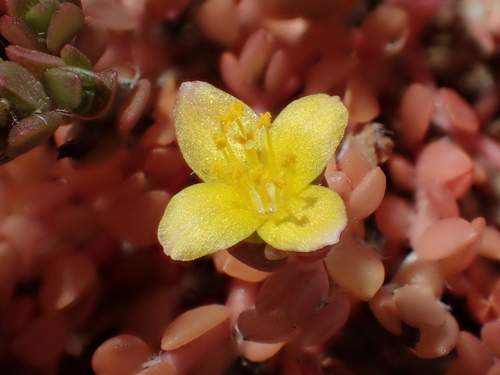
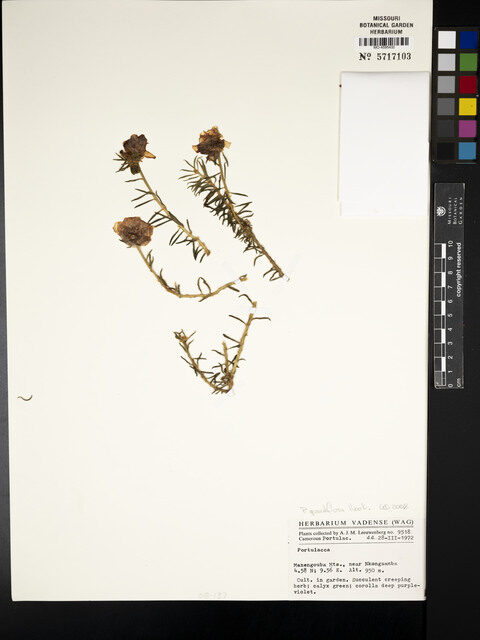
Portulaca umbraticola
Kunth
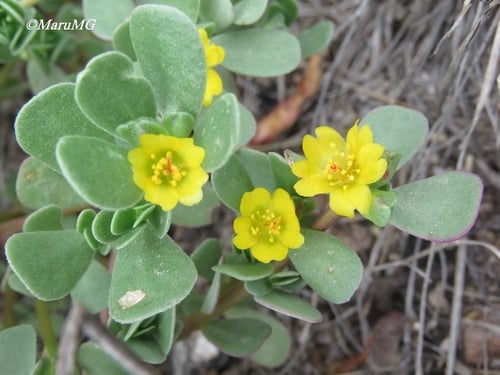
Wingpod purslane
iNaturalist· cc0
no rights reserved, uploaded by 葉子
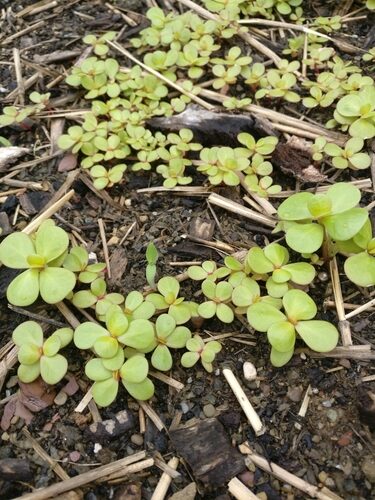
iNaturalist· cc-by-nc
(c) ak08308w, some rights reserved (CC BY-NC)
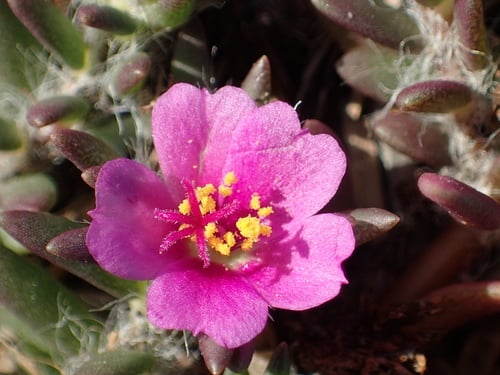
iNaturalist· cc-by-nc
(c) Ilma Apriliani, some rights reserved (CC BY-NC), uploaded by Ilma Apriliani
Summary
Source: WikipediaPortulaca umbraticola, also known as the wingpod purslane, is an annual or short-lived perennial succulent in the genus of flowering plants Portulaca.
Description
A herb. It grows each year from seeds. The seeds are sword shaped. They are 203 cm long by 1.6 cm wide. It has wings around the rim of the capsule.
Edible Uses
The leaves are cooked and eaten.
Traditional Uses
The leaves are cooked and eaten.
This uses section is brief — help expand it
Distribution
It is a tropical plant. It has been recorded at 800 m above sea level in Mexico.
Where It Grows
Argentina, Brazil, Dominican Republic, Mexico, Paraguay, North America, South America, Tuvalu, West Indies,
Cultivation
Plants grow from seed.
Other Information
The leaves are enjoyed.
Dangerous Lookalikes
This plant can be confused with the following toxic species. Always verify identification carefully before consuming any wild plant.
Spotted Spurge
Euphorbia maculata
Hardyplants at English Wikipedia
Wingpod purslane
Portulaca umbraticola
no rights reserved, uploaded by 葉子
Spotted Spurge: Milky white latex sap when broken, thinner leaves often with dark spot, prostrate growth, tiny flowers.
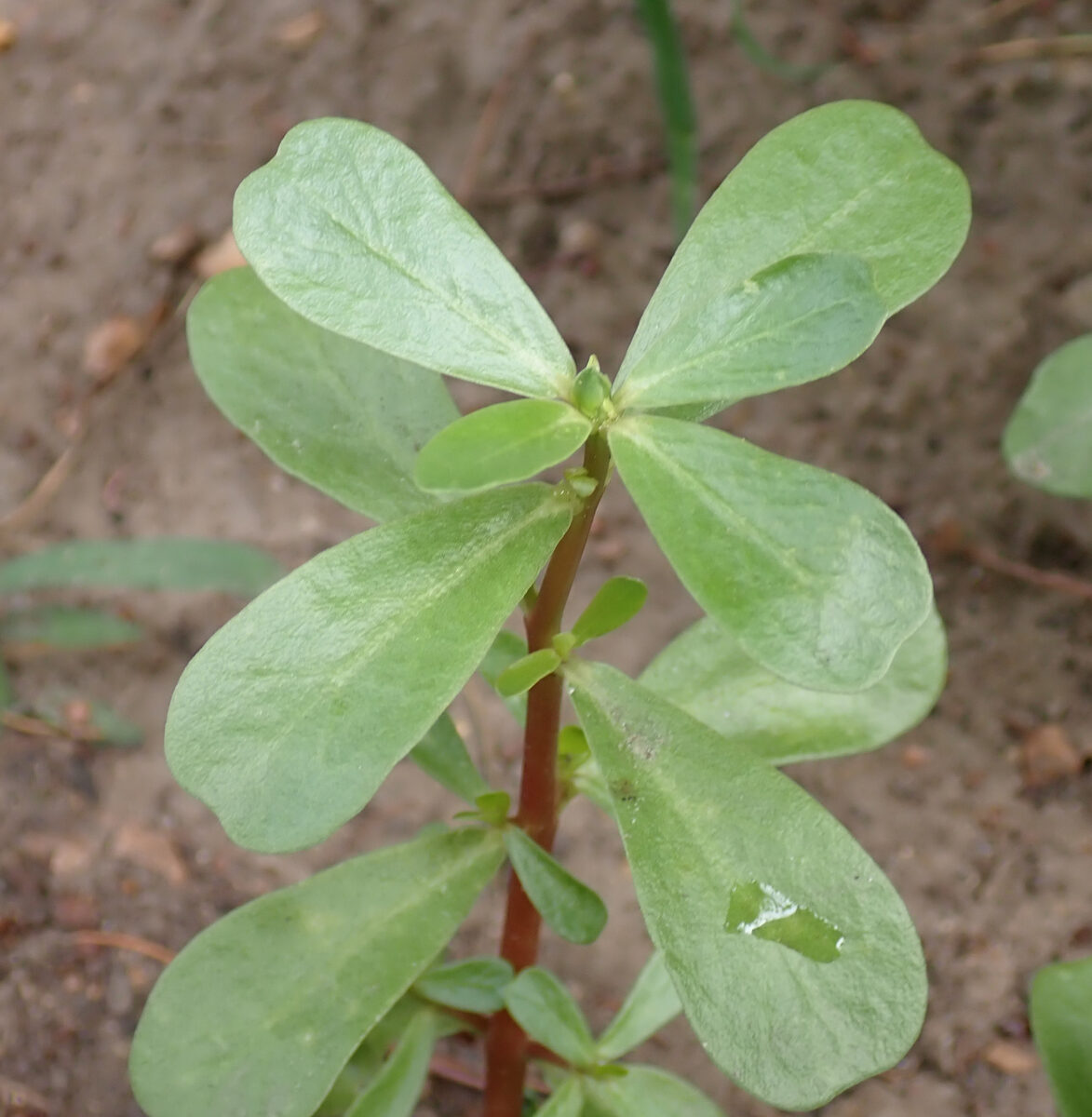
Wingpod purslane: Clear sap, thick succulent leaves, reddish smooth stems, yellow flowers.
Synonyms
Also Known As
Flor de un dia, Guaro, Major-gomes, Verdolaga
References (4)
- Malezas Comestibles del Cono Sur, INTA, 2009, Buernos Aires
- Martin, P. S. et al, (Eds.), 1998, Gentry's Rio Mayo Plants. The Tropical Deciduous Forest & Environs of Northwest Mexico. University of Arizona Press. p 418
- Scarpa, G. F., 2009, Wild food plants used by the indigenous peoples of South American Gran Chaco: A general synopsis and intercultural comparison. Journal of Applied Botany and Food Quality 83:90-101
- Thaman, R. R, 2016, The flora of Tuvalu. Atoll Research Bulletin No. 611. Smithsonian Institute p 108