Clinopodium nepeta subsp. glandulosum
(Req.) Govaerts
iNaturalist· cc-by-nc
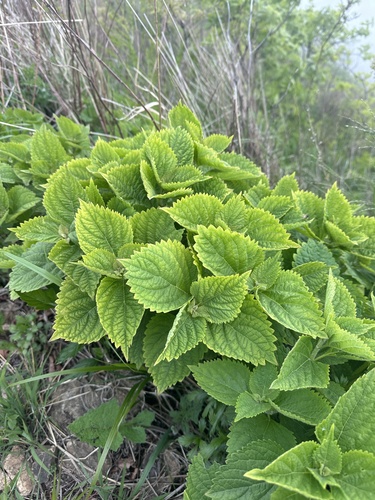
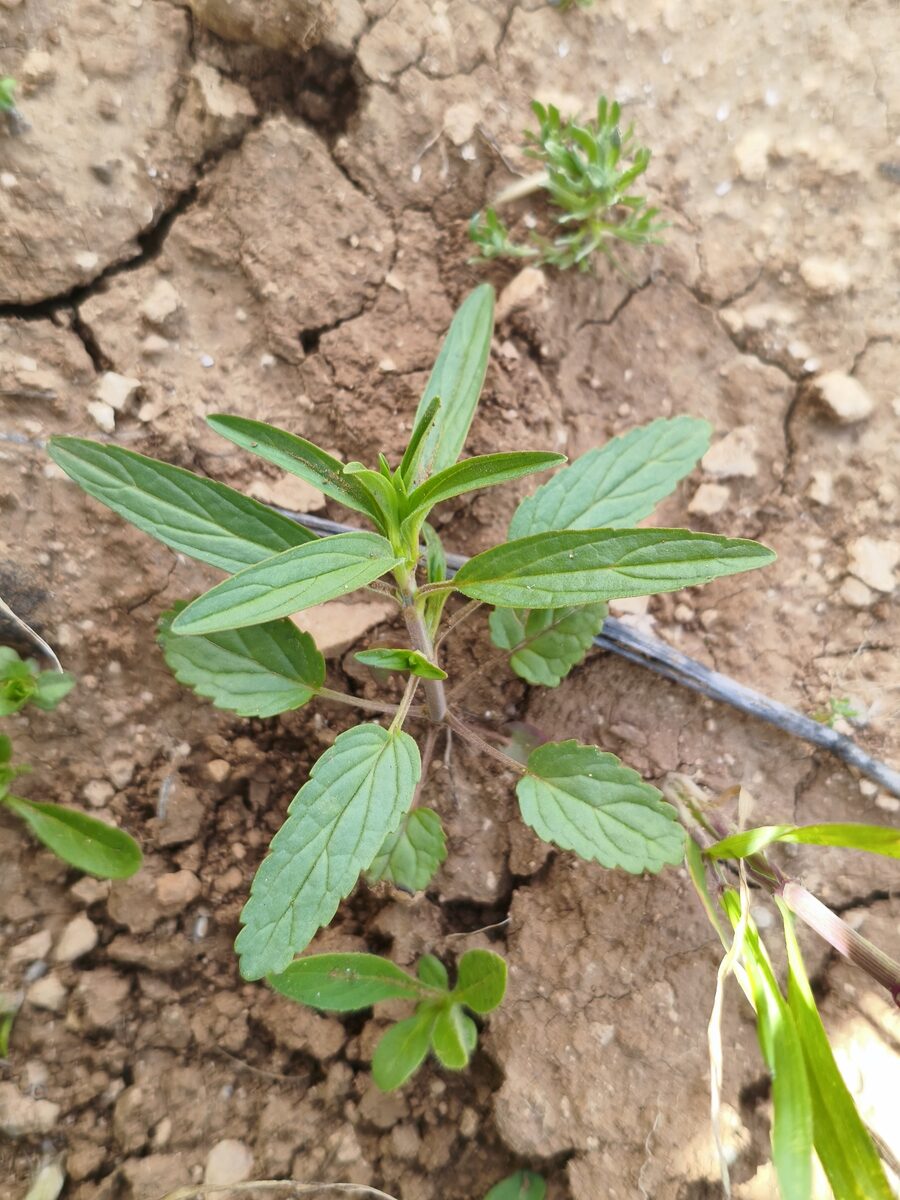
(c) Norbert Sauberer, some rights reserved (CC BY-NC), uploaded by Norbert Sauberer
iNaturalist· cc-by-nc
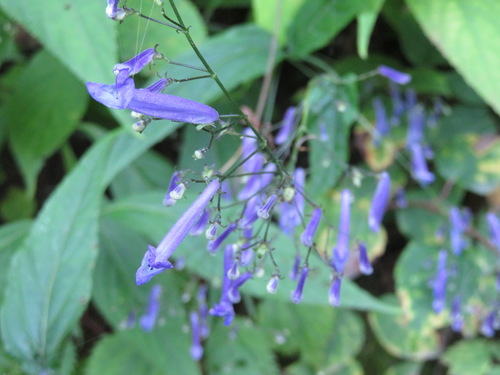
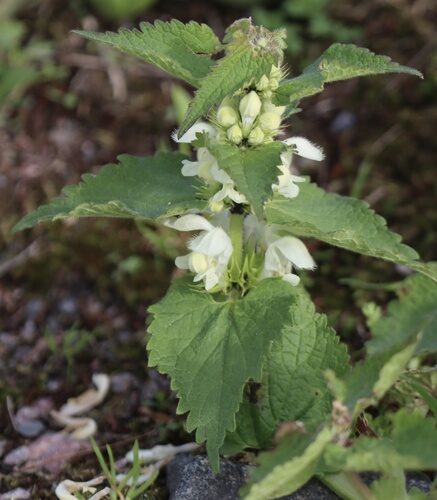
(c) Luis Jordão, some rights reserved (CC BY-NC), uploaded by Luis Jordão
iNaturalist· cc-by-nc
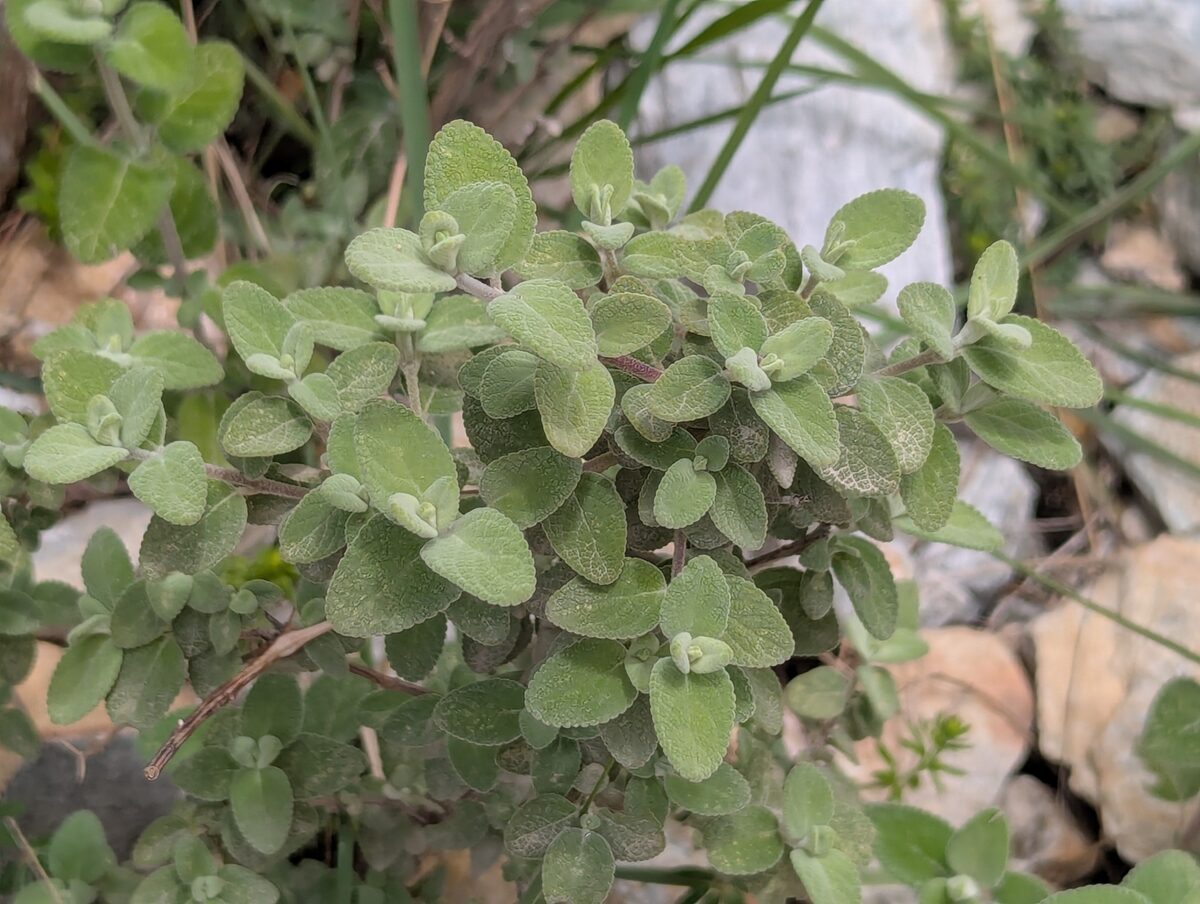
(c) Sergey Eliseev, some rights reserved (CC BY-NC), uploaded by Sergey Eliseev
Summary
Source: WikipediaClinopodium nepeta (synonym: Calamintha nepeta), known as lesser calamint, is a perennial herb of the mint family known for having fragrant, grey-green, oregano-like leaves with a pennyroyal smell. It is also called niepita, and mentuccia romana. This plant commonly grows across the Mediterranean, North Africa and parts of Central Asia and has traditionally been used as a folk medicine and culinary herb. A recent study also found cultivars of lesser catmint that had the same compounds in catnip that cause the euphoric effect in cats, known as nepetalactone.
Description
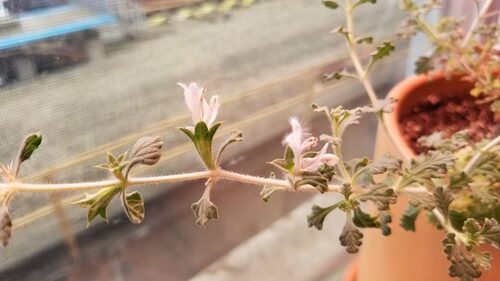
A herb. The stems are stiff and slightly downy. The leaves are 2 cm long and grey-green. The flower stalks branch 2 or 3 times and have 2-3 flowers. The flowers are lilac coloured.
Edible Uses
The flowering above-ground parts are used as flavoring for meat dishes and stews. The leaves can be brewed into tea.
Traditional Uses
The flowering above ground parts are used as flavouring for meat dishes and stews.
This uses section is brief — help expand it
Medicinal Uses
Lesser calamint is commonly used as a herb in the Italian and Corsican cuisine, where it is called nepita, mentuccia, nipitella or nepitella. In Rome it is used in the preparation of the Carciofi alla Romana. In southern Italy it is used in the making of a goat cheese called cassiedu, giving the cheese a minty taste. Some sources state that Nepeta nepetella can be used in cooking like the lesser calamint. C. nepeta has a long history of use as a herbal medicine as a tea for cramps and the digestive tract. Additionally hydrodistilled essential oil made from C. nepeta has been used to alleviate insomnia, headache and respiratory illness Research has found that extracts of C. nepeta, such as essential oils, have antifungal, insecticidal and insect-repellent properties. Moreover it has recently been discovered that some cultivars of C. nepeta contain nepetalactone, the compound in true catnip famous for the euphoric effect it has on cats. This may also contribute to insect-repellent properties of extracts made from C. nepeta plants.
Distribution
It is a temperate plant. It grows in dry ground.
Where It Grows
Britain, Europe, Spain,
Synonyms
Also Known As
Menta borda, Rementerola
References (2)
- Bonet, M. A. & Valles, J., 2002, Use of non-crop food vascular plants in Montseny biosphere reserve (Catalonia, Iberian Peninsula). International Journal of Food Sciences and Nutrition (2002) 53, 225–248 (As Clinopodium calamintha)
- Irving, M., 2009, The Forager Handbook, A Guide to the Edible Plants of Britain. Ebury Press p 210 (As Clinopodium calamintha)