Isodon japonicus
(Burm.f.) H. Hara
iNaturalist· cc-by
(c) Tatyana Petrenko, some rights reserved (CC BY)
iNaturalist· cc-by
(c) Nina Filippova, some rights reserved (CC BY)
iNaturalist· cc-by
(c) Nina Filippova, some rights reserved (CC BY)
Summary
Herbaceous perennial reaching 1 m tall. Hermaphroditic. Adapts to light sandy, medium loamy, and heavy clay soils across mildly acid to mildly alkaline pH. Tolerates semi-shade to full sun. Prefers consistently moist soil.
Description
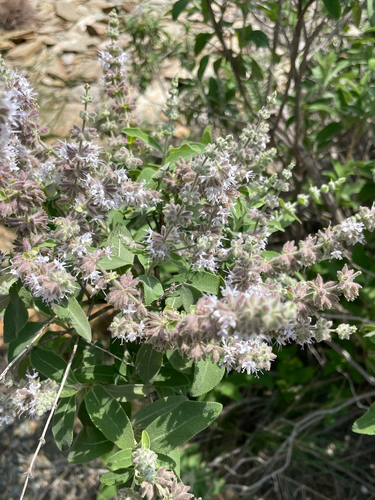
A herb. It keeps growing from year to year. The stems are erect and 40-150 cm tall. The base is woody. The tips are branched and hairy. The leaves are broadly oval and 7-13 cm long by 3-7 cm wide. The flowers are in loose panicles at the end of the plant.
Edible Uses
Young leaves are eaten cooked.
Traditional Uses
The young leaves are fried and eaten.
This uses section is brief — help expand it
Medicinal Uses
The plant is used medicinally in the treatment of stomach cancer.
Distribution
It is a temperate plant. It grows in grasslands, forests and valleys from sea level to 2,100 m above sea level. In Sichuan.
Where It Grows
Asia, China, Japan, Korea, Russia,
Propagation
No specific information is available for this species, but sowing seed in a cold frame in spring is suggested. Only just cover the seed. Prick seedlings into individual pots when large enough to handle and grow on in the cold frame through their first winter, then plant out into permanent positions in spring. Division in spring may also be possible.
Other Uses
No other uses are known for this plant.
Synonyms
Also Known As
Bangapul
References (2)
- Hwang, HS, et al, 2014, Distribution characteristics of plant in the Ungseokbong Mountain, Gyeongsangnam-do, Korea. Journal of Asia-Pacific Biodiversity. 7(2014) e164-e178
- Song, M., et al, 2013, Traditional knowledge of wild edible plants in Jeju Island, Korea. Indian Journal of Traditional Knowledge. 12(2) pp 177-194
More from Lamiaceae
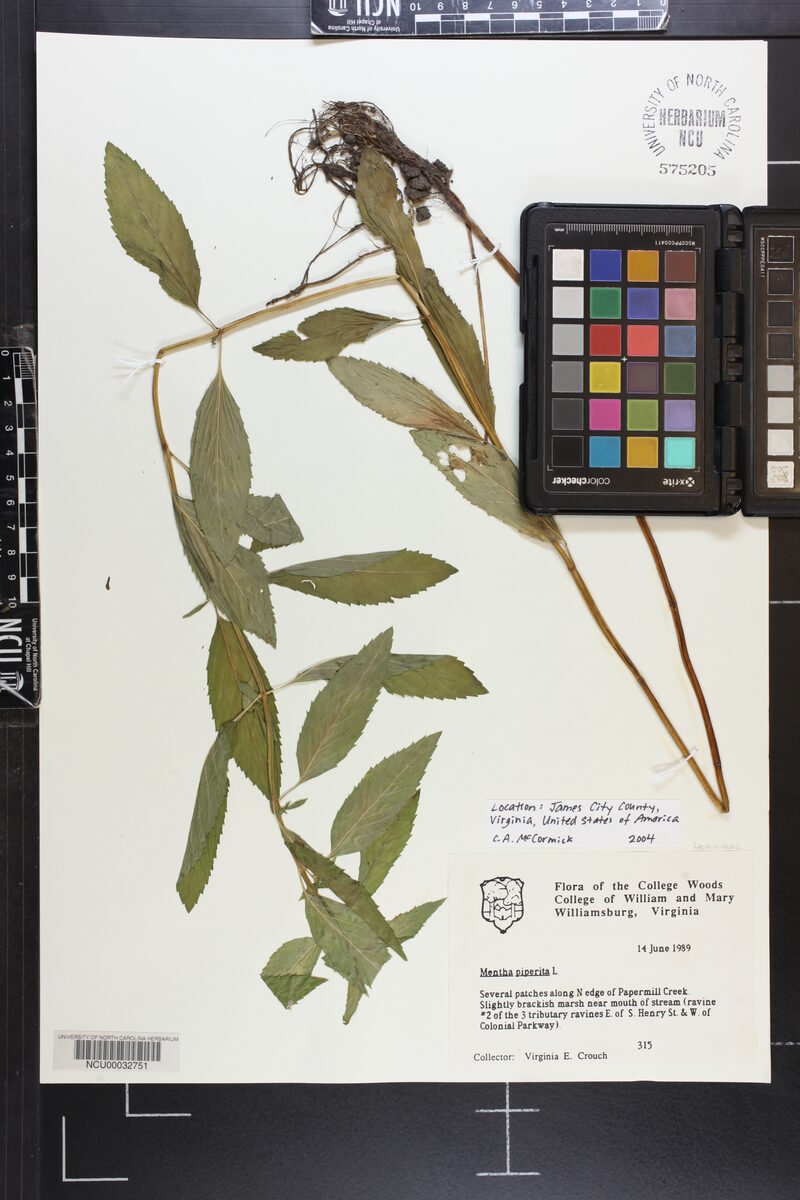
Mentha x piperita citrata - (Ehrh.)Briq.
Eau De Cologne Mint, Eau de Cologne Mint, Peppermint
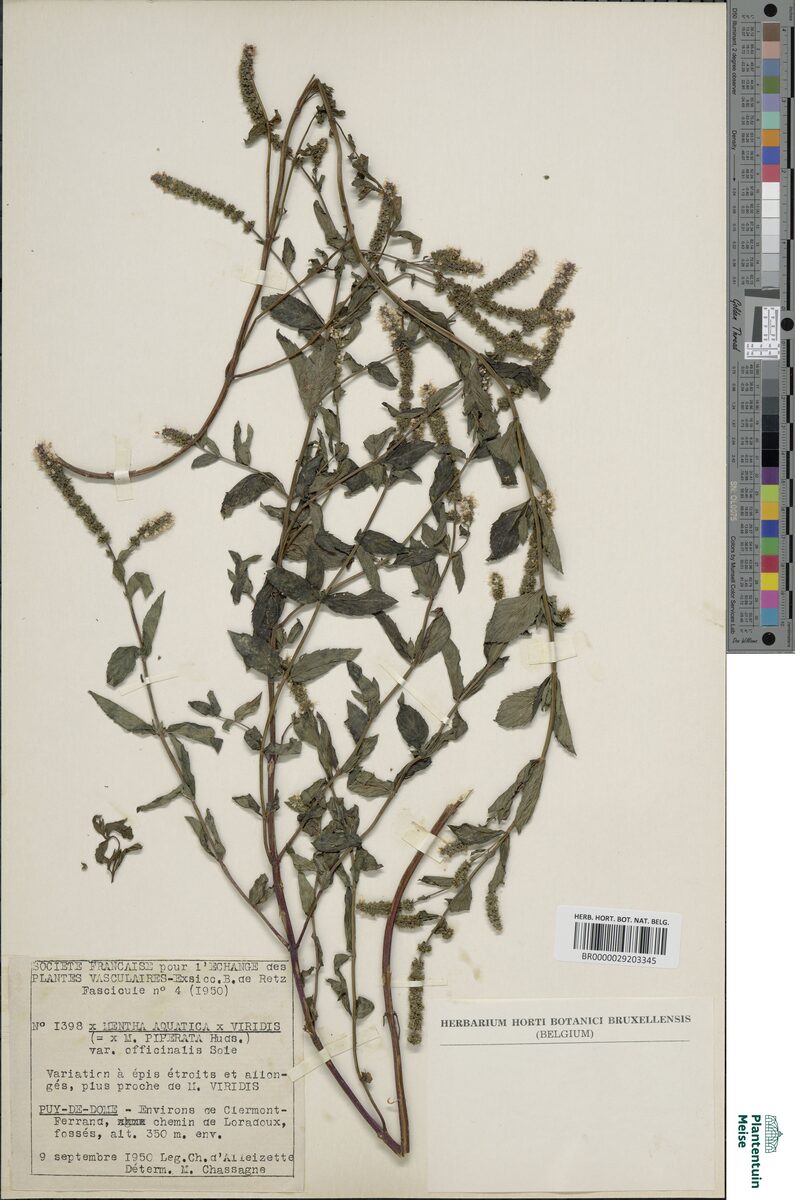
Mentha x piperita officinalis
White Peppermint
Mentha x piperita vulgaris
Black Peppermint
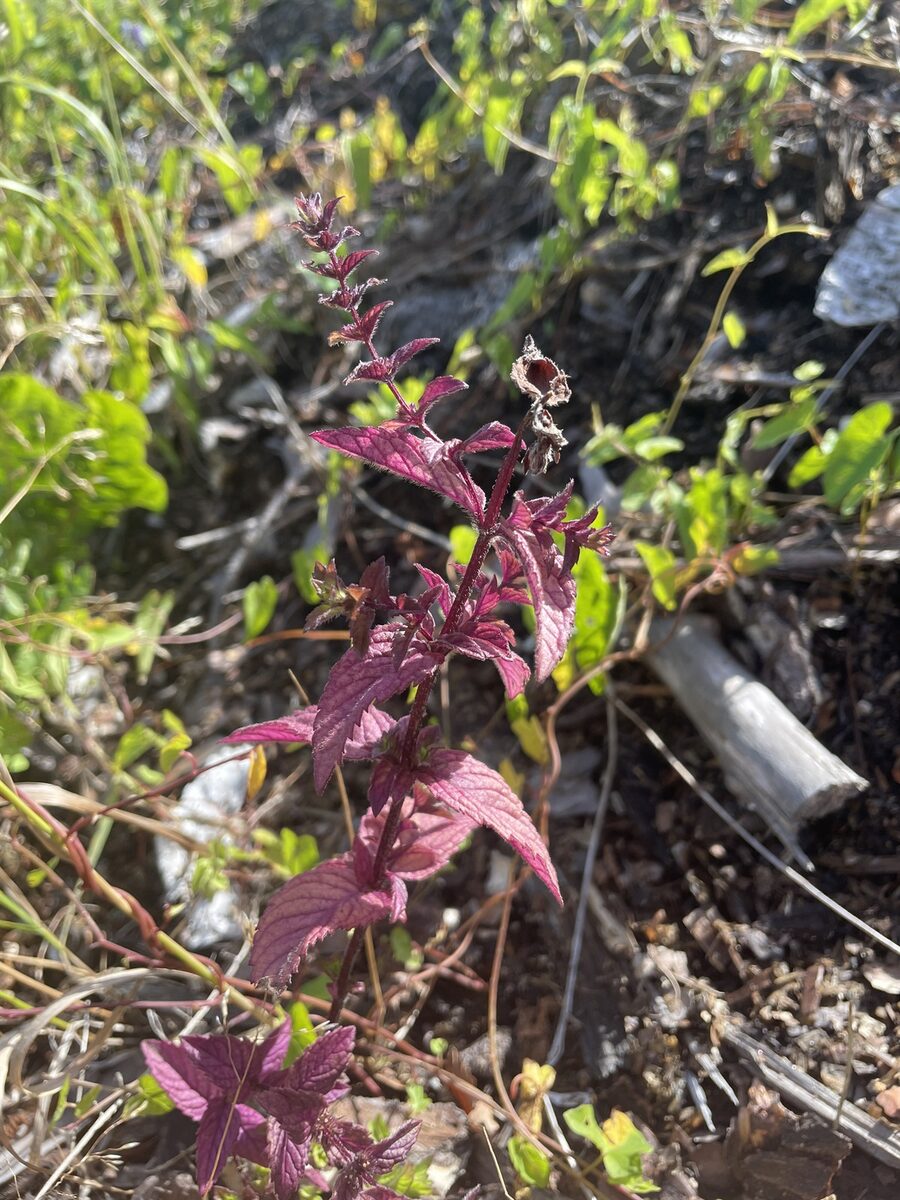
Mentha x smithiana
Red Raripila Mint
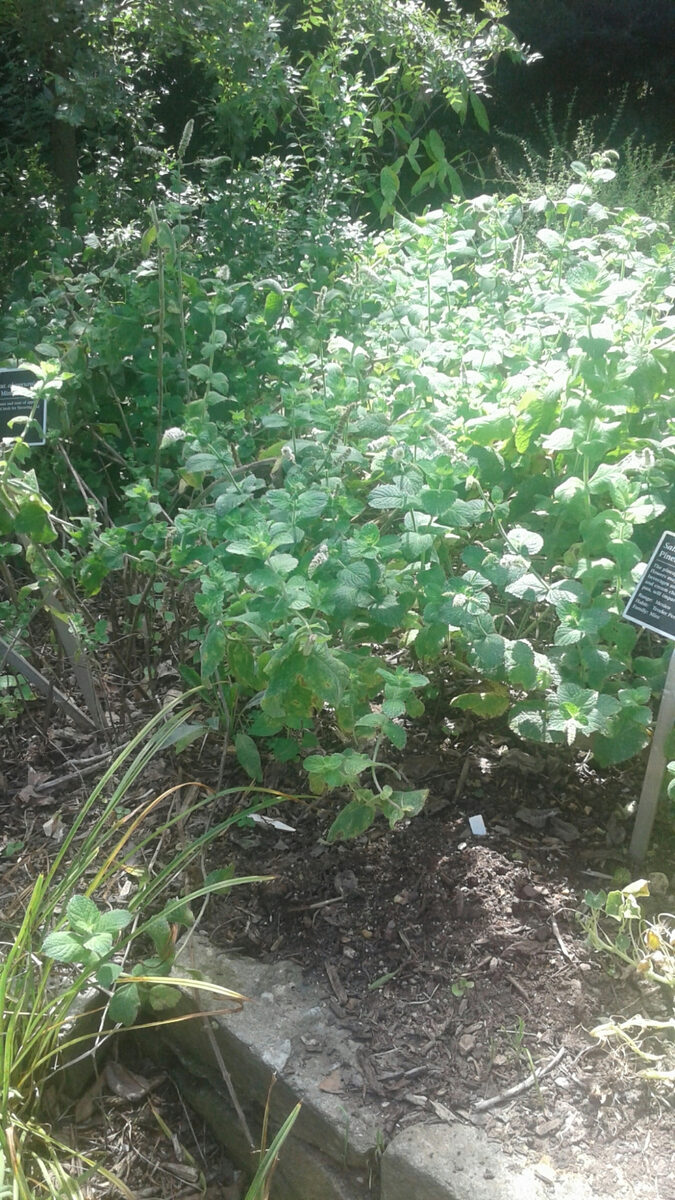
Mentha x villosa alopecuroides - (Hull.)Briq.
Apple Mint, Bowles' Mint
Meriandra dianthera
Bengal sage