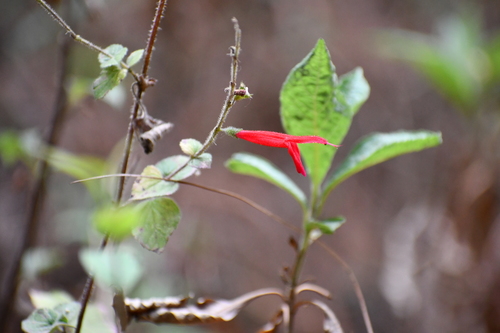
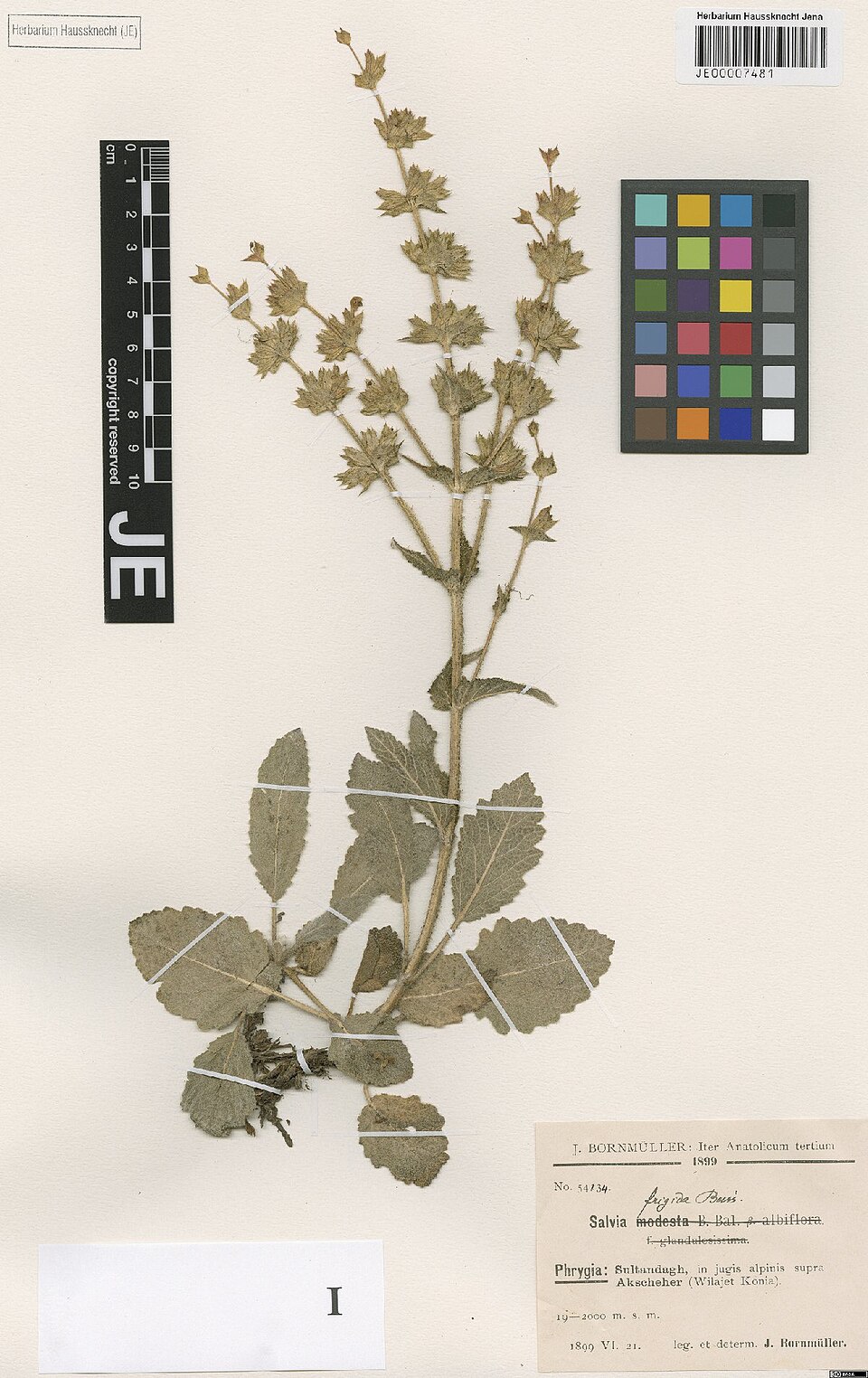
Lagochilus inebrians
Bunge.
Intoxicating Mint
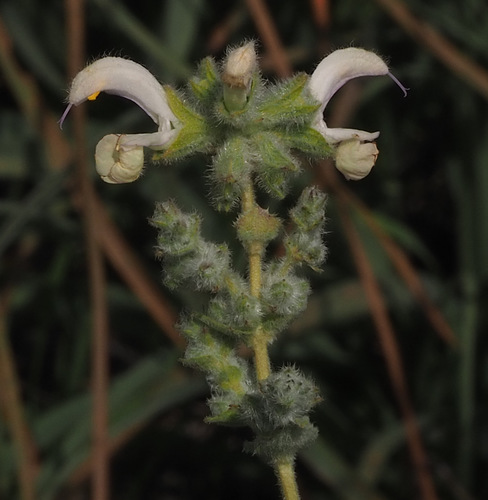
iNaturalist· cc-by-nc
(c) casey, some rights reserved (CC BY-NC), uploaded by casey
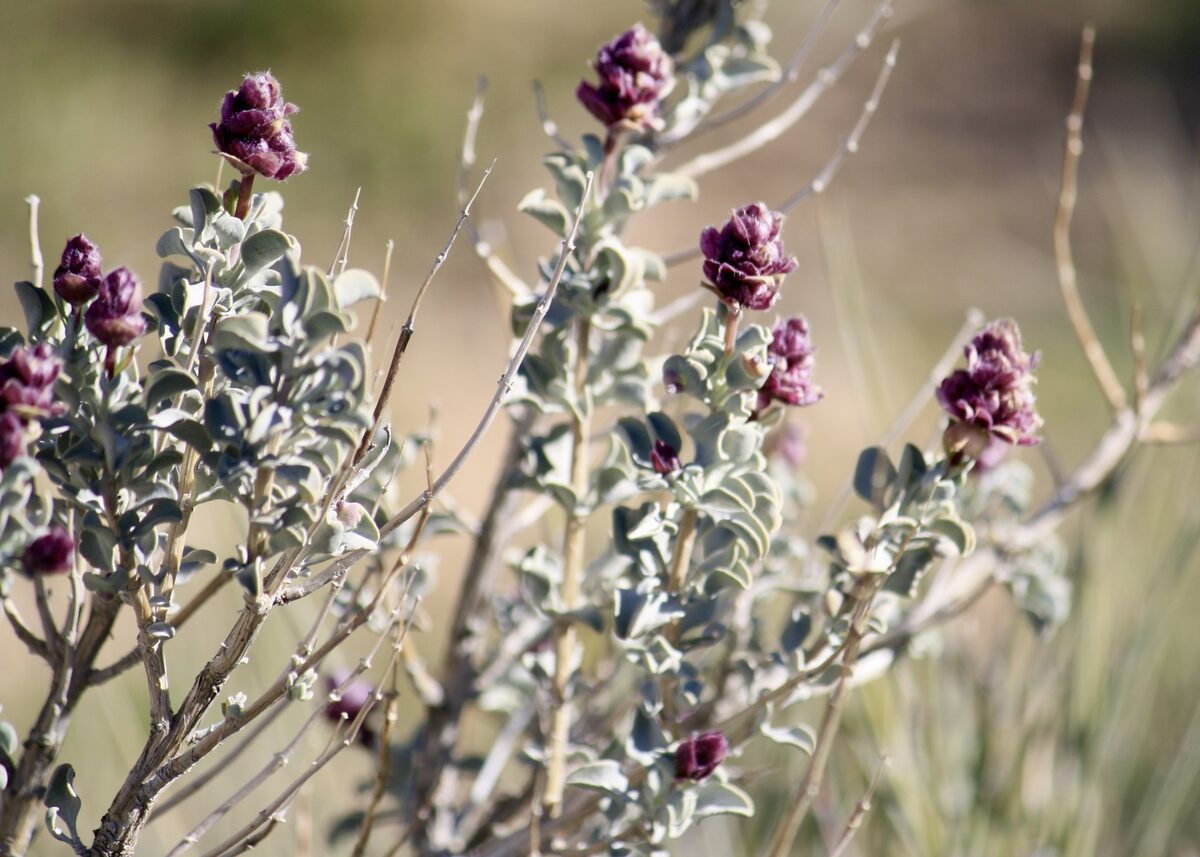
iNaturalist· cc-by-nc
(c) casey, some rights reserved (CC BY-NC), uploaded by casey
Description
Lagochilus inebrians is a deciduous Shrub growing to 1 m (3ft 3in). The species is hermaphrodite (has both male and female organs). Suitable for: light (sandy) and medium (loamy) soils and prefers well-drained soil. Suitable pH: mildly acid, neutral and basic (mildly alkaline) soils. It cannot grow in the shade. It prefers dry or moist soil and can tolerate drought.
Edible Uses
A bitter-tasting tea is made from the dried branches, it is usually sweetened with sugar before being drunk. See also the notes on medicinal uses below.
Medicinal Uses
Antispasmodic Haemostatic Hallucinogenic Hypotensive Sedative. The branches are antispasmodic, haemostatic, hallucinogenic, hypotensive and sedative. An infusion is also used internally in the treatment of allergies and the shrub has also been used to treat skin disorders. The branches are harvested in the autumn after flowering and are dried for later use. They become more fragrant and medicinally active once they have been dried.
Distribution
Europe to C. Asia.
Where It Grows
TEMPERATE ASIA: Tajikistan
Cultivation
We have very little information on this species and do not know if it will be hardy in Britain, though it experiences very cold winters in its native range and so should be completely cold-hardy in this country. The main problem it is likely to face is with our cool damp weather. It comes from a sunny and fairly arid region of the world with a continental climate and so it is likely to require a very sunny position in a well-drained dry soil.
Propagation
Seed - We have no information on this species but suggest sowing the seed in a greenhouse in the spring. Prick out the seedlings when they are large enough to handle and grow them on in the greenhouse for at least their first winter. Plant them out in late spring or early summer and consider giving them some protection from winter rain.