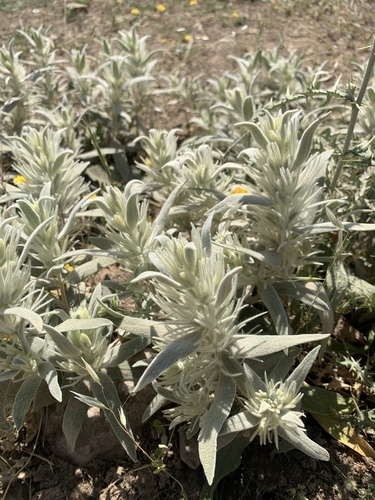
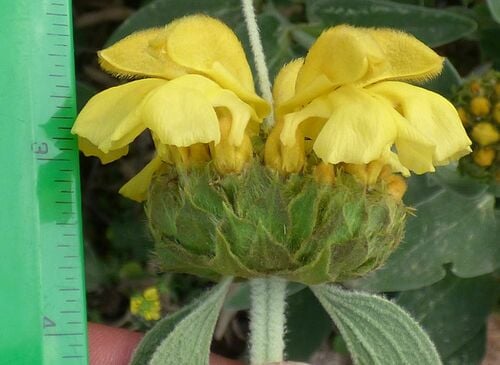
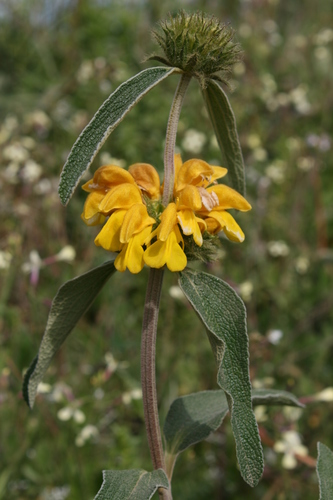
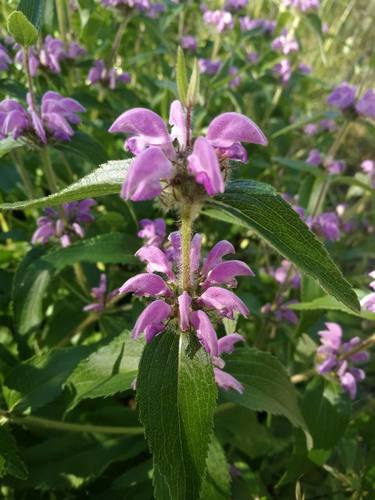
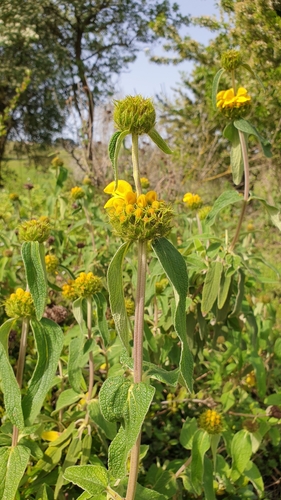
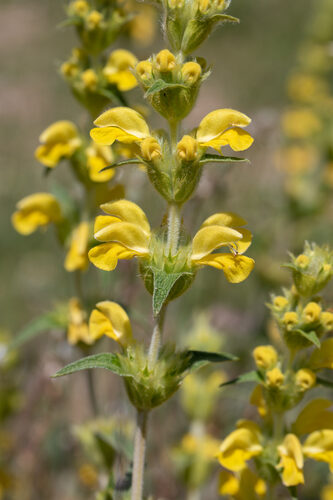
Lallemantia iberica - (Bieb.)Fisch.&C.A.Mey.
(Bieb.)Fisch.&C.A.Mey.
gbif· cc-by-nc
yontn rons
gbif· cc-by-nc
yontn rons
gbif· cc-by-nc
yontn rons
Description
Lallemantia iberica is a ANNUAL/BIENNIAL growing to 0.5 m (1ft 8in). See above for USDA hardiness. It is hardy to UK zone 7. It is in flower from July to August, and the seeds ripen from August to September. The species is hermaphrodite (has both male and female organs) and is pollinated by Bees. It is noted for attracting wildlife. Suitable for: light (sandy) and medium (loamy) soils and prefers well-drained soil. Suitable pH: mildly acid, neutral and basic (mildly alkaline) soils. It cannot grow in the shade. It prefers moist soil.
Edible Uses
Oil. Leaves - cooked and used as a potherb[46, 61, 105, 177, 183]. Seed - raw or cooked. It is rich in oil. An edible oil is obtained from the seed.
Distribution
W. Asia. Naturalized in C. and E. Europe.
Where It Grows
TEMPERATE ASIA: Iran, Iraq (north), Israel, Jordan, Lebanon, Syria, Turkey, Russian Federation-Ciscaucasia (Ciscaucasia), Armenia, Azerbaijan, Turkmenistan
Cultivation
Requires a light well-drained soil in a sunny position. Prefers a cool situation. Often grown in the ornamental garden. The flowers are very attractive to bees.
Propagation
Seed - sow April in situ. Very fast germination.
Other Uses
Oil Oil. The seed contains up to 30% of a drying oil. It is used for lighting, as a varnish, in paints and as a lubricant. It is a linseed substitute. Linseed oil has a very wide range of applications including use as a wood preservative, an ingredient of oil-based paints, furniture polishes, printer's inks, soap making etc. It is also used in the manufacture of linoleum.