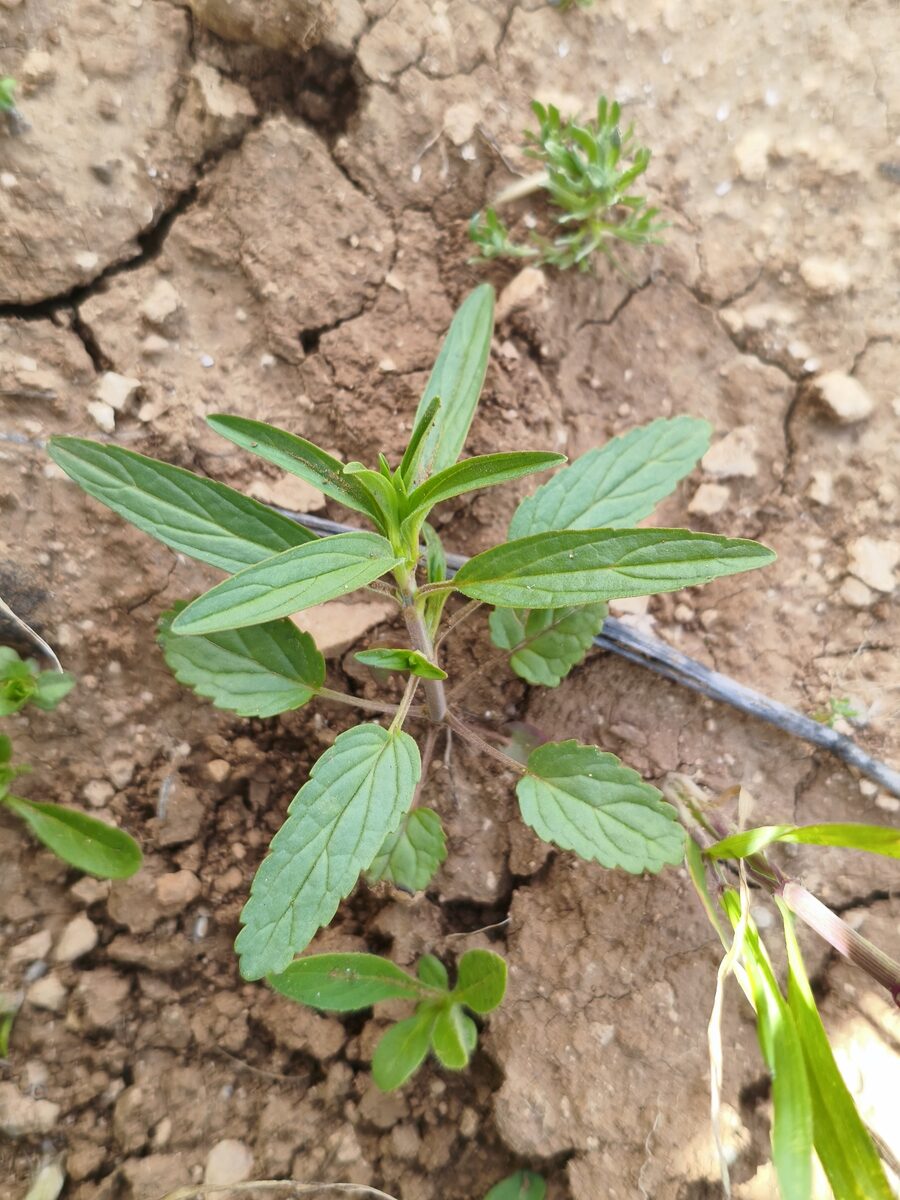
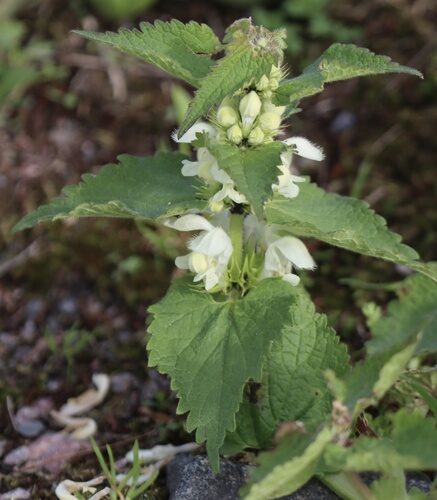
Isodon longitubus
(Miq.) Kudo
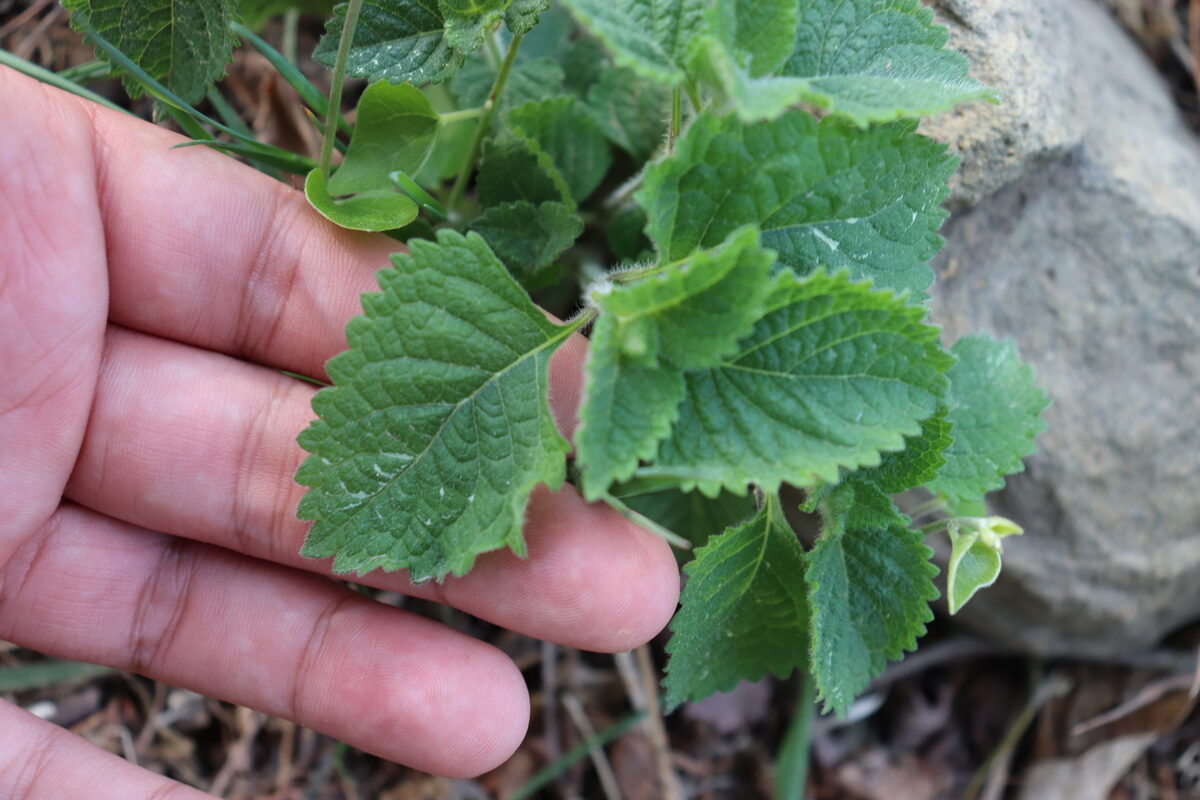
iNaturalist· cc-by
(c) belvedere04, some rights reserved (CC BY), uploaded by belvedere04
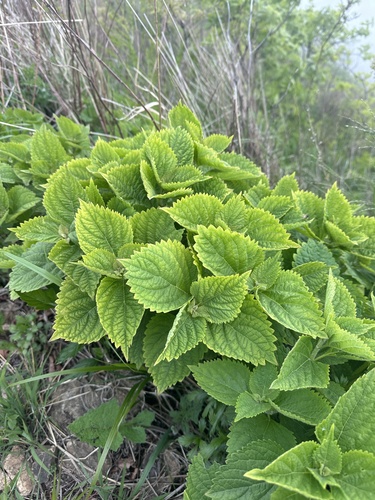
iNaturalist· cc-by-nc
(c) Keita Watanabe, some rights reserved (CC BY-NC)
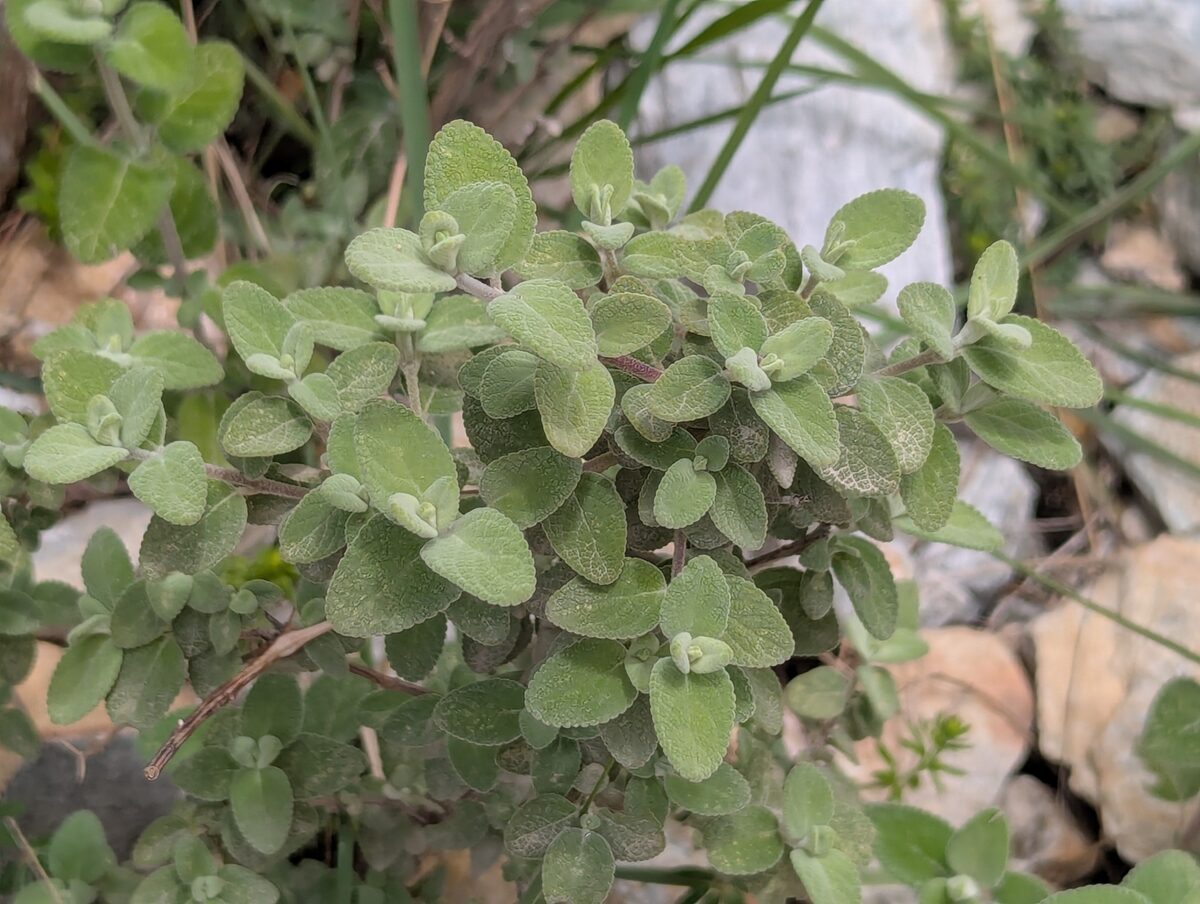
iNaturalist· cc-by-nc
(c) hakkahamushi, some rights reserved (CC BY-NC)
Summary
A perennial herb reaching 1 m tall with hermaphrodite flowers. Tolerates light sandy, medium loamy, and heavy clay soils across a range of pH levels from mildly acidic to basic. Grows well in semi-shade or full sun and prefers consistently moist conditions.
Description
A herb. It keeps growing from year to year. It grows 1 m tall. The stems are purplish and hairy. The leaves are narrowly oval and 4-12 cm long by 2-4 cm wide. The flowers are purple to blue.
Edible Uses
The leaves are eaten cooked. They are considered a famine food, used only when other options have been exhausted.
Traditional Uses
The leaves are eaten with oil and salt.
This uses section is brief — help expand it
Medicinal Uses
No medicinal uses are known for this plant.
Distribution
It is a temperate plant. It grows near streams in forests between 500-1,100 m above sea level.
Where It Grows
Asia, China, Japan, Korea,
Propagation
No specific information is available for this species, but sowing seed in a cold frame in spring is suggested. Only just cover the seed. Prick seedlings into individual pots when large enough to handle and grow on in the cold frame through their first winter, then plant out into permanent positions in spring. Division in spring may also be possible.
Other Uses
No other uses are known for this plant.
Notes
There are about 250 Plectranthus species. They are mainly in the tropics.
Synonyms
References (2)
- Plants for a Future database, The Field, Penpol, Lostwithiel, Cornwall, PL22 0NG, UK. http://www.scs.leeds.ac.uk/pfaf/ (As Plectranthus longitubus)
- READ, (As Plectranthus longitubus)