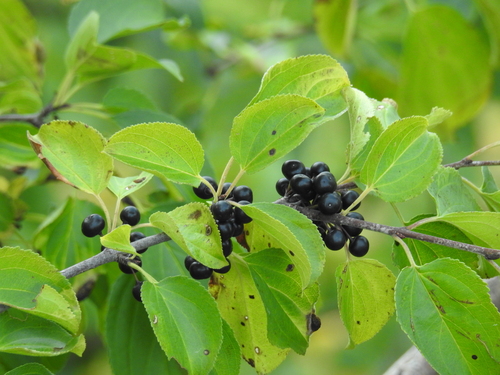
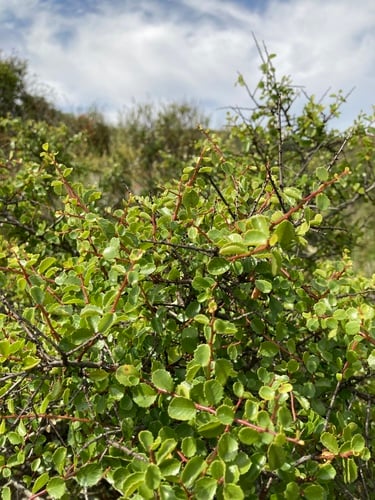
Ziziphus jujuba var. inermis
(Bunge) Rehder
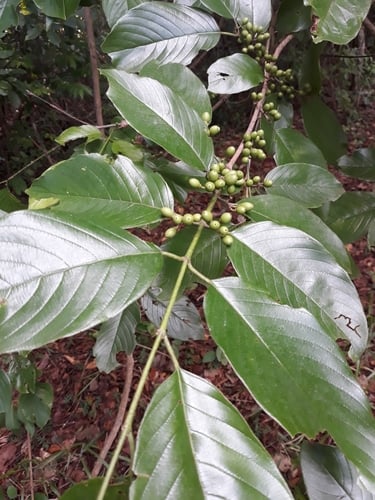
iNaturalist· cc-by-nc
(c) oreste83, some rights reserved (CC BY-NC)
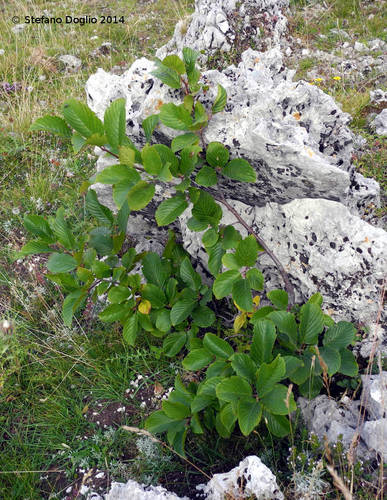
iNaturalist· cc-by-nc-nd
(c) Chief RedEarth, some rights reserved (CC BY-NC-ND), uploaded by Chief RedEarth
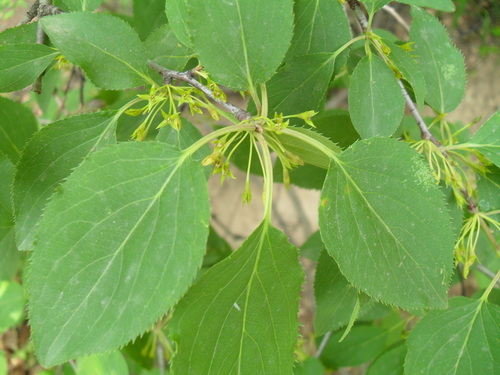
iNaturalist· cc-by-nc
(c) Mohammad Marafi, some rights reserved (CC BY-NC), uploaded by Mohammad Marafi
Description
A subtropical tree in the Rhamnaceae family with unarmed branches, native to Sichuan and Yunnan.
This description is brief — help expand it
Edible Uses
Freshly harvested and candied dried fruit are often eaten as a snack or with coffee. Smoked jujubes are consumed in Vietnam and are referred to as black jujubes. A drink can be made by crushing the pulp in water. Both China and Korea produce a sweetened tea syrup containing jujube fruit in glass jars, and canned jujube tea or jujube tea in the form of teabags. To a lesser extent, jujube fruit is made into juice and jujube vinegar (called 枣醋 or 紅枣醋 in Chinese). They are used for making pickles (কুলের আচার) in west Bengal and Bangladesh. In Assam it is known as "Bogori" and the pickle, Bogori aachar (বগৰি আচাৰ), is famous. In China, a wine made from jujube fruit is called hong zao jiu (紅枣酒). Sometimes pieces of jujube fruit are preserved by storing them in a jar filled with baijiu (Chinese liquor), which allows them to be kept fresh for a long time, especially through the winter. Such jujubes are called zui zao (醉枣; literally "drunk jujube"). The fruit is also a significant ingredient in a wide variety of Chinese delicacies (e.g. 甑糕 jing gao, a steamed rice cake). In Vietnam and Taiwan, fully mature, nearly ripe fruit is harvested and sold on the local markets and also exported to Southeast Asian countries. The dried fruit is used in desserts in China and Vietnam, such as ching bo leung, a cold beverage that includes the dried jujube, longan, fresh seaweed, barley, and lotus seeds. In Korea, jujubes are called daechu (대추) and are used in daechucha, yakshik and samgyetang. On his visit to Medina, the 19th-century English explorer, Sir Richard Burton, observed that the local varieties of the fruit were widely eaten. He describes its taste as like "a bad plum, an unripe cherry, and an insipid apple". He gives the local names for three varieties as "Hindi (Indian), Baladi (native), Tamri (date-like)." A hundred years ago, a close variety was common in the Jordan valley and around Jerusalem. The bedouin valued the fruit, calling it nabk. It could be dried and kept for winter or made into a paste which was used as bread. In Persian cuisine, the dried drupes are known as annab, while in neighboring Armenia, it is commonly eaten as a snack, and is known as unab. Confusion in the common name apparently is widespread. The unab is Z. jujuba. Rather, ber is used for three other cultivated or wild species, e.g., Z. spina-christi, Z. mauritiana and Z. nummularia in parts of India and is eaten both fresh and dried. The Arabic name sidr is used for Ziziphus species other than Z. jujuba. Traditionally in India, the fruits are dried in the sun and the hard seeds removed, after which the dried flesh is pounded with tamarind, red chillies, salt, and jaggery. In some parts of the Indian state of Tamil Nadu, fresh whole ripe fruit is crushed with the above ingredients and sun-dried to make cakes called ilanthai vadai or regi vadiyalu (Telugu). It is also commonly consumed as a snack. In Northern and Northeastern India the fruit is eaten fresh with salt and chilli flakes and also preserved as candy, jam or pickle with oil and spices. In Madagascar, jujube fruit is eaten fresh or dried. People also use it to make jam. A jujube honey is produced in the Atlas Mountains of Morocco. Italy has an alcoholic syrup called brodo di giuggiole. In Croatia, especially Dalmatia, jujubes are used in marmalades, juices, and rakija (fruit brandy). In Senegal and The Gambia, jujube is called Sii dem or Ceedem, and the fruit is used as snack, and also turned into a dried paste favoured as a sweetmeat by schoolchildren. In Australia jujube beer is made. The commercial jujube candy popular in movie theaters originally contained jujube juice but now uses other flavorings. In Laoling, China, jujube juice and wine are made.
Traditional Uses
The fruit are used for drinks.
This uses section is brief — help expand it
Distribution
It is a subtropical plant. In Sichuan and Yunnan.
Where It Grows
Asia, China, Korea,
Synonyms
Also Known As
Daechunamu
References (2)
- Hwang, H., et al, 2013, A Study on the Flora of 15 Islands in the Western Sea of Jeollanamdo Province, Korea. Journal of Asia-Pacific Biodiversity Vol. 6, No. 2 281-310
- Song, M., et al, 2013, Traditional knowledge of wild edible plants in Jeju Island, Korea. Indian Journal of Traditional Knowledge. 12(2) pp 177-194