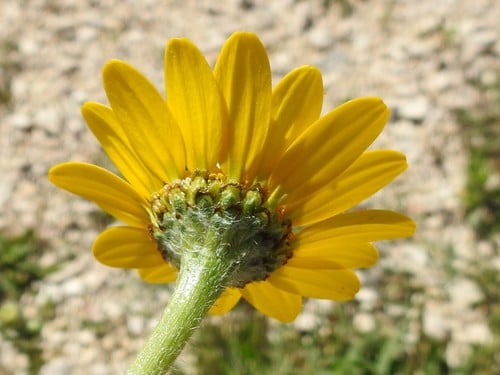
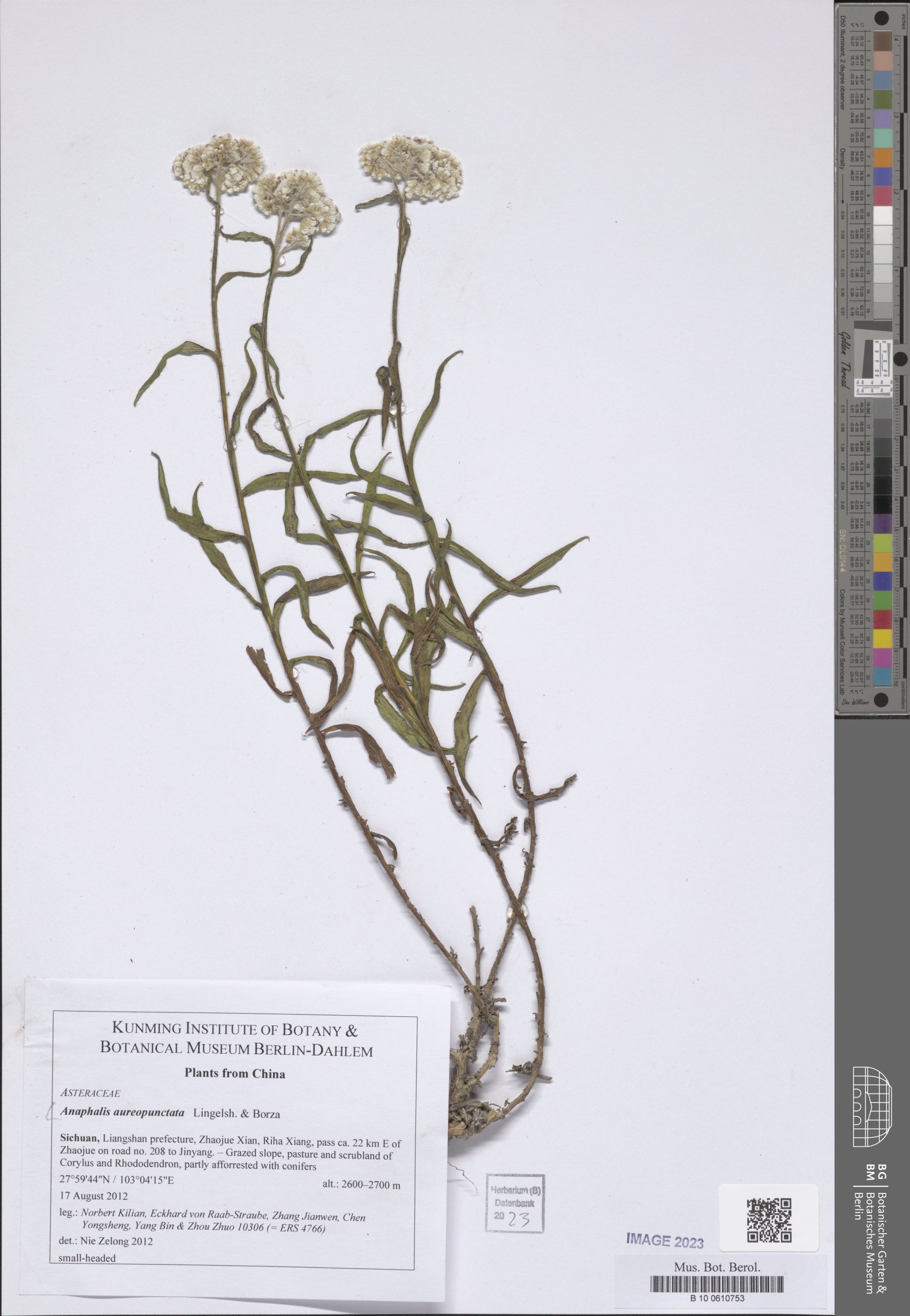
Cirsium japonicum var. maackii
(Maxim.) Matsum.
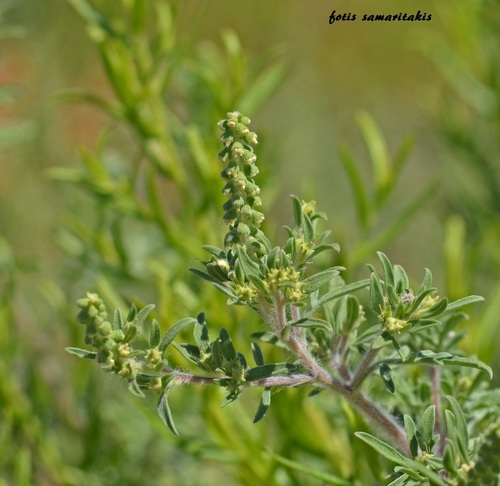
iNaturalist· cc-by-nc
(c) ssnp091, some rights reserved (CC BY-NC)
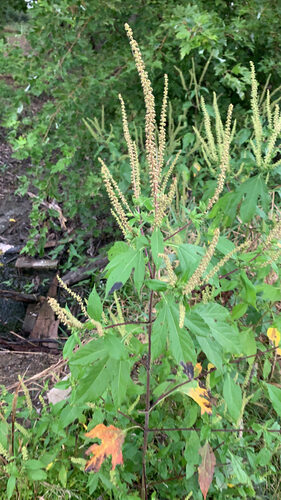
iNaturalist· cc-by-nc
(c) jsulan, some rights reserved (CC BY-NC)
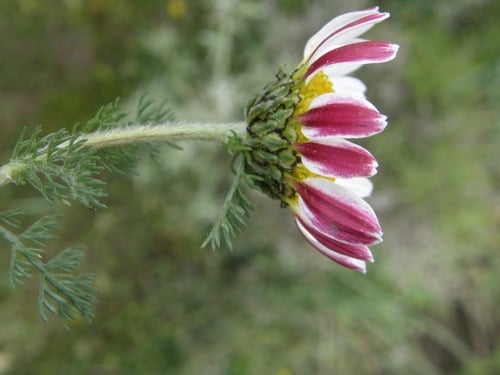
iNaturalist· cc-by-nc
(c) ssnp091, some rights reserved (CC BY-NC)
Summary
Source: WikipediaCirsium japonicum, commonly known as Japanese thistle, plumed thistle, or sea thistle, is a species of flowering plant in the sunflower family, Asteraceae. It is a perennial thistle native to eastern Asia, ranging from Japan to Korea, China, Taiwan, and Vietnam.
Description
This thistle (Asteraceae family) is a temperate herbaceous plant with edible leaves and roots.
This description is brief — help expand it
Edible Uses
Young leaves are used in soup. The roots are preserved in soy sauce and used in brewing.
Traditional Uses
The young leaves are used in soup. The roots is preserved in soy sauce and also used in brewing.
This uses section is brief — help expand it
Distribution
It is a temperate plant.
Where It Grows
Asia, Japan, Korea, Manchuria,
Synonyms
Also Known As
Eonggeongkwi
References (6)
- BARANOV (As Cirsium maackii)
- Famine foods (As Cirsium maackii)
- Hwang, H., et al, 2013, A Study on the Flora of 15 Islands in the Western Sea of Jeollanamdo Province, Korea. Journal of Asia-Pacific Biodiversity Vol. 6, No. 2 281-310
- Hwang, HS, et al, 2014, Distribution characteristics of plant in the Ungseokbong Mountain, Gyeongsangnam-do, Korea. Journal of Asia-Pacific Biodiversity. 7(2014) e164-e178
- Plants for a Future database, The Field, Penpol, Lostwithiel, Cornwall, PL22 0NG, UK. http://www.scs.leeds.ac.uk/pfaf/ (As Cirsium japonicum var. ussuriense)
Show all 6 references Hide references
- Song, M., et al, 2013, Traditional knowledge of wild edible plants in Jeju Island, Korea. Indian Journal of Traditional Knowledge. 12(2) pp 177-194