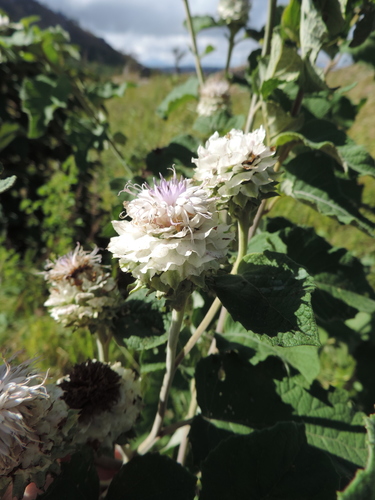
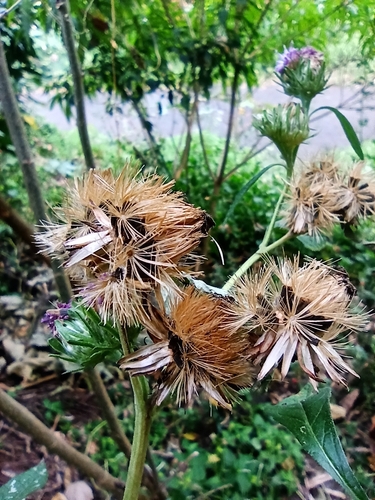
Tragopogon reticulatus
Boiss. & A. Huet
iNaturalist· cc-by-nc-sa
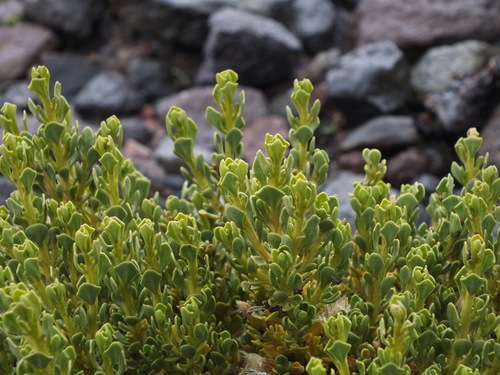
(c) Bogdan V. Kryzhatyuk, some rights reserved (CC BY-NC-SA), uploaded by Bogdan V. Kryzhatyuk
iNaturalist· cc-by-nc
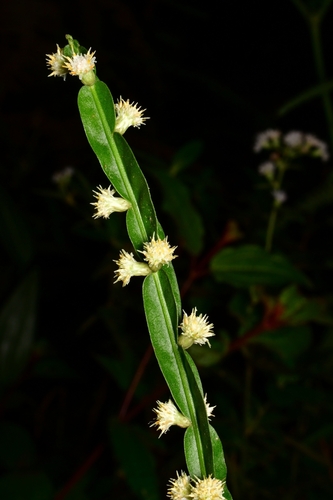
(c) ocanire, some rights reserved (CC BY-NC), uploaded by ocanire
iNaturalist· cc-by-nc
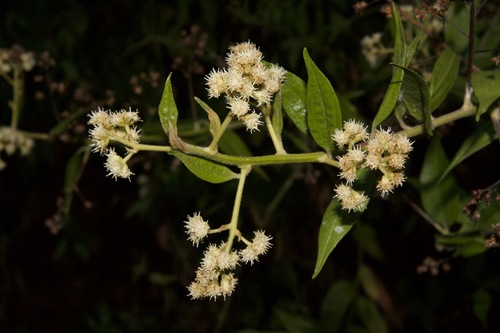
(c) Шильников Дмитрий Сергеевич, some rights reserved (CC BY-NC), uploaded by Шильников Дмитрий Сергеевич
Description
A temperate herb in the Asteraceae family, sold in local markets.
This description is brief — help expand it
Edible Uses
The leaves are eaten fresh, fried, or used in pies. The gum from the latex is chewed. Flowers and stems are also edible.
Traditional Uses
The leaves are eaten fresh and also used for pies. They are also fried. The gum from the latex is chewed.
This uses section is brief — help expand it
Distribution
It is a temperate plant.
Where It Grows
Armenia, Caucasus, Turkey, Türkiye,
Other Information
It is sold in l ocal markets.
Synonyms
Also Known As
Marsing, Qoshmoruk, Sindz
References (4)
- Cakir, E. A., 2017, Traditional knowledge of wild edible plants of Iğdır Province (East Anatolia, Turkey). Acta Soc Bot Pol. 2017;86(4):3568
- Ertug, F, Yenen Bitkiler. Resimli Türkiye Florası -I- Flora of Turkey - Ethnobotany supplement
- Nanagulyan, S., et al, 2020, Wild plants and fungi sold in the markets of Yerevan (Armenia). Journal of Ethnobiology and Ethnomedicine 16:26
- Polat, R., et al, 2017, Survey of wild food plants for human consumption in Bingol, (Turkey). Indian Journal of Traditional Knowledge. Vol. 16(3) July 2017, pp. 378-384